




Vintage Smoking Pipe
A vintage smoking pipe brings centuries of tactile craftsmanship and historical smoking culture straight to your collection, offering remarkable carved detail and period charm.
Vintage Smoking Pipe
A vintage smoking pipe encompasses a diverse array of historical smoking implements created across the nineteenth and twentieth centuries, ranging from practical everyday accessories to ornate display items. When searching for a vintage smoking pipe, buyers encounter everything from French briar and carved German wood designs to intricate Asian opium pipes and English clay examples. These objects frequently appear alongside related smoking accessories such as cabinets, stands, and humidors.
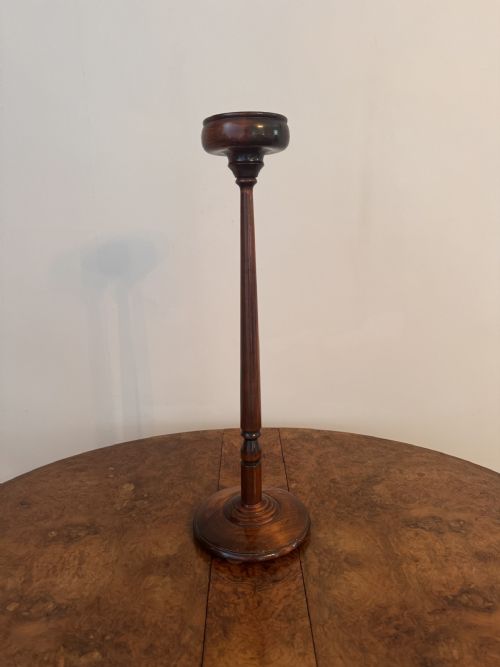
West African Congo bone pipes and Chinese carved bone opium pipes also feature within this category, demonstrating the global reach of historical smoking customs. Collectors often find these objects housed in dedicated smoker's cases or displayed upon coopered mahogany stands and brass pipe racks. This variety ensures that both casual enthusiasts and dedicated tobacciana collectors find pieces suited to their focus.
Assessing quality and craftsmanship
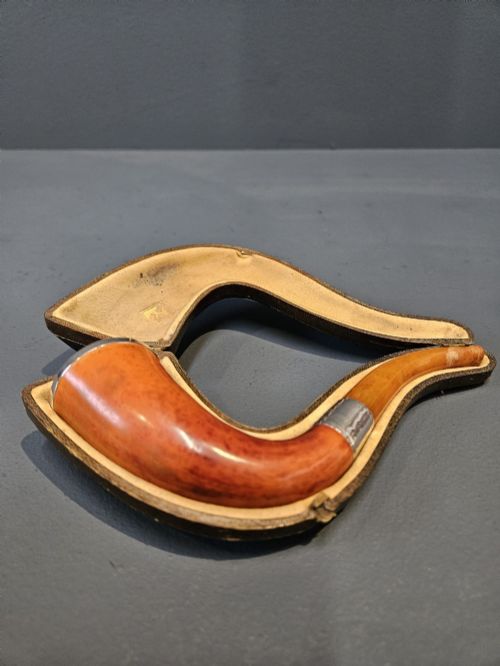
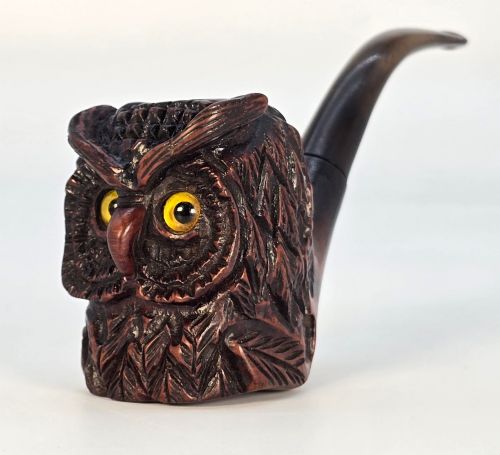
The finest examples display superior depth and precision in hand-carving, especially visible in figural Black Forest wooden pieces and detailed meerschaum bowls. Superior items often retain their original matching cases, silver mounts, or amber mouthpieces without replacement or excessive wear. The choice of material also dictates grade, with dense briar and high-grade meerschaums commanding greater attention than basic utility clays.
Design complexity and structural integrity separate standard workshop output from exceptional pieces produced by known makers or specialist regional hubs. Objects featuring integrated brass work, precious metal fittings, or unusual combined media such as bone and wood demonstrate a higher tier of manufacturing ambition. Preservation of original surface finishes and patination remains vital to the overall standing of each piece.
Vintage Smoking Pipe Retail Price Guide 2026
Typical asking prices for vintage smoking pipe among the pieces listed under this phrase on Sellingantiques today, from the lower quarter to the upper quarter. They describe what is for sale here now, not the wider market.
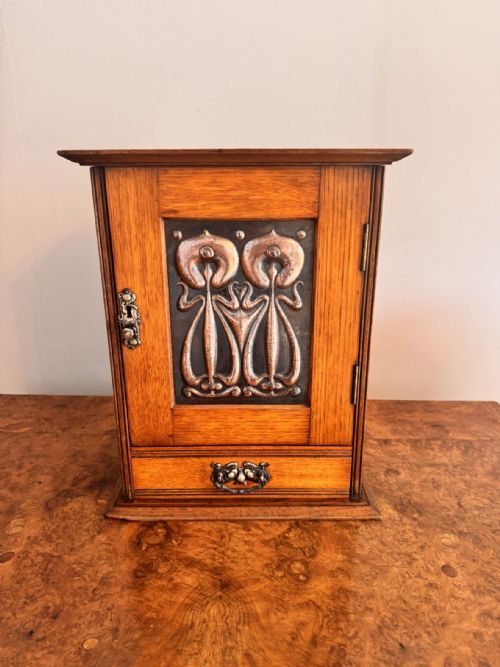
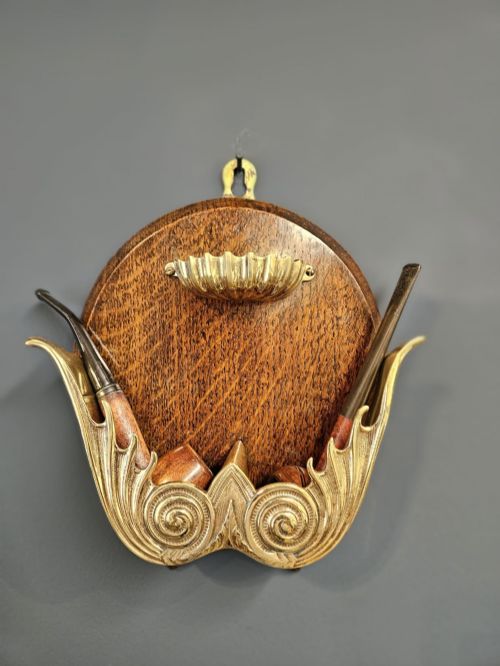
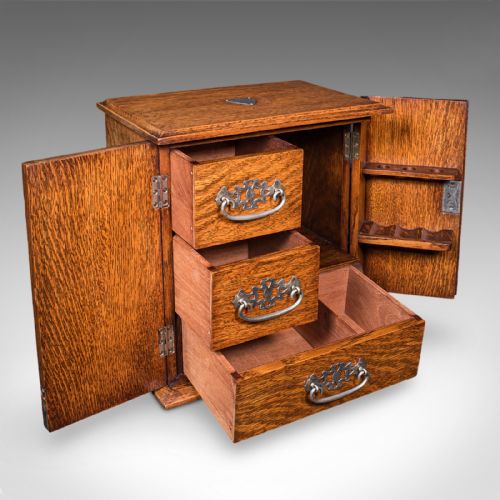
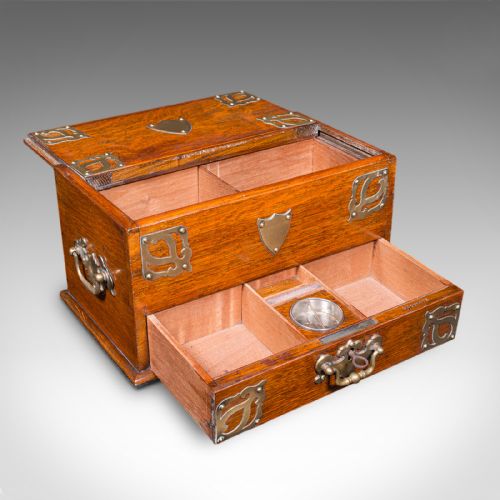
Storage accessories on this page include oak smokers cabinets, mahogany pipe stands, brass racks, and coopered tobacco boxes.
Butz Choquin·Southorn and Co·Blumfeld
The Vintage Smoking Pipe Glossary
- Briar
- A dense, heat-resistant wood sourced from the root burl of the white heath tree. This material became the standard for quality pipe making from the mid nineteenth century onwards.
- Meerschaum
- A soft white mineral composed of hydrated magnesium silicate, prized for its ability to be intricately carved and to colour gradually through smoking.
- Churchwarden
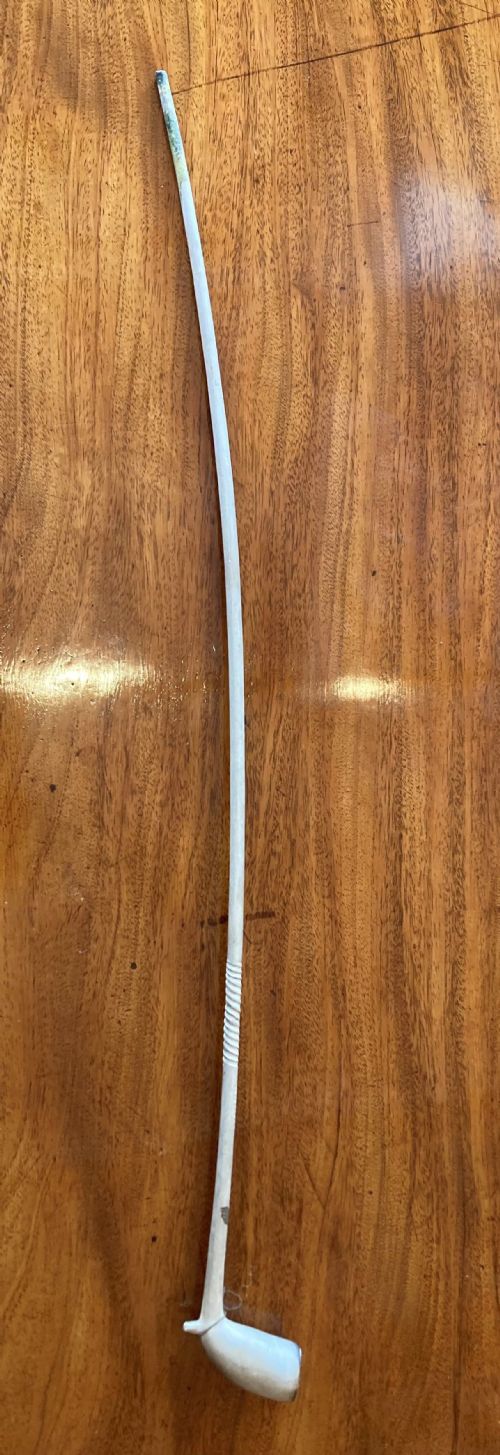
- A pipe characterised by an exceptionally long stem designed to keep smoke away from the smoker's face and provide a cooler draw.
- Treen
- Small handmade wooden household objects and utilitarian wares. Collectors use this term to describe coopered tobacco boxes and matching stands.
- Tobacciana
- Antiques and collectibles associated with the consumption of tobacco, including pipes, humidors, tampers, and cabinets.
Vintage Smoking Pipe: Frequently Asked Questions
What is a vintage smoking pipe made from?
These pieces incorporate a diverse range of materials selected for heat resistance and aesthetic appeal. Common components include briar wood, meerschaum mineral, clay, horn, bone, and linden wood.
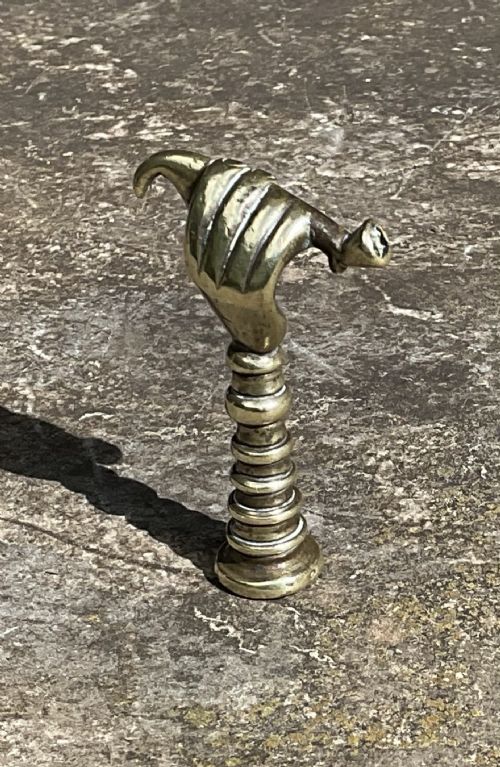
Secondary elements feature brass, silver, white metal, and amber used for mounts, stems, tampers, and protective cases.
How do you clean a vintage smoking pipe?
Maintenance requires gentle handling to preserve delicate carved details and aged patination on wood, meerschaum, or metal surfaces. Collectors typically avoid harsh chemical immersion or abrasive cleaning agents.
Soft brushes and dry cotton cloths help remove dust from intricate carvings without disturbing the original finish or historical wear.
Where were antique smoking pipes manufactured?
Production centres spanned across Europe and beyond, with significant manufacturing in England, France, Germany, and Austria. Specific regions developed distinct styles, such as Black Forest woodcarving.
Global trade also brought items from West Africa and China into European collections during the nineteenth and early twentieth centuries.
How are pipes stored and displayed?
Historical storage solutions include dedicated smoker's cabinets, desktop cases, and wall-mounted brass or mahogany pipe racks. These containers kept smoking implements organised alongside tobacco boxes and tampers.
Modern collectors often utilise these same period cabinets and stands to display collections safely while maintaining historical context.