
Vintage Small Chest Drawers
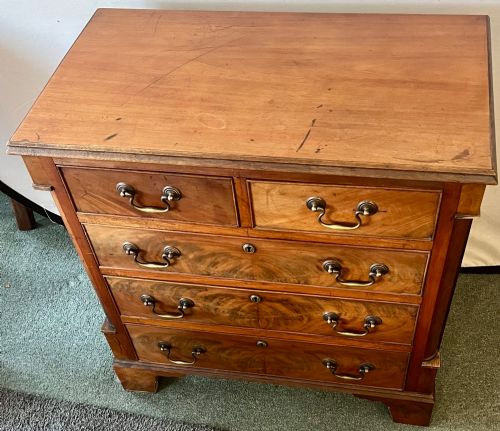
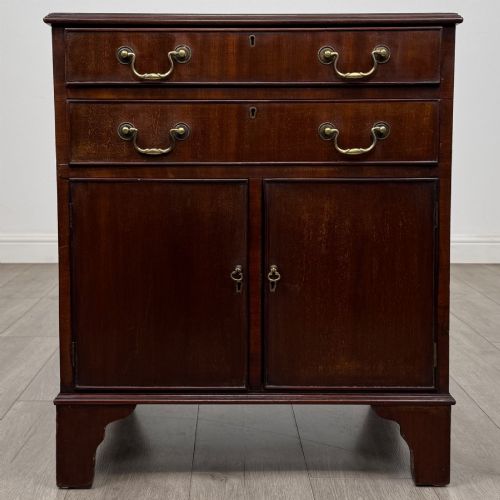
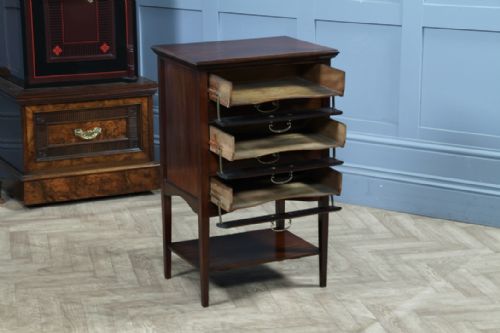
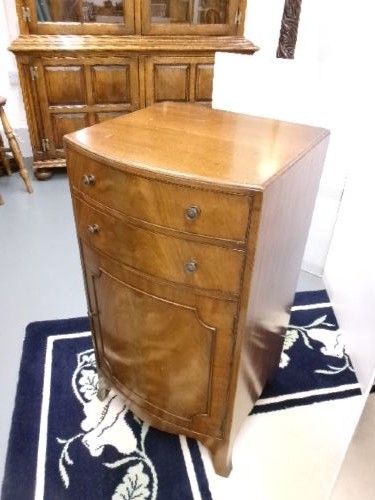
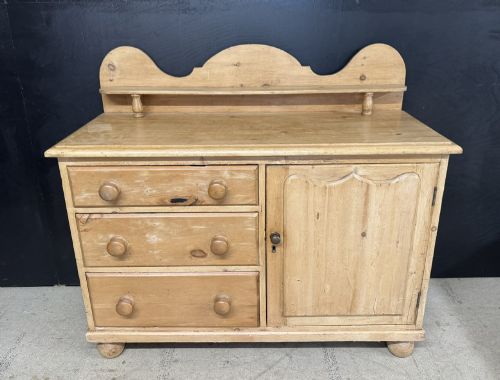
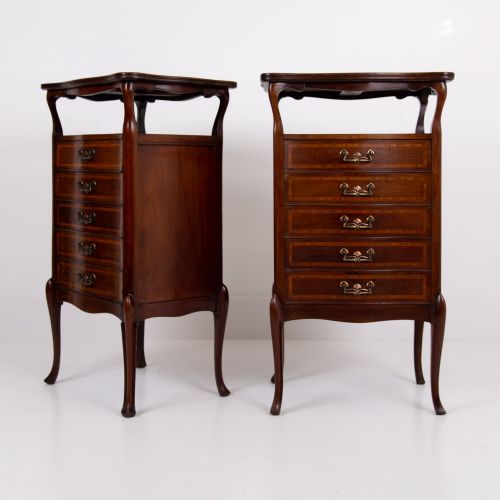
These vintage small chest drawers offer compact storage in mahogany, walnut and oak across Georgian, Victorian and Edwardian periods.
Vintage Small Chest Drawers
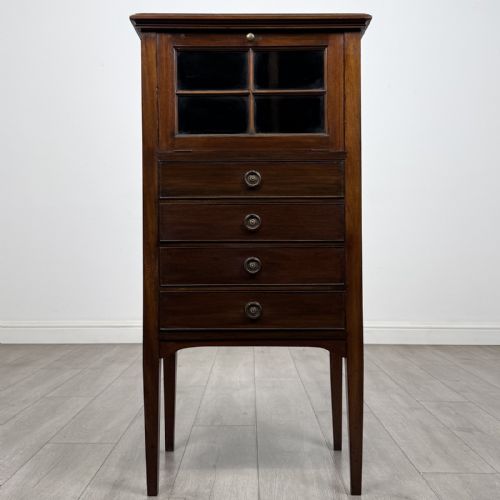
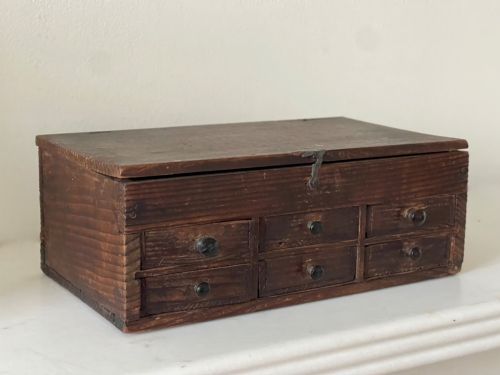
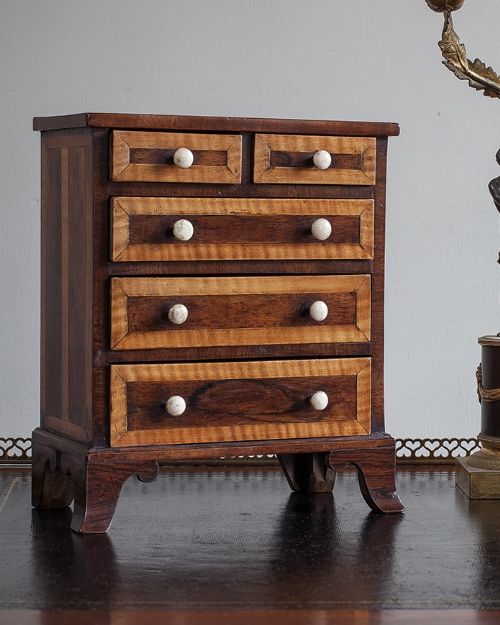
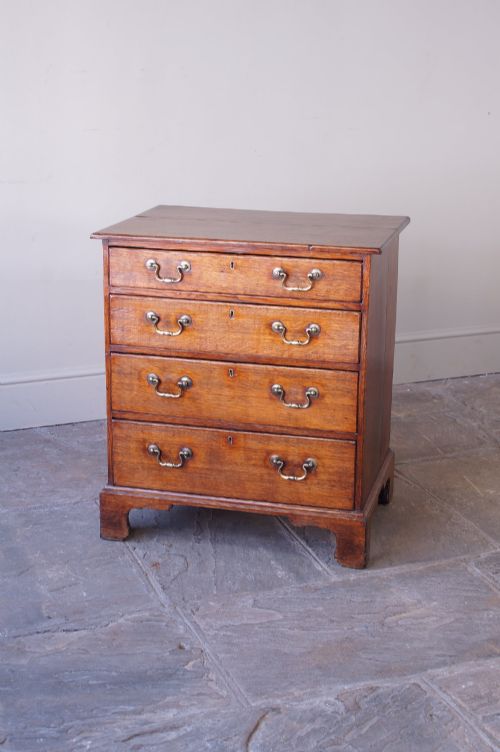
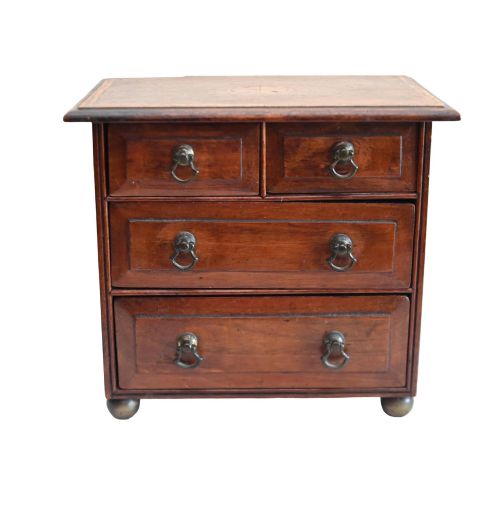
Vintage small chest drawers comprise compact storage units designed for domestic utility, frequently appearing as bedside cabinets, tallboys and miniature apprentice pieces. Buyers seeking these items encounter a diverse selection ranging from Georgian and Victorian examples to Edwardian and Art Deco interpretations.
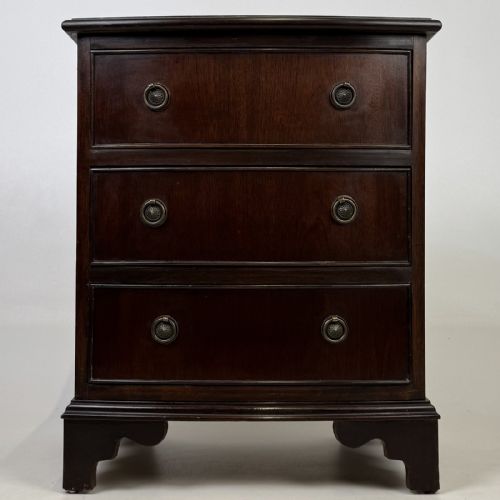
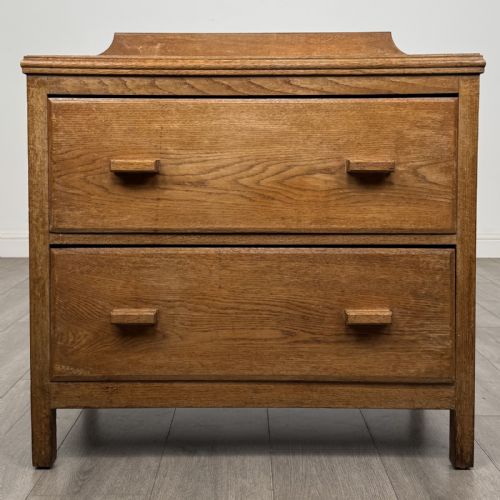
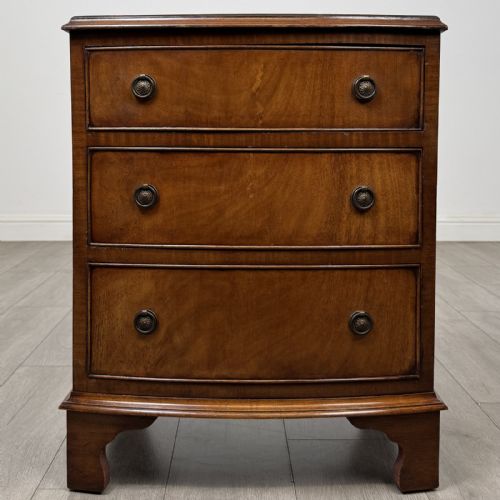
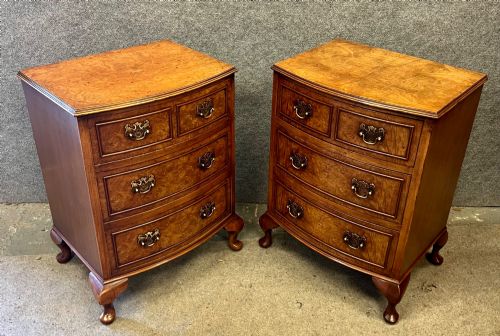
The physical form adapts to various domestic spaces, taking shape as bow front chests, serpentine commodes and narrow bedside tables fitted with multiple drawers. Timber choices lean heavily toward traditional hardwoods, displaying rich grain patterns in walnut, mahogany and oak.
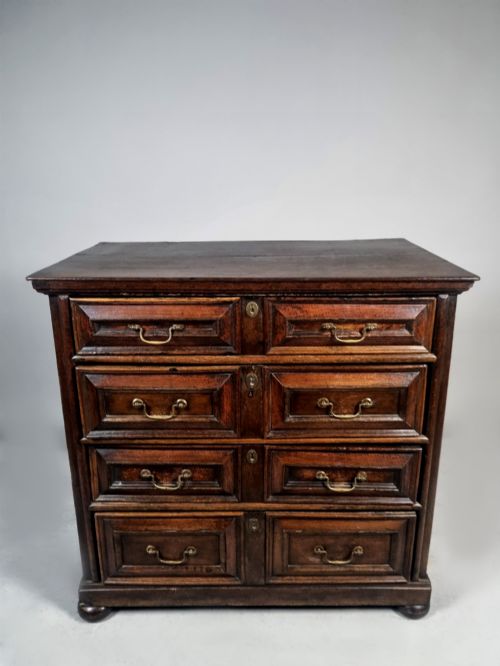
Origins span British and continental workshops, encompassing revival styles like Queen Anne and Jacobean alongside functional apothecary and jewellers chests. These pieces bridge the gap between decorative furniture and practical daily storage.
How they were made
Construction relies predominantly on solid timbers and high-grade veneers, with mahogany, walnut, oak and ash forming the primary structural bodies. Cabinetmakers utilised figured walnut and burr walnut for decorative surfaces, matched with secondary softwoods for internal drawer framing.
Surface finishes typically involve wax or polish applied to accentuate the natural grain of the wood. Metal hardware such as brass handles and drawer pulls are standard additions across the periods represented.
Periods represented span the Georgian, Victorian, Edwardian, 1910, 1920 and 1930 decades.
What varies in quality
Quality rests upon the selection of timber figures, such as the intricacy of burr walnut veneers or the depth of grain in figured mahogany. Superior execution shows in the precision of dovetail joints within the drawers and the crispness of carved details.
Proportion and structural integrity distinguish finer examples, particularly in miniature or bow front formats where maintaining clean lines requires high joinery skill. Original hardware and consistent patination further elevate the standing of a piece.
The Vintage Small Chest Drawers Glossary
- Bow front
- A convex curved front facade popular in Georgian and later furniture design. This shape softens the profile of a small chest while adding visual depth.
- Tallboy
- A tall chest of drawers standing higher than a standard chest, often constructed in two stacked sections. They maximise vertical storage in restricted floor spaces.
- Wellington chest
- A tall, narrow chest of drawers secured by a hinged locking stile on one vertical edge. This locking mechanism secures all drawers simultaneously.
- Apprentice piece
- A miniature item of furniture created by a craftsman to demonstrate skill level for trade guild admission. These display the same construction accuracy as full-scale pieces.
- Serpentine
- A furniture front characterised by a wavy line with a convex centre flanked by concave curves. It requires advanced woodworking capability to execute properly.
Vintage Small Chest Drawers: Frequently Asked Questions
What periods do these chests come from?
The pieces span multiple eras, encompassing 19th-century Victorian and Georgian designs alongside Edwardian, 1920s and 1930s creations. Revival styles also feature prominently among the selections.
Craftsmanship reflects the prevalent aesthetic of each decade, from solid oak Jacobean interpretations to figured walnut Art Deco forms.
How were bedside chests used historically?
Bedside chests served as private storage next to sleeping quarters, holding personal items, nighttime reading materials and small valuables. Their compact proportions kept essentials within arm reach.
Over time, variations like bedside tables and cabinets evolved to accommodate changing domestic habits while retaining a minimal footprint.
What woods are most common?
Mahogany, walnut and oak appear frequently across the inventory, supplemented by burr walnut, ash, pine and yew wood. Solid planks and decorative veneers were chosen based on the desired finish.
Finishes range from waxed surfaces highlighting natural grain to polished mahogany and limed oak treatments.
Are miniature chests genuine antiques?
Miniature chests include authentic apprentice pieces and small trinket storage units originating from the 19th and early 20th centuries. These items replicate the joinery and proportions of larger furniture.
Construction details such as dovetailed drawers and turned feet indicate period manufacturing methods.