


Vintage Slide Cabinet
A vintage slide cabinet brings ingenious mechanics and disciplined timber storage into daily rooms, offering tailored housing for collections or books.
Vintage Slide Cabinet
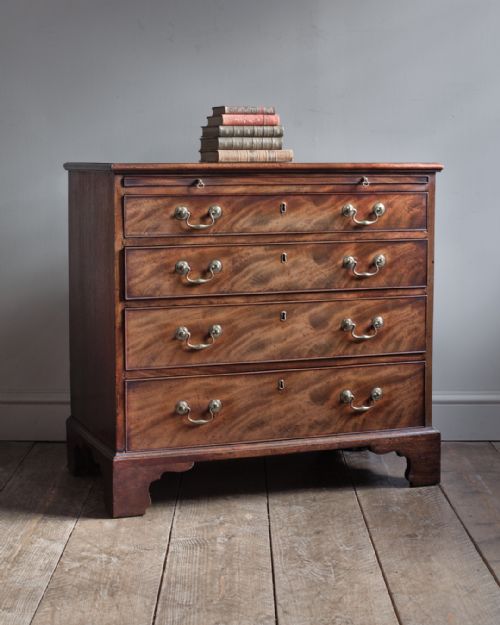
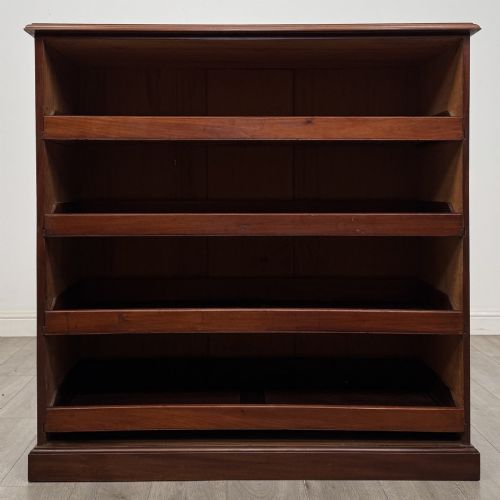
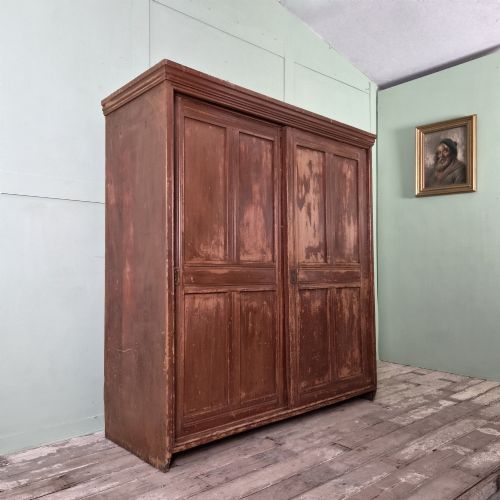
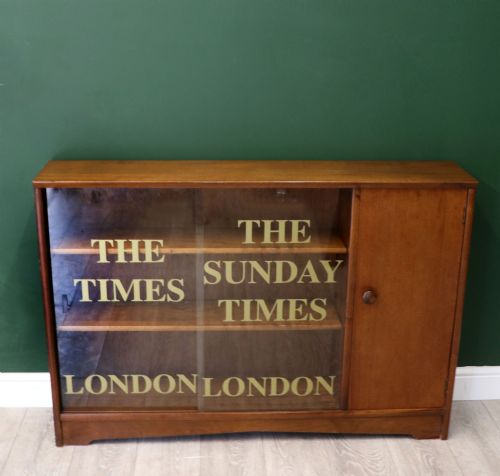
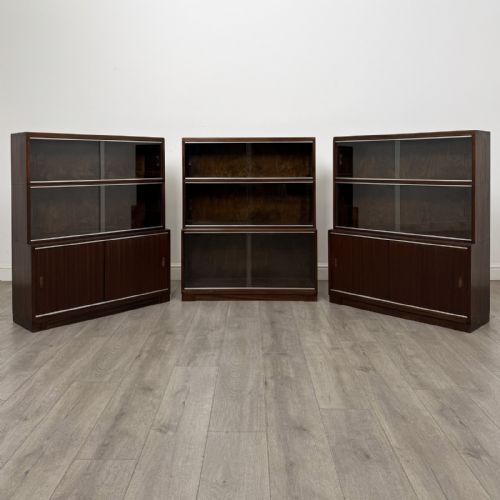
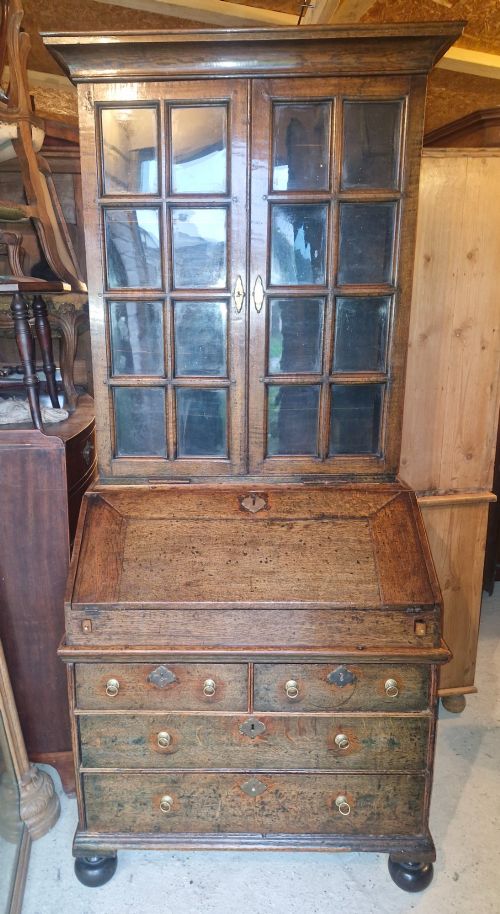
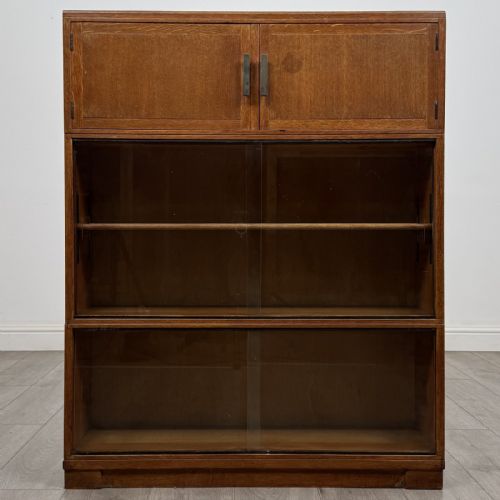
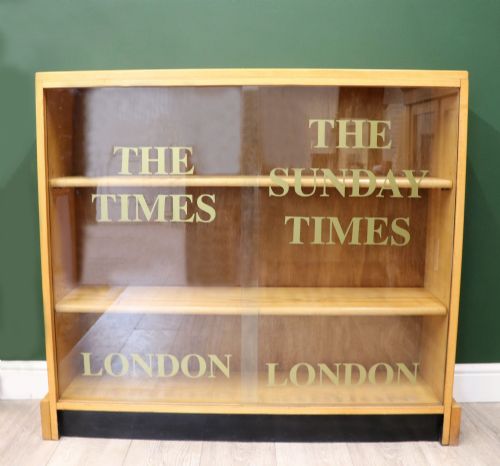
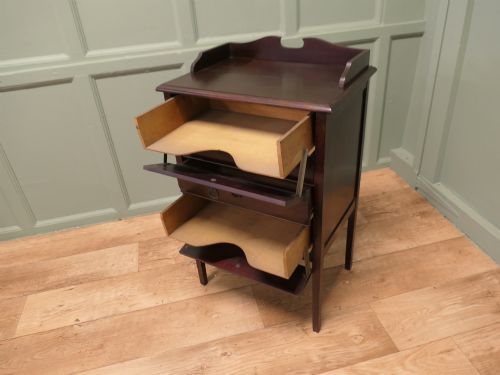
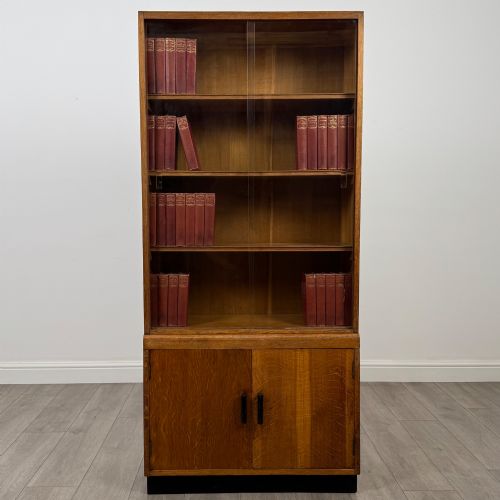
When searching for a vintage slide cabinet, collectors encounter a diverse group of storage forms that incorporate sliding glass doors, candle slides, or internal pull-out trays. The pieces documented here span from Georgian linen presses with internal trays and Edwardian glazed display cabinets to specialised nineteenth-century microscope slide collectors' cabinets and mid-century teak bookcases.
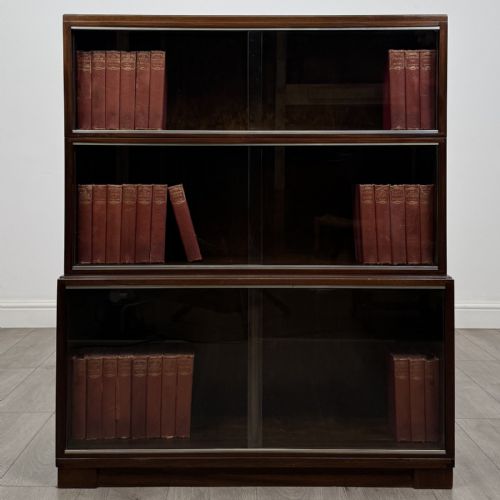
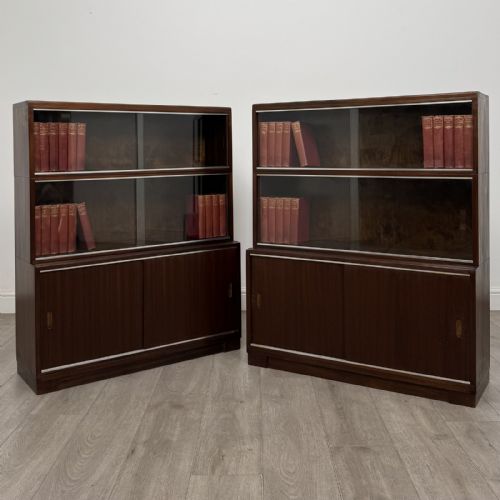
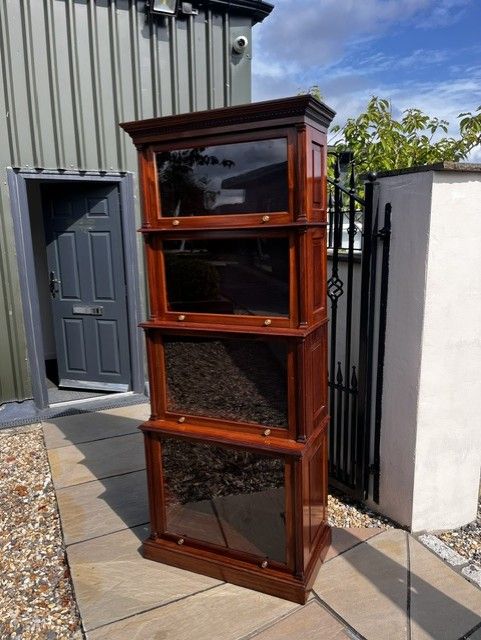
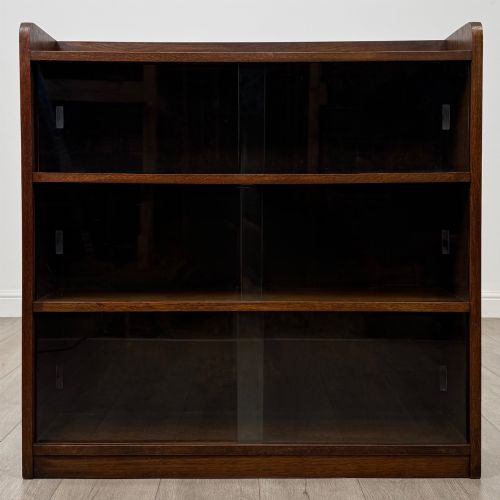
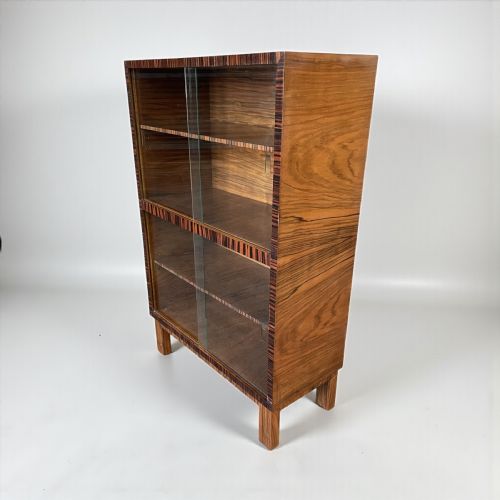
The version most likely to appear on this page is an Edwardian or 1920s oak or mahogany display cabinet fitted with sliding glass doors, alongside stacking barrister bookcases and twentieth-century sectional shelving units. These items reflect a domestic demand for functional, space-saving storage that protects books and objects behind smooth-moving panels.
Originating across British, European, and Japanese workshops, these cabinets merge utilitarian design with distinct period styles ranging from Art Deco and Edwardian classicism to Meiji period traditional craftsmanship. The shared characteristic across these varied forms remains the mechanical slide, whether operating via doors, internal trays, writing slopes, or tiered sections.
How they were made
Cabinetmakers utilised robust hardwoods such as mahogany, oak, walnut, teak, and satinwood, frequently pairing them with structural brass hardware, iron fittings, and glass panes. These materials provided the necessary rigidity for housing heavy rows of books, fine specimen drawers, or stacked shelving modules.
Construction techniques relied upon precision joinery to ensure that sliding doors, stacking tiers, and pull-out trays operated without binding or warping over decades of use. Glazed panels were neatly rebated into wooden frames, while specialist collectors' cabinets featured multiple shallow drawers built with tight tolerances to protect microscopic or delicate specimens.
Vintage Slide Cabinet Retail Price Guide 2026
Typical asking prices for vintage slide cabinet among the pieces listed under this phrase on Sellingantiques today, from the lower quarter to the upper quarter. They describe what is for sale here now, not the wider market.
Listings demonstrate a broad span of oak and mahogany constructions, ranging from Edwardian glazed display cabinets to 1930s Art Deco library tables.
What varies in quality
The upper tier of the range is distinguished by dense, highly figured timbers like burr walnut, satinwood, and premium mahogany, paired with meticulous internal fitting and signed maker provenance. Lesser examples utilise simpler, plainer woods and more utilitarian construction designed purely for basic office or domestic storage.
Mechanical execution defines the grade of a slide cabinet, separating pieces where doors glide effortlessly on original tracks and drawers run square from those with sluggish movement or mismatched replacement elements. The integration of high-grade brass work, unblemished glazing, and unaltered original finishes marks the difference between standard production pieces and master-workshop creations.
Herbert Gibbs·Minty of Oxford·Waring and Gillow·Robert Gillows II·Liberty of London
The Vintage Slide Cabinet Glossary
- Candle slide
- A pull-out shelf traditionally positioned beneath a desk or bureau writing surface to hold a candlestick for additional illumination. It slides flush into the timber framework when not required.
- Barrister bookcase
- A modular sectional bookcase featuring glazed doors that lift and slide upwards into the cabinet recess. This design allows multiple tiers to stack securely on top of one another.
- Tansu
- A traditional Japanese mobile storage chest constructed from timber with distinctive metal hardware. These pieces often incorporate sliding panels and multiple internal configuration options.
- Linen press
- A tall storage piece comprising upper sliding trays or shelves enclosed by doors, positioned above a chest of drawers. It was historically used for storing folded linens and garments.
- Specimen cabinet
- A purpose-built cabinet containing numerous shallow drawers designed to hold scientific samples, slides, or small collections. They are prized for their exceptional internal joinery.
Vintage Slide Cabinet: Frequently Asked Questions
What is a vintage slide cabinet?
A vintage slide cabinet is a piece of furniture featuring sliding doors, pull-out trays, or stacking sections designed to store books, collections, or household items efficiently.
These items range from Edwardian glazed display units and barrister bookcases to nineteenth-century scientific specimen drawers and traditional Japanese storage chests.
How were slide cabinets used originally?
They served multiple domestic and professional functions, acting as protective housing for libraries, display spaces for china, or specialised storage for linen and microscope slides.
Many designs prioritised space-saving mechanics, allowing owners to access contents quickly in studies, libraries, and Victorian or Edwardian drawing rooms.
How do I live with one?
These cabinets integrate smoothly into modern interiors by providing practical enclosed storage that protects books and collectibles from dust while maintaining a neat silhouette.
Their sliding mechanisms make them particularly suitable for tighter spaces where traditional hinged doors would require extra clearance to open.
How do I tell periods apart?
Period identification relies upon observing timber choices, hardware styles, and construction methods characteristic of eras such as the Georgian period, Edwardian epoch, or 1930s Art Deco movement.
Earlier pieces often showcase solid mahogany or oak with hand-cut joinery, whereas mid-century examples frequently feature teak, clean lines, and applied branding.