

Vintage Sketch
A vintage sketch brings immediate character to a wall, offering direct contact with an artist's hand through rapid line and tone.
Vintage Sketch
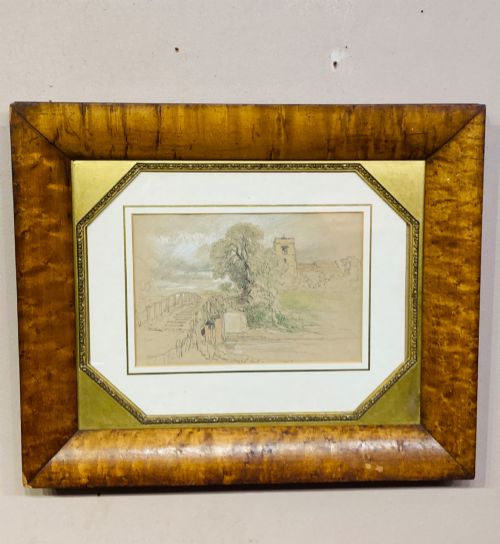
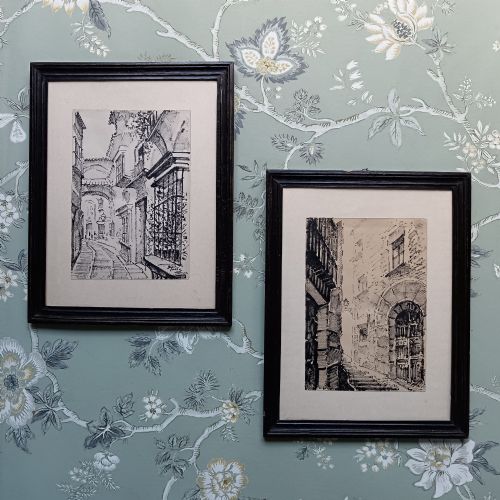
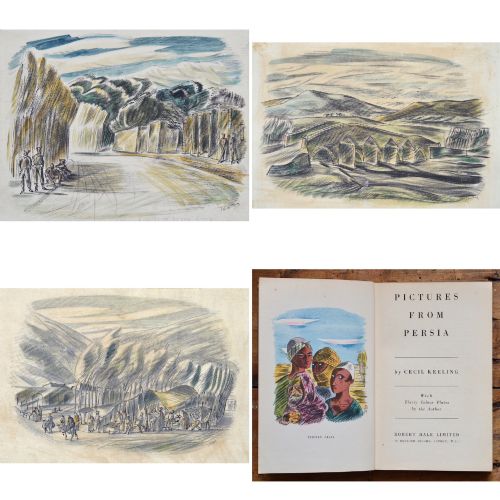
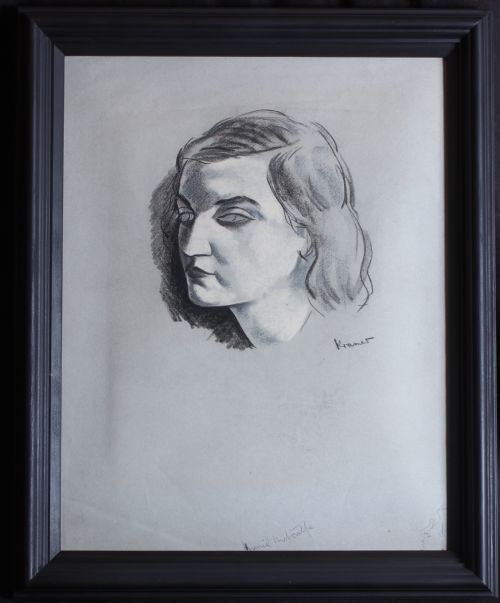
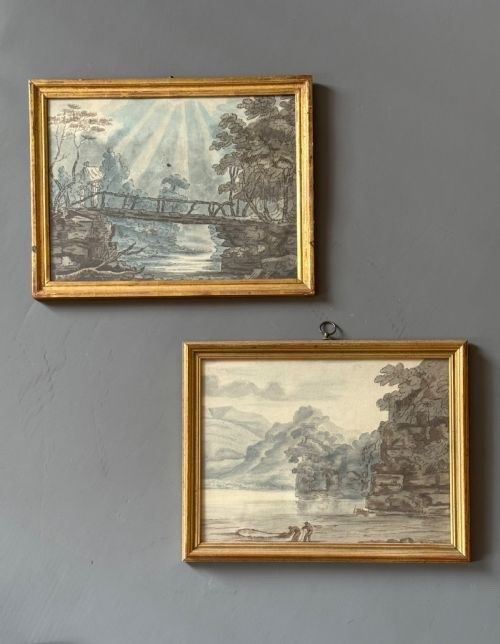
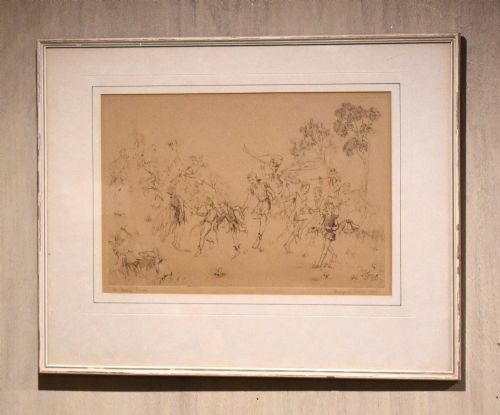
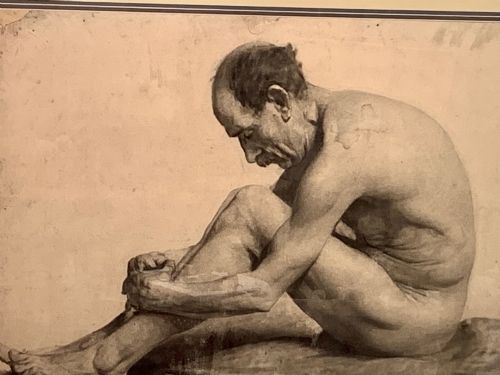
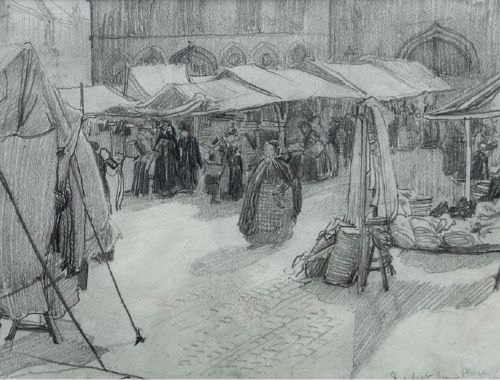
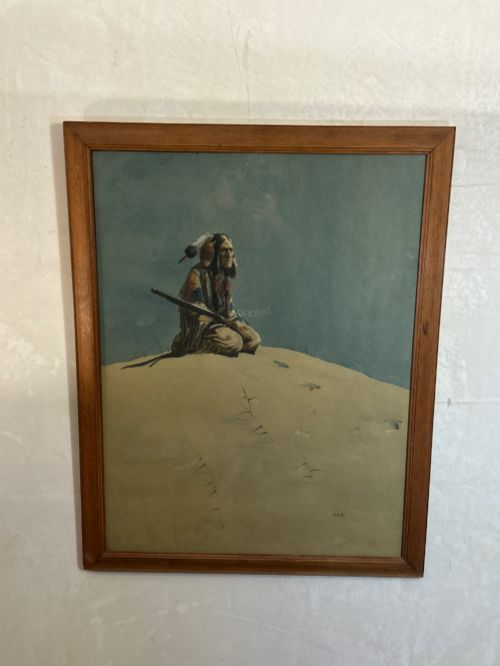
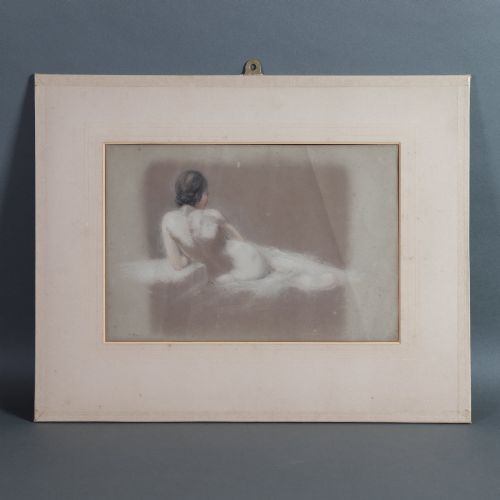
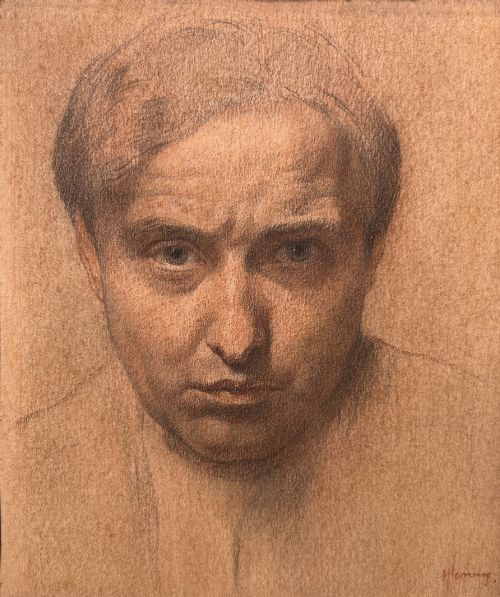
A vintage sketch encompasses original drawings, mixed media studies, and period prints created across the eighteenth, nineteenth, and twentieth centuries. These works range from academic life studies and landscape watercolours to wartime portraits and architectural views.
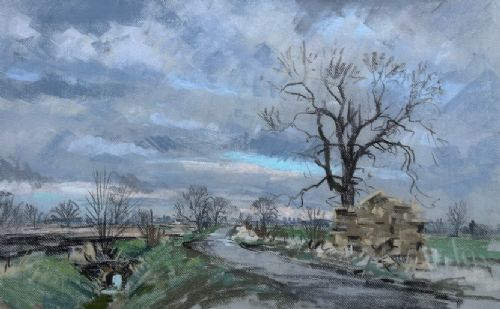
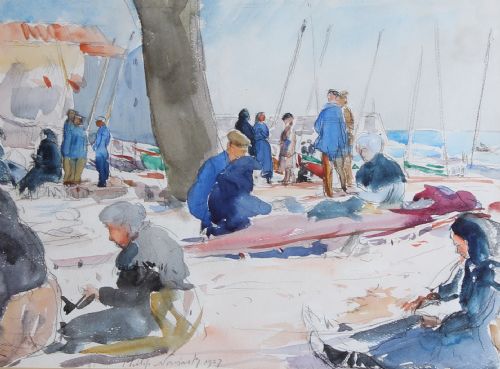
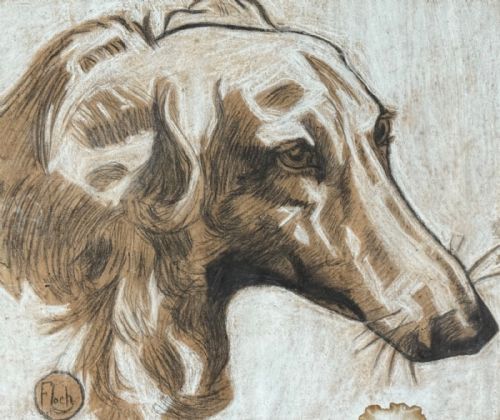
Buyers seeking a vintage sketch will most frequently encounter works on paper executed in graphite, ink, charcoal, pastel, or gouache. Framed artwork and original drawings dominate the selection, spanning styles from Academic Realism and Victorian portraiture to Mid-Century Modernism and Early Twentieth Century British art.
Materials and technique
Artists relied primarily on paper supports, applying graphite, charcoal, or ink for linear definition and form. Many works incorporate watercolour, wash, or gouache to build tone and colour across the surface.
The physical handling reveals the direct intent of the maker, whether through rapid ink lines or carefully blended pastel chalks. Framing typically protects these fragile media under glass, preserving the original paper and pigments from atmospheric wear.
Vintage Sketch Retail Price Guide 2026
Typical asking prices for vintage sketch among the pieces listed under this phrase on Sellingantiques today, from the lower quarter to the upper quarter. They describe what is for sale here now, not the wider market.
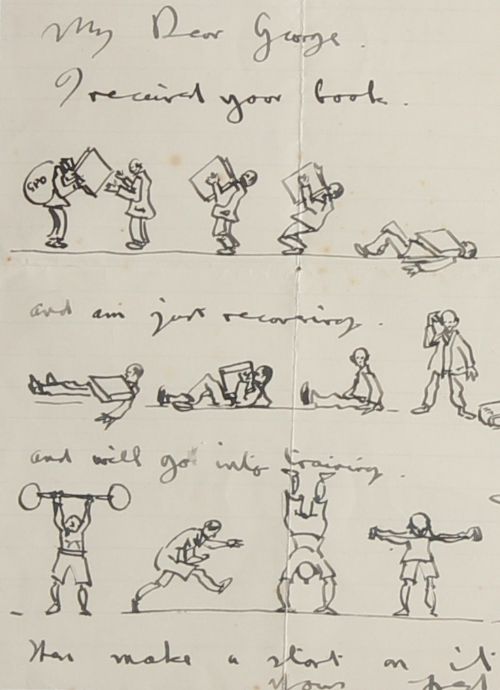
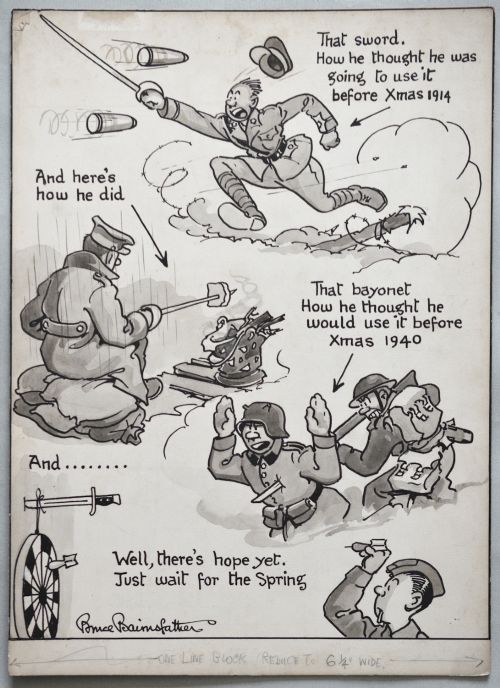
Several artists captured wartime resilience by sketching officers and military life in the middle of active service.
Factors of quality
Quality rests upon the sureness of the draughtsmanship and the economy of line used to capture the subject. A confident, expressive hand distinguishes a compelling study from a rigid academic exercise.
The condition of the paper and the stability of the medium dictate the longevity and visual impact of the piece. Intact sheets with minimal discolouration and strong tonal contrast preserve the immediacy intended by the artist.
Jacob Kramer·Fred Lawson·Cecil Keeling·Henry Percy Huggill·John Hassall·Bruce Bairnsfather·William Etty·Augustus John·Maurice Brianchon·James Stroudley·Alfred Wolmark·Herbert Johnson Harvey·Samuel Rabin·Henri Charles Angéniol·John Meredith·Pablo Picasso·Henry de Waroquier·Dame Laura Knight
The Vintage Sketch Glossary
- Graphite
- A form of carbon used in pencils to create monochrome lines and shading. It permits a wide range of tones from faint grey to deep metallic black.
- Gouache
- An opaque water-based paint that provides solid areas of colour and highlights. It is frequently combined with ink or watercolour on tinted paper.
- Wash
- A diluted application of ink or watercolour spread across paper to create smooth background tones or shadows. Artists utilise it to establish depth quickly.
- Academic Realism
- A style of painting and drawing produced under the influence of European academies of art. It emphasises precise anatomical accuracy and classical proportions.
Vintage Sketch: Frequently Asked Questions
Are these works always unique?
Original drawings, watercolours, and pastels are entirely unique creations executed directly by the artist's hand. Each sheet captures a singular moment of observation or composition.
The selection also includes period prints and limited editions, which represent multiple impressions pulled from plates or blocks.
How do I identify the period of a drawing?
Dating relies upon stylistic markers, paper watermarks, and inscriptions left by the artist or previous owners. Clothing, hairstyles, and subject matter often point toward a specific decade or century.
Signatures and biographical details of listed makers provide a reliable framework for placing works within the nineteenth or twentieth centuries.
What is the difference between a sketch and a finished painting?
A sketch prioritises immediacy, gesture, and the exploration of form over polished detail. It reveals the preparatory thought process or direct reaction of the artist.
Finished paintings typically involve layered pigments and extended working methods designed for public exhibition and final presentation.