


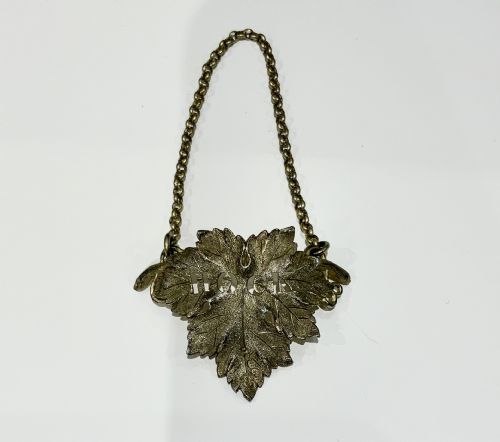
Vintage Silver Wine Tag
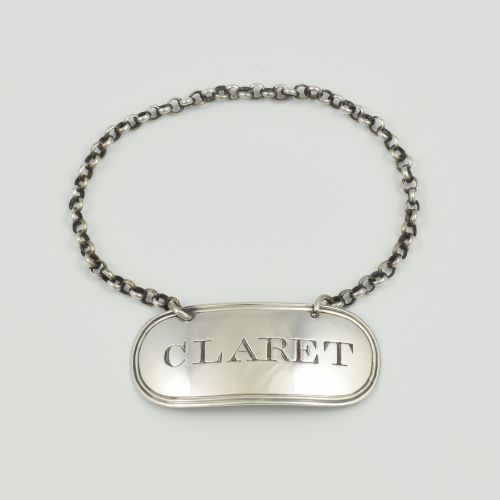
A vintage silver wine tag marks your bottles with distinction, keeping decanted port, sherry and claret clearly identified.
Vintage Silver Wine Tag
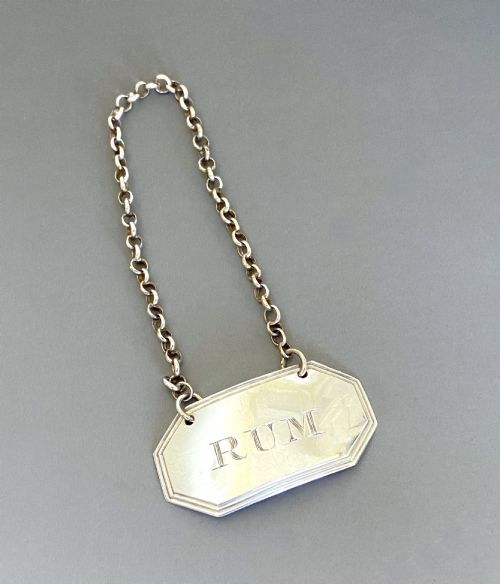
A vintage silver wine tag, also known as a decanter label, hangs from the neck of a bottle or decanter by a chain or collar to denote the contents. When you search for this phrase, you find small pieces of silversmithing designed to sit proudly on crystal glassware.
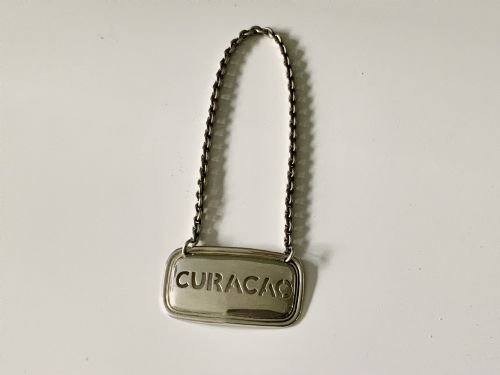
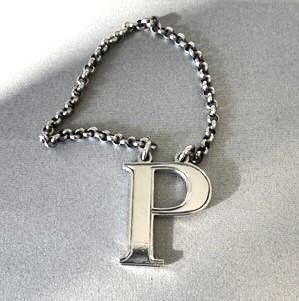
The versions most common on this page hail from the Georgian and Victorian eras, alongside mid-century interpretations involving enamel. These pieces range from simple pierced shields to ornate vine leaf motifs swinging from silver chains.
Makers shaped these markers to name specific drinks such as port, sherry, madeira, hock, rum, brandy and champagne. Sets of matching tags often turn up together, allowing hosts to coordinate a full dining service.
How they were made
Silversmiths utilised sterling silver and solid silver, hammering and cutting sheet metal into traditional shapes like vine leaves, cartouche scrolls and crescent shields. Many examples received a layer of gold wash, known as silver gilt, to protect the metal from acidic wine splashes.
Makers applied techniques such as piercing, chasing and engraving to define titles and decorative borders like grapes and vines. Later mid-century pieces integrated coloured enamel work fired directly onto the silver surface.
Listings span Georgian, Victorian, Edwardian, and mid-century periods, showcasing sterling silver, silver gilt, and enamel materials.
What varies in quality
The distinction between ordinary and superior pieces rests on the crispness of the hand-engraving and the depth of the metal stamping. Heavy gauge solid silver maintains a rigid shape, whereas thin metal bends easily under handling.
Named makers and clear London assay office hallmarks elevate a piece above unmarked examples. The detail in sculptural elements, such as naturalistic vine leaves or animal motifs, separates standard production from exceptional silversmithing.
Elizabeth Morley·Tiffany·Thomas Wallis II·William Sharp·Mappin And Webb
The Vintage Silver Wine Tag Glossary
- Decanter label
- A small metal tag hung around the neck of a bottle to identify the wine inside. These items are also frequently called wine tags or bottle tickets.
- Hallmark
- An official stamp struck into precious metal indicating the standard of silver, the assay office of origin and the date letter. British pieces frequently display lion passant and leopard head marks.
- Silver gilt
- Sterling silver that has been coated with a thin layer of gold. This technique provides a rich yellow sheen and guards the base metal against tarnishing.
- Pierced
- A technique where metal is cut through to create openwork patterns and lettering. This method lightens the weight while adding visual depth to the border.
Vintage Silver Wine Tag: Frequently Asked Questions
How do I hang a wine tag?
Most vintage silver wine tags include an attached chain or a rigid metal collar that slips easily over the bottleneck. Position the tag so the engraved title faces forward for guests to read.
Ensure the chain rests comfortably below the lip of the decanter without scratching the glass surface during pouring.
What drinks do these tags name?
Traditional tags name fortified and aged table wines like port, sherry, madeira, claret, hock, moselle, rum, brandy and champagne. Some scarce examples feature unusual or blank titles intended for custom engraving.
Matching the drink name to the contents ensures historical consistency on a formal dining table.
Are these pieces made of solid silver?
The listings span sterling silver, solid silver and silver gilt compositions, alongside occasional enamelled or plated variants. Hallmarks stamped directly onto the reverse or edge confirm the purity of the metal.
Solid silver construction ensures the piece retains its structural integrity through decades of handling.
How do I clean silver wine tags?
Use a soft microfiber cloth with a mild silver polish to gently remove tarnish from engraved recesses. Avoid harsh abrasive dips, particularly on pieces featuring delicate enamel or silver gilt.
Store cleaned tags in a dry environment away from direct sunlight to preserve the polished surface.