



Vintage Silver Sugar Basin
These vintage silver sugar basin pieces bring traditional form and precious metal to the table, offering a tangible link to past dining habits.
Vintage Silver Sugar Basin
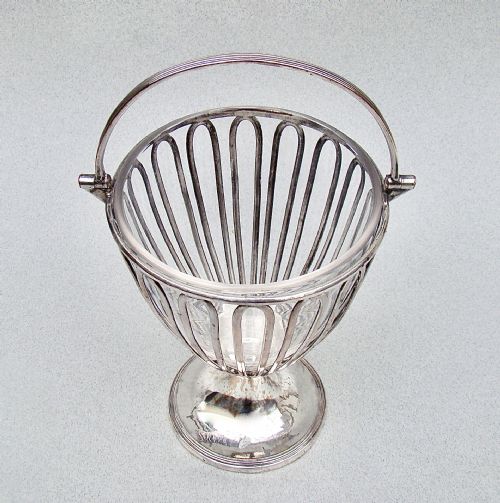
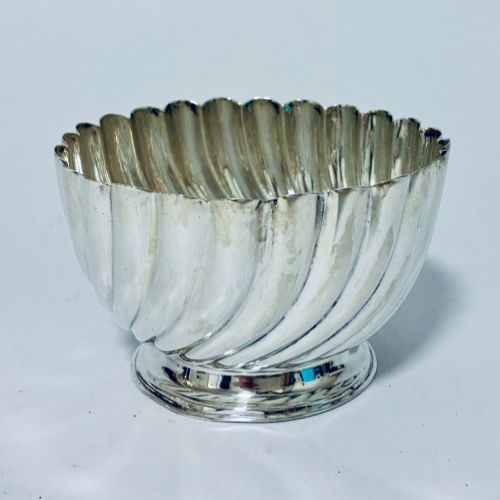
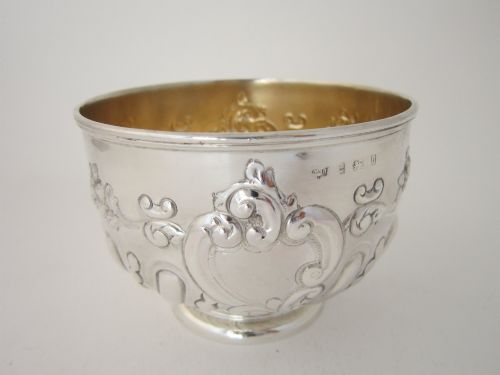
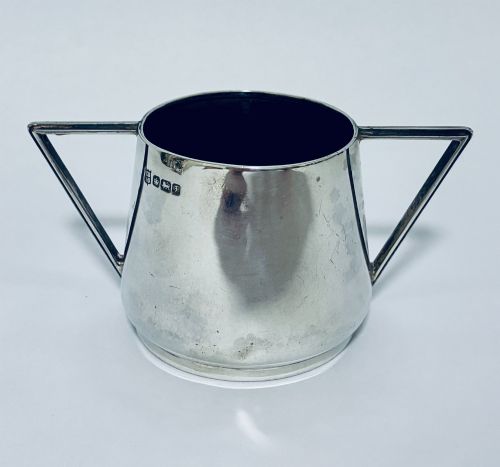
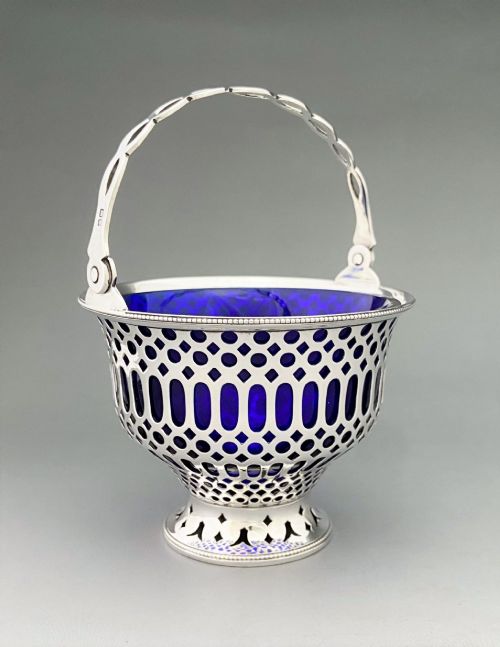
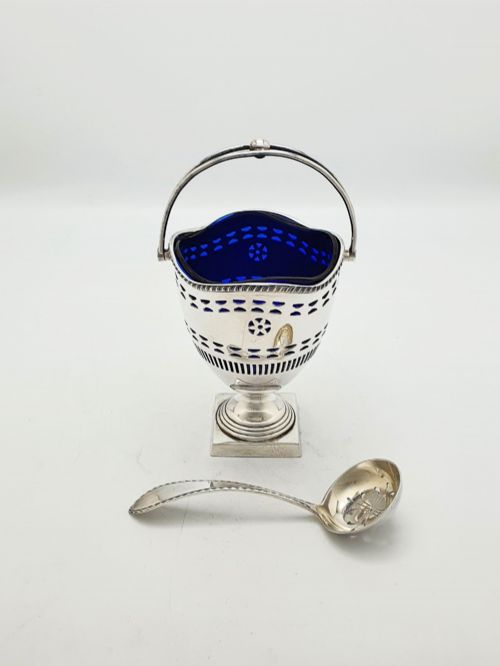
A vintage silver sugar basin serves as a formal vessel for table sugar, appearing in various forms across multiple eras. The pieces gathered under this heading span from Georgian and Victorian times through Edwardian, Art Deco, Arts and Crafts, and mid-century periods. Forms range from open bowls and pierced baskets to biscuit barrels and sets paired with cream jugs.
Materials vary widely beyond plain metal, frequently incorporating coloured glass liners such as cobalt and cranberry glass, or receiving silver and gold gilt finishes. Silver plate appears alongside solid sterling silver, reflecting the diverse manufacturing standards of each decade. Buyers encounter both standalone items and those accompanied by original accessories like sifters and spoons.
How they were made
Silversmiths utilised traditional manufacturing techniques, creating solid sterling silver and silver-plated vessels often enhanced by pierced decoration. Certain pieces display distinct hand-worked finishes, such as planished and hammered surfaces characteristic of the Arts and Crafts movement.
Many designs integrate blown glass elements, pairing silver frames with cobalt or cranberry glass liners. Gilding techniques applied interior gold washes to silver gilt components, while heavy gauge metalwork provided substantial weight to commemorative and anniversary editions.
Vintage Silver Sugar Basin Retail Price Guide 2026
Typical asking prices for vintage silver sugar basin among the pieces listed under this phrase on Sellingantiques today, from the lower quarter to the upper quarter. They describe what is for sale here now, not the wider market.
Materials appearing across the current selection include sterling silver, silver plate, gold gilt, copper, and coloured glass.
What varies in quality
Quality differences stem from the weight of the metal and the complexity of the silversmith's work, moving from light silver plate to heavy gauge sterling silver. The presence of hand-hammered detailing or intricate piercing distinguishes superior craftsmanship from simpler production.
The integration of original components, such as matching glass liners, spoons, and sifter attachments, elevates an object's completeness. Pieces marked by distinct period styles and defined manufacturing origins demonstrate higher artisanal ambition than generic tableware.
The Vintage Silver Sugar Basin Glossary
- Sterling silver
- A standard alloy consisting of ninety-two point five percent silver and seven point five percent other metals, usually copper. This composition provides the durability required for functional tableware.
- Silver plate
- A base metal manufacturing method where a thin layer of silver coats a substrate like copper or nickel silver. It offered an accessible alternative to solid sterling wares.
- Planished
- A surface texturing technique involving light hammer blows across the metal. This process hardens the material while leaving a distinctive faceted pattern.
- Cobalt glass
- A deep blue glass variety created by adding cobalt oxide to the molten batch. It frequently served as a contrasting liner inside pierced silver baskets.
- Cranberry glass
- A rich pinkish-red glass produced by adding gold chloride to the metal during production. Victorian makers favoured this material for decorative bowls and biscuit barrels.
Vintage Silver Sugar Basin: Frequently Asked Questions
What is a silver sugar basin?
A silver sugar basin is a hollowware vessel designed specifically to hold loose sugar for tea and coffee service. These items sit upon the dining table or sideboard as part of a formal tea service.
Over the centuries, makers adapted the form from simple bowls to handled baskets and lidded containers. They often coordinate with matching cream jugs and teaware sets.
How do I clean antique silver?
Cleaning antique silver requires mild soap, warm water, and a soft cloth to remove everyday dust and grime. Harsh chemical dips strip the natural patination built up over decades.
Specialist silver pastes applied with gentle pressure help maintain the polished finish without harming engraved or hammered details. Storing pieces in dry environments prevents rapid tarnish accumulation.
What is the difference between sterling and plate?
Sterling silver contains a solid, legally regulated proportion of pure silver throughout the entire object. It maintains its material integrity and value across generations.
Silver plate consists of a base metal core covered by a thin exterior coating of real silver. Heavy usage over long periods can eventually wear away the plated layer to reveal the underlying metal.
Can I use these for daily dining?
These historical vessels function well for modern dining provided they receive careful handling and immediate hand washing. Acidic foods and prolonged moisture can affect both metal and glass liners.
Many collectors prefer to use them specifically for special occasions to limit potential wear. Displaying them on sideboards preserves their condition while keeping them part of the home.