




Vintage Silver Shell
Vintage silver shell items bring nautical grace to the table, taking the form of caddy spoons, butter dishes, and biscuit boxes crafted in sterling and plate.
Vintage Silver Shell
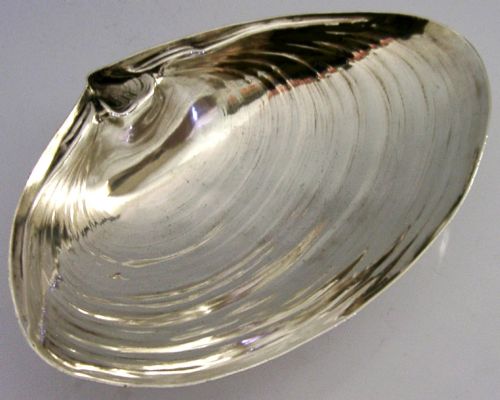
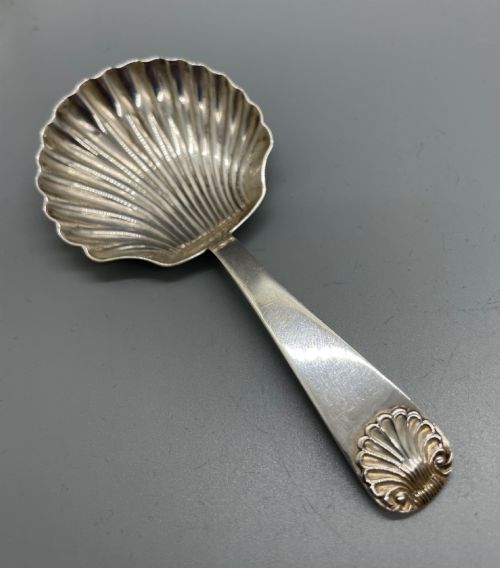
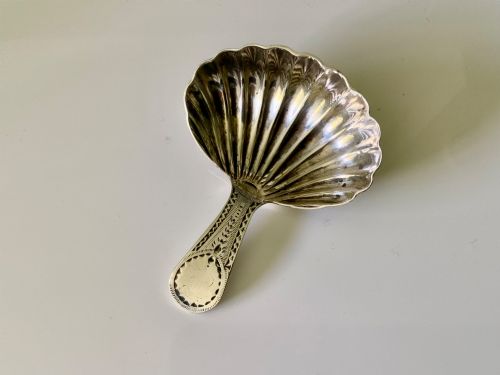
A vintage silver shell typically takes the literal shape of a marine bivalve, utilised for serving butter, biscuits, or dry tea leaves. These pieces emerge from periods ranging through the Georgian, Victorian, and Edwardian eras, displaying both naturalistic curves and formal revivalist symmetry.
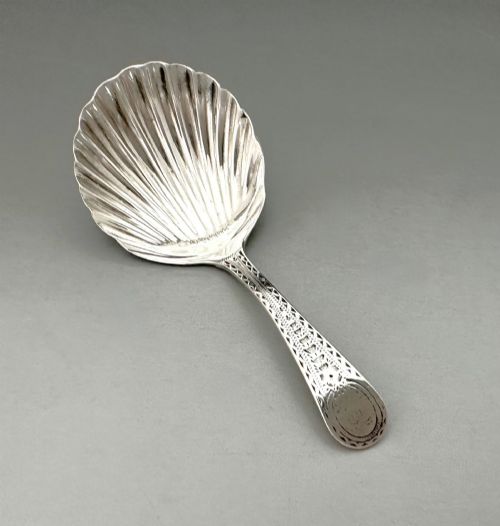
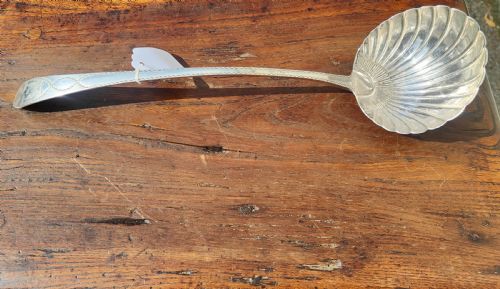
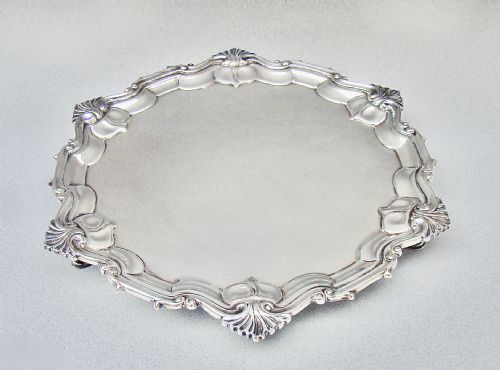
The most frequent form encountered on this page is the caddy spoon, alongside butter dishes and larger serving vessels shaped directly from the motif. Makers drew upon Rococo Revival tastes and Georgian influences to shape metal into ridged shell bowls with engraved handles.
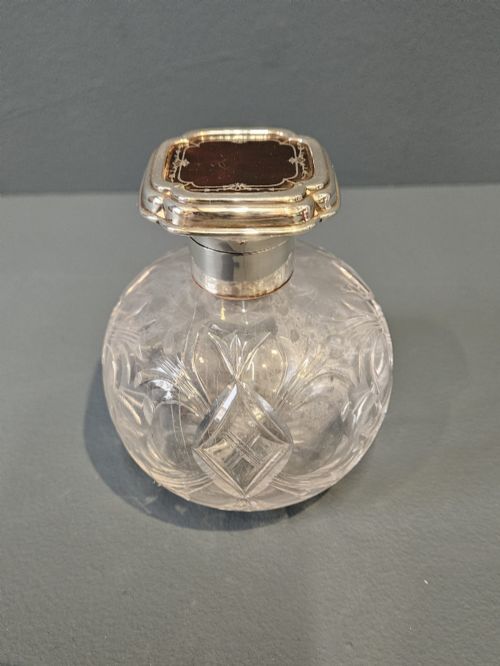
Beyond tableware, the search encompasses decorative objects incorporating tortoiseshell and crystal, or sculpture depicting sea shells in solid silver. Each piece reflects a domestic preoccupation with marine motifs across the eighteenth, nineteenth, and early twentieth centuries.
Materials and Working Methods
Silversmiths formed these objects primarily in sterling silver or silver plate over a base metal, frequently employing casting and hand-engraving to delineate the ribs and hinges of the shell. Stamped hallmarks on sterling pieces record the assay office and date, while plated items rely on applied silver layers over copper or nickel alloys.
Complementary materials appear alongside the metal work, notably cut crystal glass for scent bottles and tortoiseshell panels fitted into boxes or mounted on dresser items. Carved mother-of-pearl and mahogany also integrate into related items sharing the aesthetic vocabulary of the period.
Vintage Silver Shell Retail Price Guide 2026
Typical asking prices for vintage silver shell among the pieces listed under this phrase on Sellingantiques today, from the lower quarter to the upper quarter. They describe what is for sale here now, not the wider market.
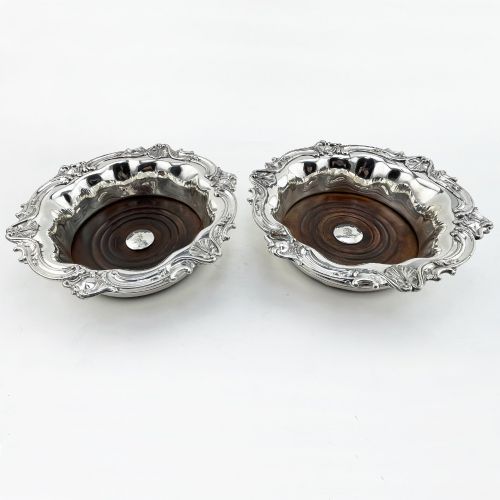
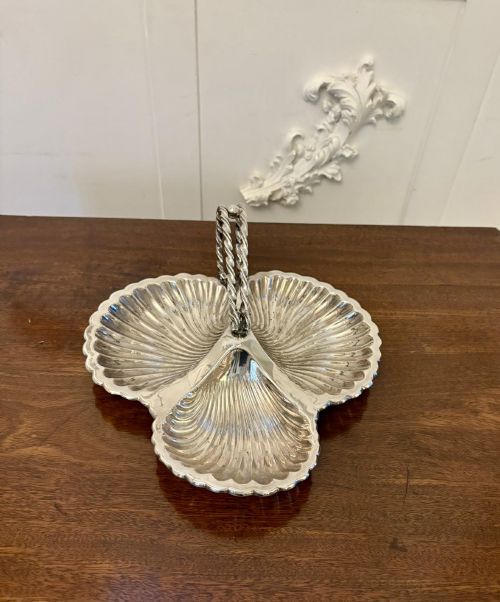
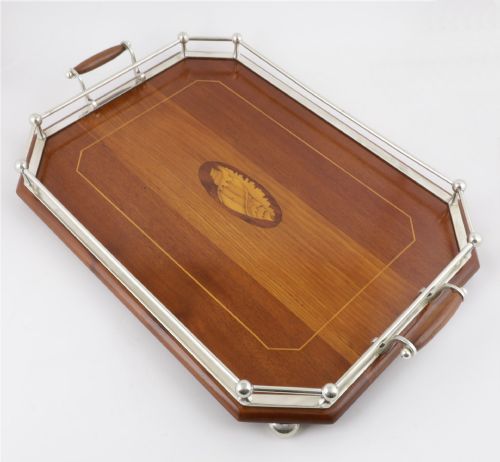
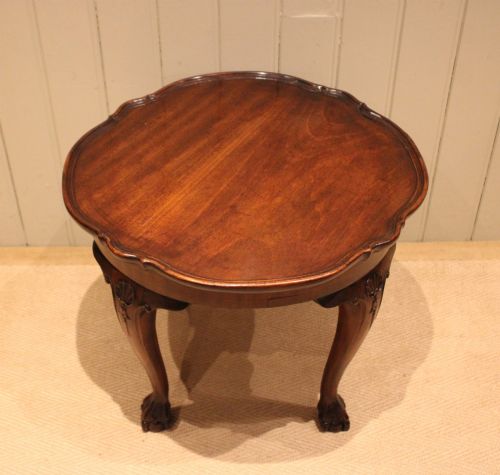
Object forms within this category range from tiny tea caddy spoons and sauce boats to triple shell biscuit boxes and desk tables.
Distinctions in Standard
Quality rests upon the crispness of the repoussé or cast detail within the fluted bowl, where sharper ridges and heavier gauge metal denote superior workshop production. Thicker silver plating resists wear through decades of use, whereas thin plate reveals the base metal beneath high-friction points.
Provenance and maker attribution elevate certain items, particularly those bearing marks from established silversmiths or retailed by prominent firms. The integrity of associated materials, such as undamaged crystal or intact tortoiseshell mounts, further separates standard domestic wares from finer examples.
Mappin & Webb·William Hutton & Sons·The Goldsmiths & Silversmiths·WMF·Tiffany & Co.
The Vintage Silver Shell Glossary
- Caddy spoon
- A small utensil specifically designed for measuring loose tea leaves from a caddy into a teapot. These spoons frequently take a shell shape to catch the dry leaves.
- Hallmark
- A set of official marks stamped into precious metal items indicating the standard of purity, the assay office, the maker, and the year of production.
- Repoussé
- A metalworking technique where a design is hammered into relief from the reverse side of the object. This method gives depth and texture to the ridges of silver shells.
- Silver plate
- A thin layer of pure silver fused to a base metal core, such as copper or nickel silver. It offered an accessible alternative to solid sterling for larger serving dishes.
- Sterling silver
- An alloy consisting of ninety-two point five percent silver by mass, with the remainder composed of copper or other metals. It provides the standard composition for durable British silverware.
Vintage Silver Shell: Frequently Asked Questions
What was a silver shell dish used for?
These dishes served specialised functions at the dining table, often holding butter, bonbons, or dry biscuits during formal meals. Their shallow basins accommodated small portions that required dedicated serving utensils.
Over time, domestic habits shifted, and many households repurposed these silver shells as decorative catch-alls on dressing tables or sideboards.
How do I clean antique silver plate?
Maintenance requires a soft cloth and a gentle silver polish formulated specifically for plated items to avoid wearing away the thin surface layer through aggressive rubbing. Regular dusting with a microfibre cloth prevents tarnish build-up without resorting to frequent chemical cleaning.
Storage in dry environments away from direct sunlight and rubber materials also helps preserve the finish of both sterling and plated pieces.
Are caddy spoons safe to use?
These spoons function adequately for dry goods like tea or sugar, provided the silver or plate remains intact without exposing harmful base metals underneath. Hand washing in warm, soapy water preserves the surface integrity far better than mechanical dishwashing.
Owners should dry them promptly with a soft cloth to prevent water spots from forming on the engraved surfaces.
How can I tell the period of a silver item?
Dating relies primarily on the stamped hallmarks found on sterling pieces, which correspond to specific assay office registries and active years for recorded makers. Stylistic clues, such as the ornate curves of Rococo Revival or the cleaner lines of Edwardian manufacture, provide secondary indicators when marks are worn.
Comparing the weight, gauge, and construction methods against documented examples from the same era confirms the likely decade of origin.