
Vintage Silver Serving
Vintage silver serving pieces bring form and utility to the table, spanning expansive trays, delicate spoons, and sturdy carving sets.
Vintage Silver Serving
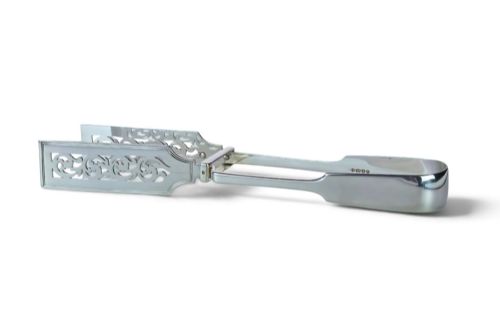
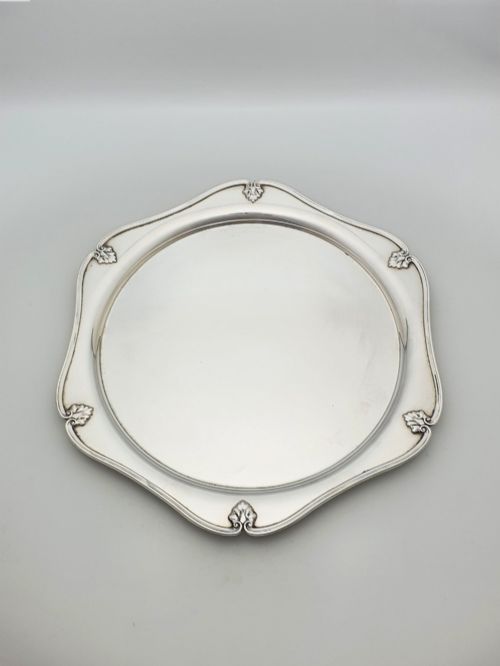
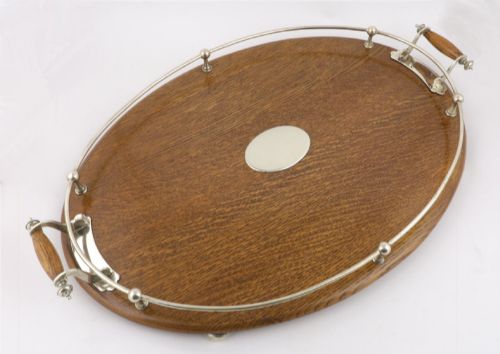
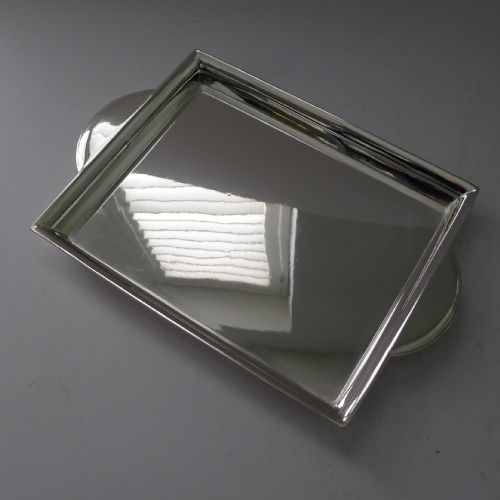
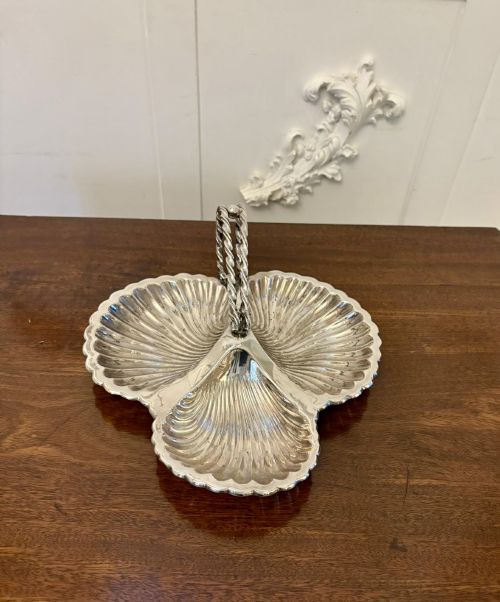
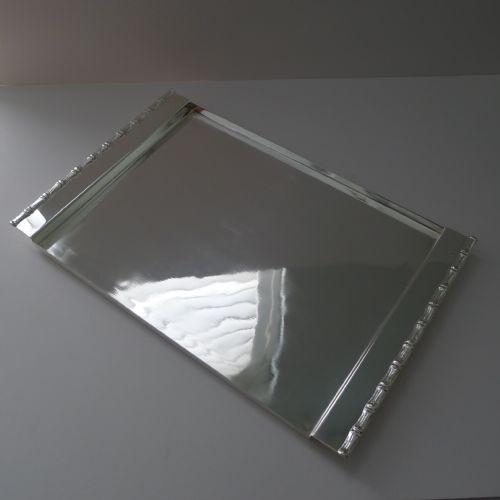
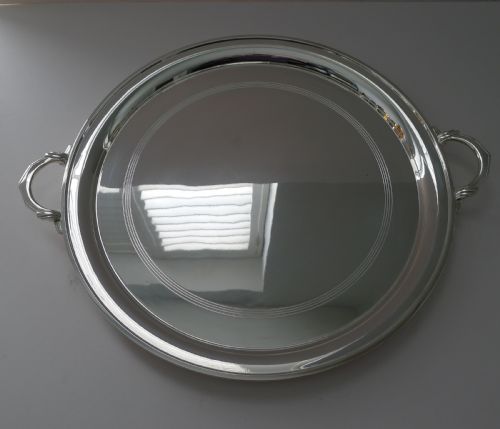
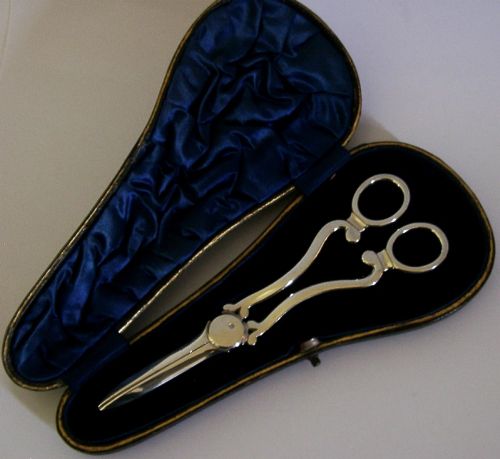
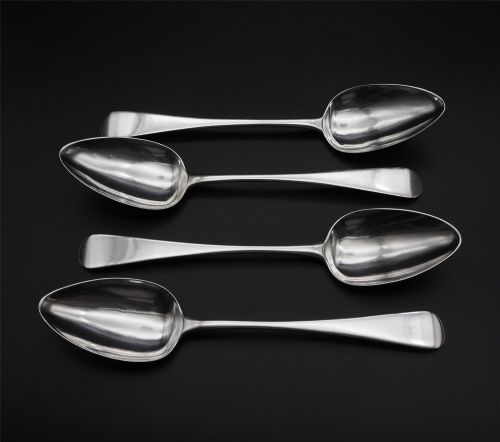
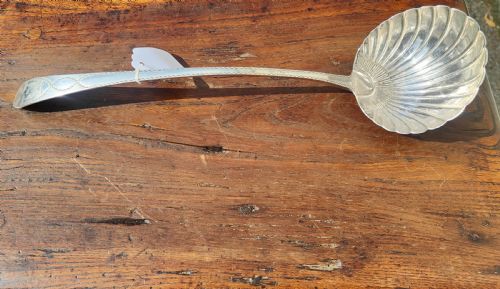
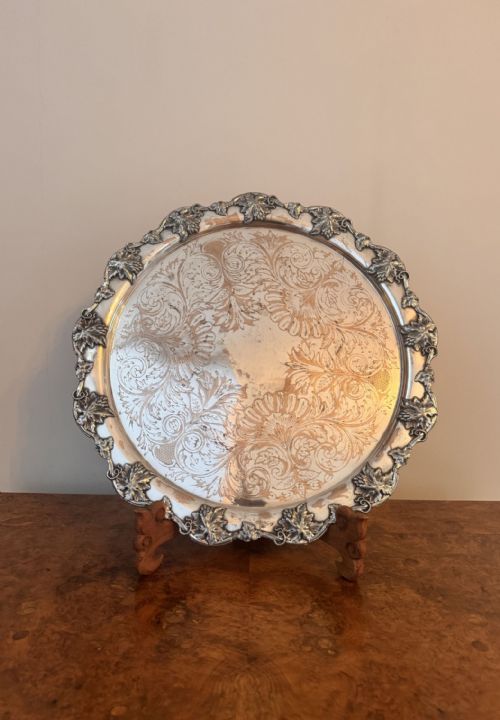
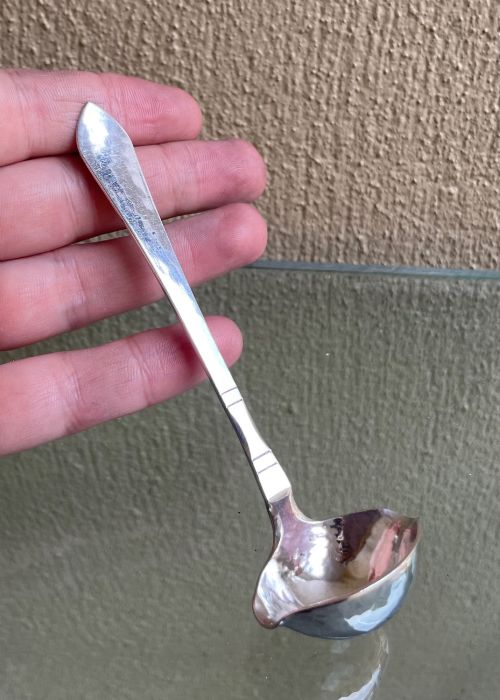
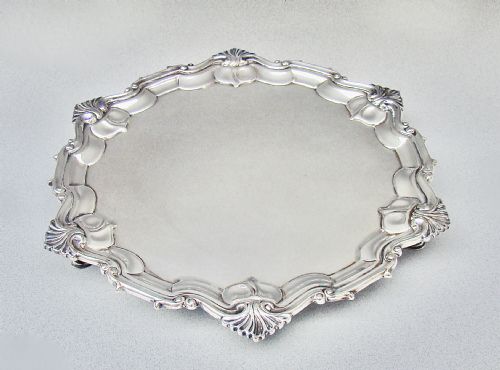
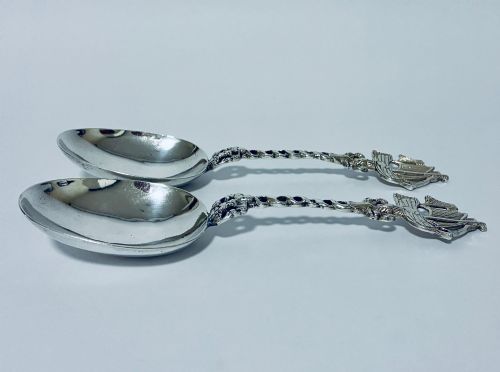
Vintage silver serving encompasses a broad sweep of functional objects designed for presentation at the table, spanning the Georgian era through to the mid-twentieth century. Buyers searching this phrase encounter everything from large gallery trays and salvers to specialised utensils like grape shears, asparagus tongs, and sauce ladles.
The objects originate from diverse European and British workshops, reflecting domestic dining habits from the nineteenth and twentieth centuries. Silver plate and sterling silver dominate the selection, appearing alongside secondary materials such as mahogany, velvet, and glass in mixed-media serving items.
Materials and Techniques
Makers utilised solid sterling silver alongside base metals coated in silver plate or electroplated nickel silver to achieve durable yet lustrous surfaces. Manufacturing methods combined traditional hand-working techniques like piercing, engraving, and chasing with industrial plating processes common in large Victorian and Edwardian factories.
Details such as bamboo handles, wooden bases, shell inlay, and gilt accents required specialised carpentry and metal-joining skills. Utensils often paired silver bowls or blades with handles shaped from antler horn, agate, or specialised metal patterns.
Listings span periods from the eighteenth century to the mid-twentieth century, featuring sterling silver, silver plate, mahogany, and velvet.
Assessing Quality
The division between standard production ware and superior pieces rests on the weight of the metal, the crispness of chased or engraved decoration, and the integrity of the underlying construction. Substantial gauge silver and deep, hand-cut piercing on galleries or fruit baskets indicate higher workshop standards.
Renowned makers and designers apply considered proportions and robust mounting for handles and feet, ensuring that large serving trays and trolleys remain balanced and rigid under use. The survival of original gilding and uncompromised silver plating over base metal also separates better preserved items from heavily worn examples.
Mappin & Webb·Georg Jensen·James Deakin·William Hutton & Sons·Christofle·Goldsmiths & Silversmiths Co·Viners of Sheffield·Christian Dior
The Vintage Silver Serving Glossary
- Salver
- A flat tray, typically circular and raised on feet, used for serving drinks or presenting items.
- Gallery tray
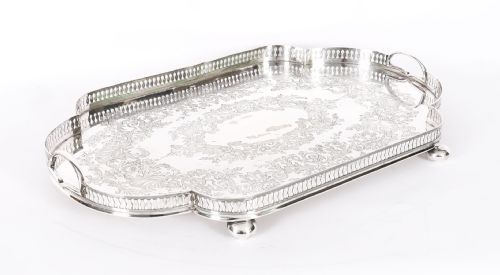
- A tray featuring an openwork or solid raised metal rim around the perimeter, often pierced with geometric or floral motifs.
- Quaich
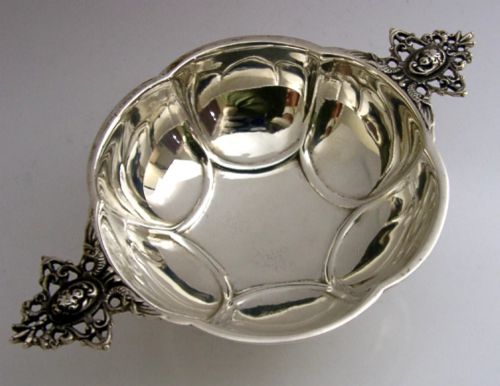
- A traditional two-handled shallow drinking vessel or small bowl originating in Scotland, utilised here in solid silver barware.
- EPNS
- Electroplated nickel silver, a common base metal foundation beneath a thin coat of silver seen on many nineteenth and twentieth-century items.
Vintage Silver Serving: Frequently Asked Questions
How do I clean silver serving trays?
Use a specialised silver cloth or mild polish formulated for plated or sterling items to remove tarnish gently. Avoid abrasive scourers that can strip thin silver layers from base metals.
Store pieces in dry environments away from direct sunlight and humidity to minimise future oxidation.
Were gallery trays meant for daily dining?
Gallery trays with raised pierced rims served primarily for tea service presentation and moving glassware safely between rooms. Their delicate borders protected cups and teapots from sliding off during transport.
Heavier plain salvers and large platters handled more frequent everyday dining tasks in period households.
What is the difference between sterling and silver plate?
Sterling silver consists of a solid precious metal alloy containing a high percentage of pure silver throughout its entire mass. Silver plate utilises a base metal core, such as copper or nickel silver, coated with a thin external layer of pure silver.
Both materials share a bright appearance, but solid pieces carry distinct hallmarks certifying their metallic composition.
How are serving periods identified?
Makers marked their output with specific hallmarks, stamped ciphers, and registry numbers that correspond to active working dates. Stylistic cues like Victorian scrollwork, Edwardian pierced galleries, and Art Deco geometric handles also point to distinct decades of manufacture.