

Vintage Silver Ring
When you search for a vintage silver ring, you encounter decades of design from delicate Edwardian cluster settings to bold mid-century modernist statements.
Vintage Silver Ring
A vintage silver ring spans multiple periods including Victorian, Edwardian, Art Deco, and mid-century modern styles. When exploring this phrase, buyers discover finger adornments featuring various forms from simple eternity bands to intricate cluster settings.
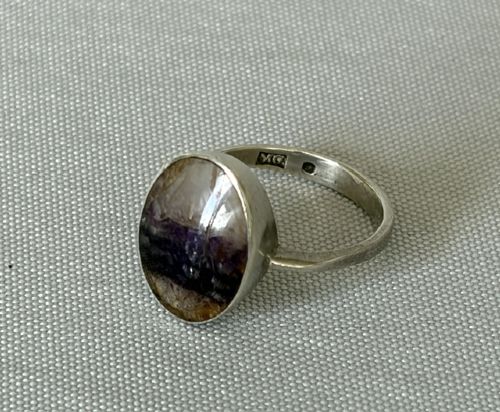
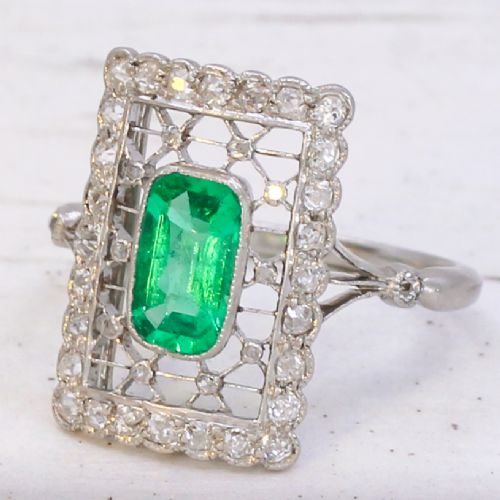
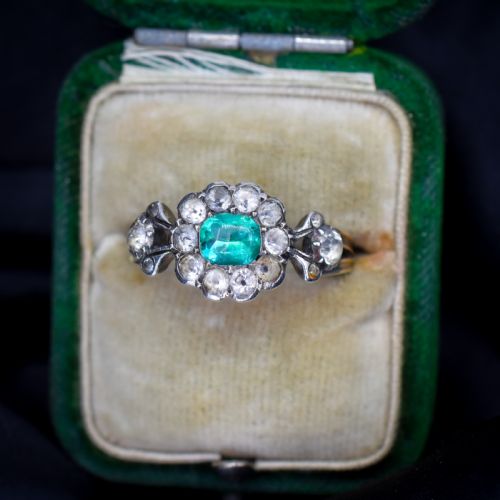
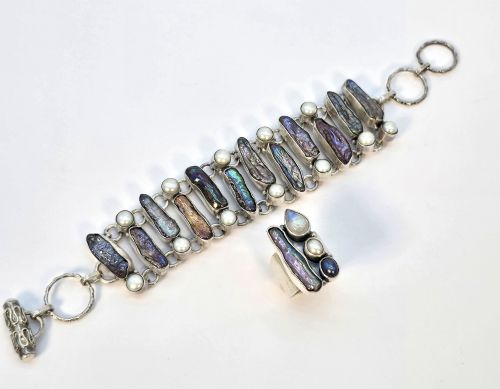
The materials utilised alongside sterling silver range from precious gemstones like emerald, sapphire, and diamond to decorative elements such as blue john, moonstone, and paste stones.
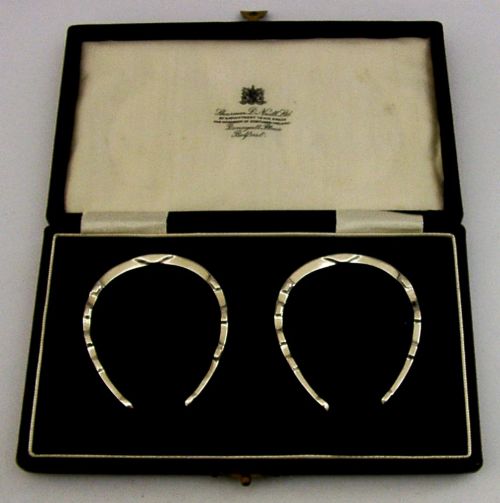
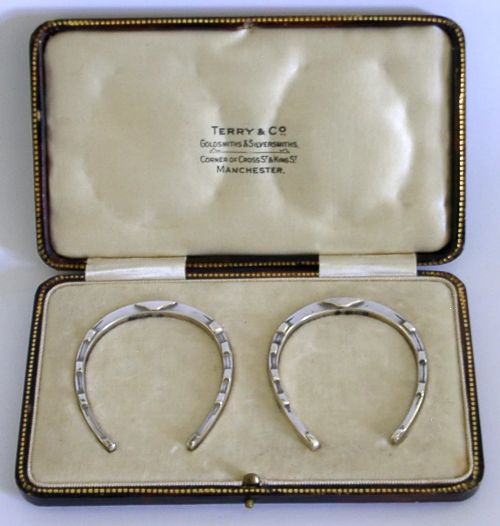
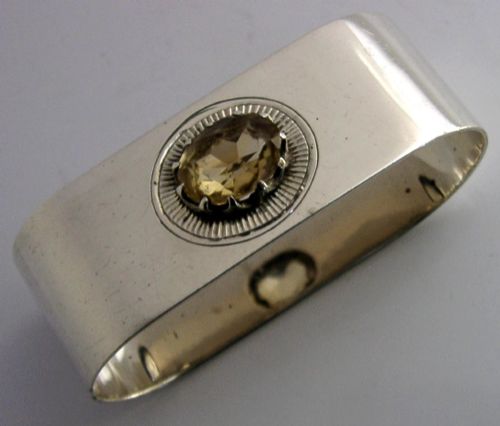
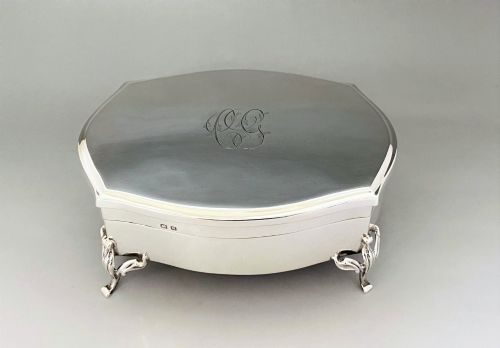
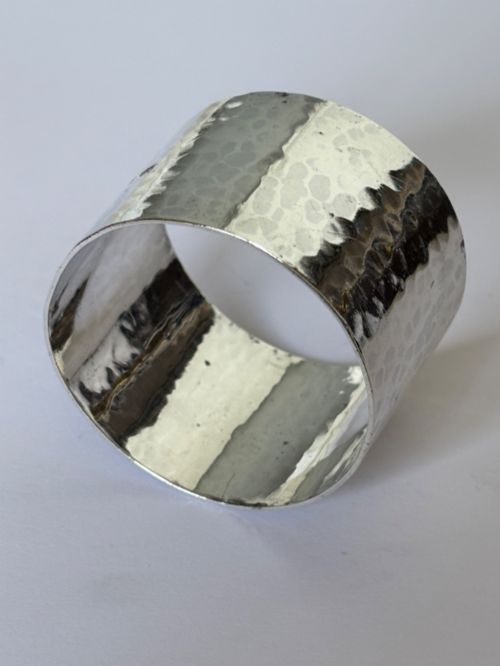
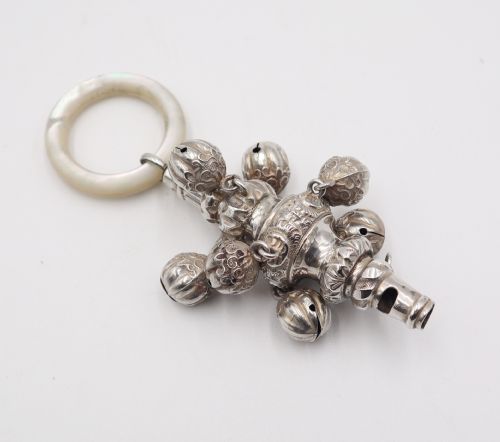
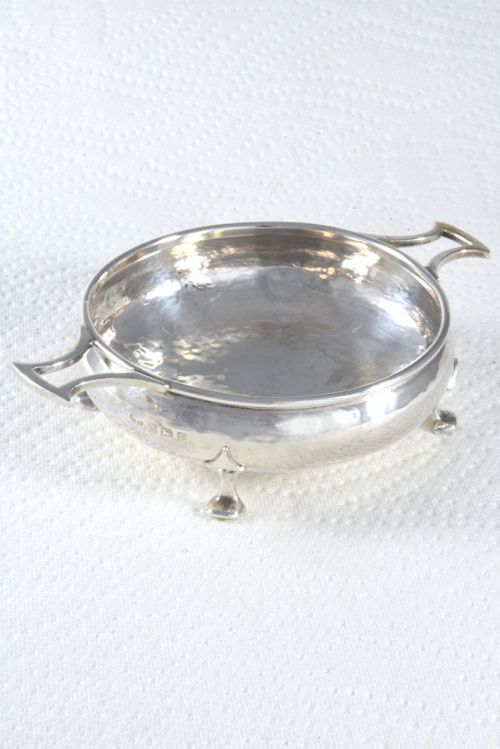
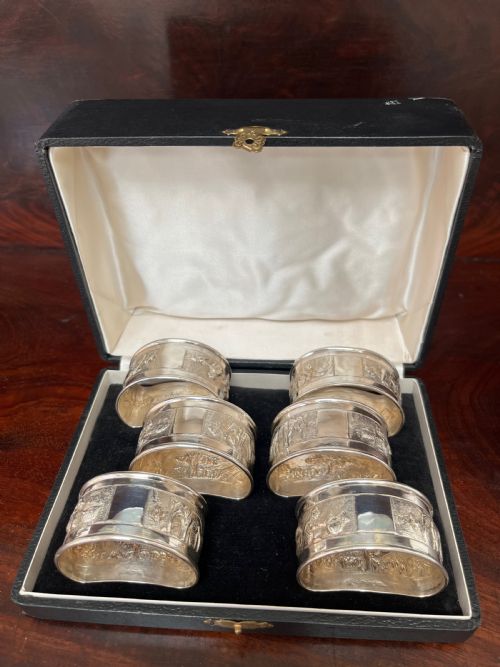
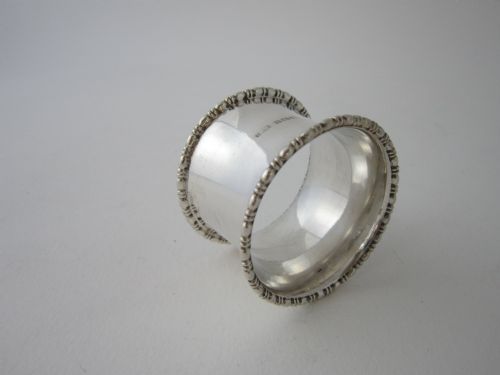
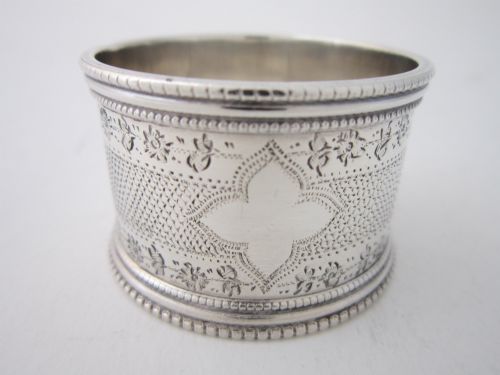
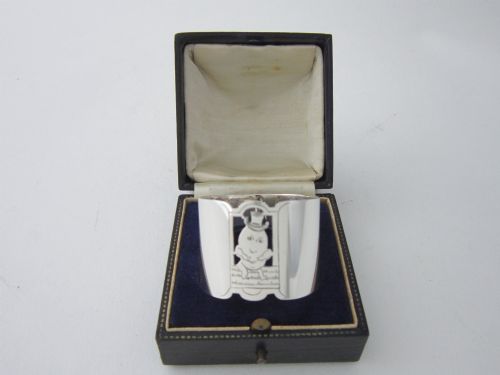
While the search term brings up finger jewellery, the category naturally overlaps with other silver artefacts like napkin rings and trinket boxes due to shared keywords in the inventory.
How They Were Made
Maker techniques combine sterling silver or gold and silver combinations with hand-set gemstones including rose-cut diamonds, emeralds, and cabochon moonstones.
Construction methods range from cast settings and pierced decorative work to specialised granulation and bezel settings that secure the central stones.
Snake rings coil around the finger with surprising charm, echoing Victorian symbolism where serpents represented eternal devotion and wisdom.
What Varies In Quality
The standard of a ring depends upon the precision of the stone setting and the clarity of the metal hallmarks stamped into the band.
Design complexity separates standard production pieces from intricate hand-wrought artisan creations featuring detailed filigree or specific modernist motifs.
Niels Erik From·David Andersen·Georg Jensen·R. E. Stone·Edith Linnell
The Vintage Silver Ring Glossary
- Sterling silver
- An alloy of silver containing parts of other metals, typically copper, to increase durability while maintaining a bright lustre. This standard material forms the foundation of most wearable silver pieces.
- Cabochon
- A gemstone shaped and polished with a smooth convex surface rather than faceted. This cutting style highlights the natural optical phenomena of stones like moonstone and blue john.
- Paste
- Hand-cut glass used to imitate gemstones in antique jewellery. High-grade historical paste stones exhibit impressive light refraction and depth.
- Cluster ring
- A ring design featuring a central gemstone surrounded by a ring of smaller stones. This arrangement maximises visual impact and sparkle.
- Eternity band
- A ring set continuously with gemstones symbolising endless affection. Metal versions utilise consistent settings around the entire circumference of the band.
Vintage Silver Ring: Frequently Asked Questions
How do I clean an antique silver ring safely?
Clean sterling silver bands using a soft microfibre cloth to remove daily tarnish without damaging softer gemstones. Avoid abrasive dips that can strip historical patina or harm delicate stones like turquoise and pearl.
Store pieces individually in fabric pouches to prevent scratching from harder metals or diamond set rings in your collection.
Can I resize a vintage silver ring?
Most solid sterling silver and gold-backed rings can be adjusted by a skilled jeweller depending on the shank thickness and stone settings. Rings with continuous channel-set stones or complex side decoration often present greater adjustment challenges.
Consult a professional who examines the structural integrity of the shoulders and gallery before attempting any modifications.
What does sterling silver mean on a ring?
Sterling silver indicates a specific metal purity standard containing high silver content combined with strengthening alloys. This composition provides the necessary rigidity for detailed stone settings while resisting daily wear.
Look for stamped hallmarks inside the band to verify the standard and identify the assay office or period of manufacture.
How do I identify the period of a silver ring?
Dating relies upon stylistic markers such as the geometric lines of Art Deco, the organic motifs of Arts and Crafts, or the ornate scrollwork of the Victorian era. Hallmarks, maker marks, and the specific cut of the gemstones provide definitive chronological clues.
Comparing setting techniques across different decades helps narrow down the exact era of production.