





Vintage Silver Memorabilia
Vintage silver memorabilia brings tangible history to your desk or cabinet, celebrating railways, sports, and state occasions through solid metals and detailed craftsmanship.
Vintage Silver Memorabilia
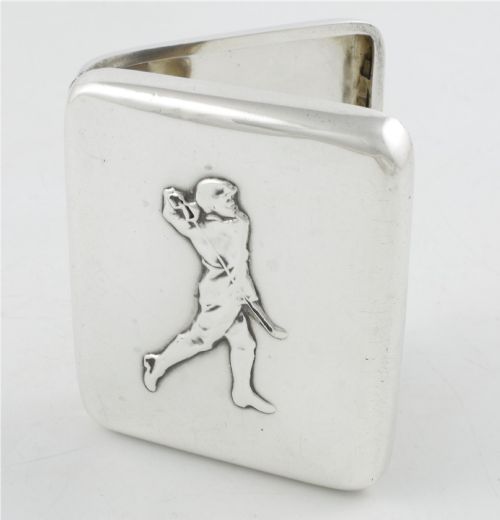
Vintage silver memorabilia spans social history, railway operation, and competitive sport, capturing specific moments in time through tangible objects. When you search for vintage silver memorabilia, you encounter items ranging from presentation cigarette cases and railway pocket watches to commemorative plaques and sporting medals.
The objects on this page draw from periods including the Victorian era, Edwardian years, Art Deco decades, and mid-century milestones. You will find items tied to organizations such as railway networks, football clubs, and royal jubilees, each carrying specific inscriptions or hallmarks.
How vintage silver memorabilia pieces were made
Makers utilised sterling silver and silver plate over base metals, combining casting, stamping, and hand engraving to shape cigarette cases, gavels, and picture frames. Enamel work frequently adds colour to badges and frames, fusing powdered glass to metal under high heat.
Wooden elements appear in stepped frames and walking sticks, while glass and velvet complement metal components in display pieces and compacts. Structural joins rely on traditional soldering and mechanical fittings appropriate to each period's workshops.
Vintage Silver Memorabilia Retail Price Guide 2026
Typical asking prices for vintage silver memorabilia among the pieces listed under this phrase on Sellingantiques today, from the lower quarter to the upper quarter. They describe what is for sale here now, not the wider market.
A retired flying model of a Ryan STM monoplane shares space with walking sticks shaped like golf clubs.
What varies in quality in vintage silver memorabilia
The standard of a piece rests on the crispness of its engraving, the depth of relief in cast motifs, and the preservation of original surfaces. Maker marks and clear hallmarks indicate workshop origin and silver purity, distinguishing standard production items from bespoke presentation pieces.
Design execution separates basic utility items from sophisticated artistic expressions, particularly in pieces featuring complex enamel work or specialised novelty forms like railway lamps and sporting gear.
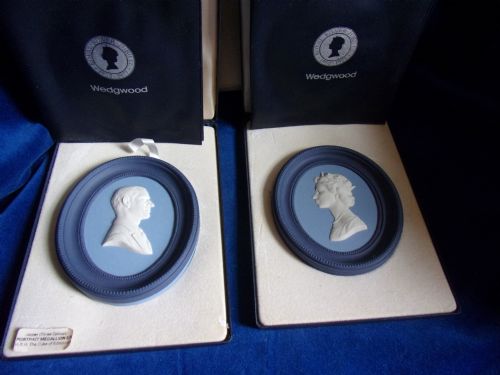
Elkington and Co·Wedgewood·Royal Doulton·Rowan Glasgow
The Vintage Silver Memorabilia Glossary
- Sterling silver
- An alloy containing 925 parts of pure silver per thousand. This standard is marked by specific symbols on British and American pieces.
- Silver plate
- A layer of silver fused to a base metal core such as copper or nickel brass. This technique offered durable luxury at a lower cost.
- Hallmark
- A series of official marks stamped on precious metals indicating the maker, assay office, and year of testing. These marks provide definitive historical dating.
- Enamel
- A glassy substance melted onto metal surfaces for decoration and colour. It requires careful firing to achieve a smooth finish.
- Gavel
- A small ceremonial mallet used by a presiding officer to call a meeting to order. These objects often bear presentation inscriptions.
Vintage Silver Memorabilia: Frequently Asked Questions
What periods do these pieces cover?
The collection spans from the late Victorian period through the Edwardian era, the Art Deco decades of the 1920s and 1930s, and into the mid-century years.
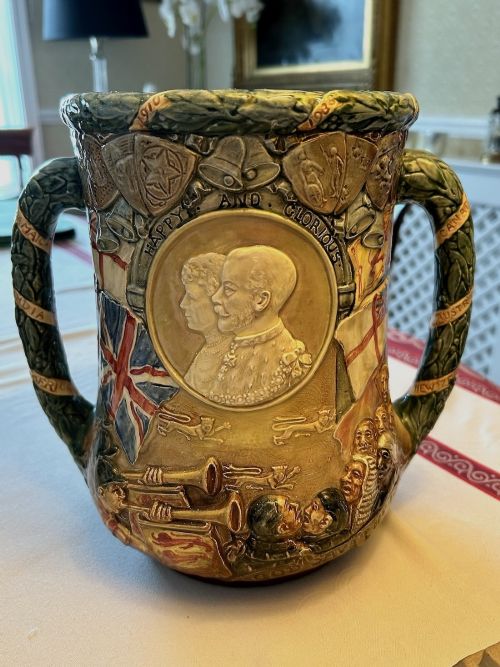
Individual items reflect specific historical milestones, such as royal jubilees, railway expansions, and historical sporting events.
How do I identify railway memorabilia?
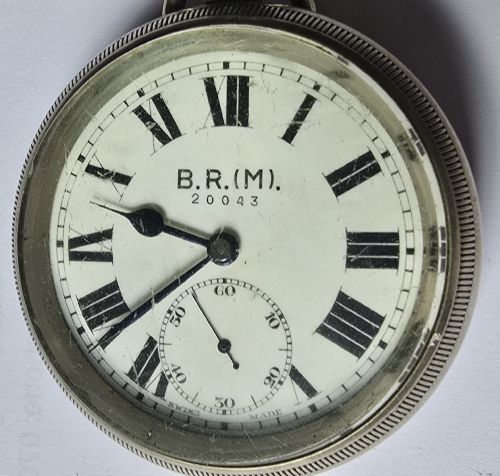
Railway pieces often bear specific company lettering or region stamps, such as the South Eastern and Chatham Railway or British Rail.
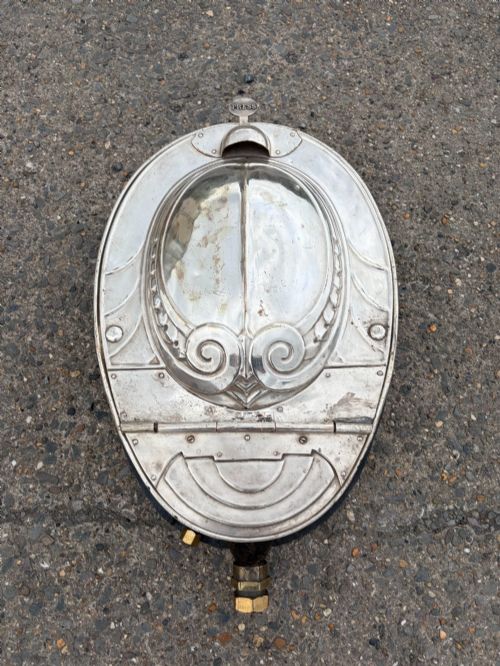
Items range from station master pocket watches and lanterns to silver-plated sinks from sleeping compartments.
What materials are commonly used?
Items are primarily constructed from sterling silver and silver plate, frequently paired with glass, enamel, wood, and velvet.
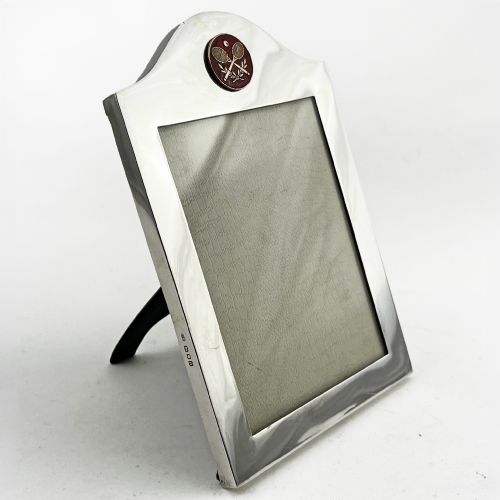
Enamel appears on badges and picture frames, while wood forms the structure of display plaques and framed portraits.
How were sports memorabilia items presented?
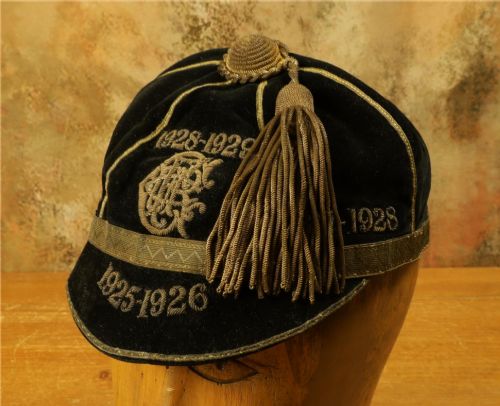
Sports memorabilia often took the form of engraved medals, presentation cigarette cases, photo frames, and specialised caps or pins.
Competitions in football, golf, and tennis generated commemorative items inscribed with dates and club names.