






Vintage Silver Lid Pot
These vintage silver lid pot pieces combine precious metal mounts with glass, ceramic or crystal bodies to store everything from cosmetics to condiments.
Vintage Silver Lid Pot
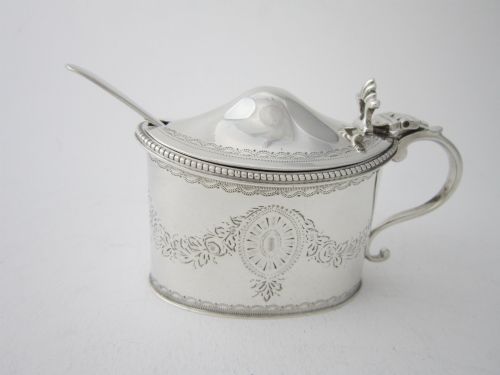
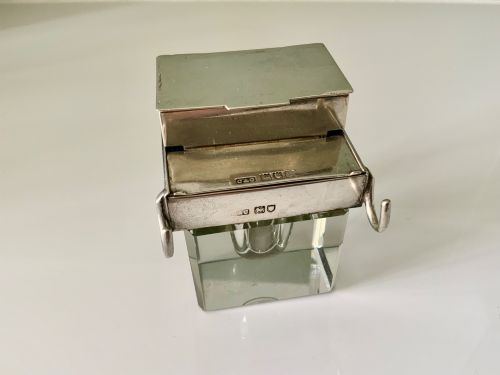
When you search for a vintage silver lid pot, you encounter an array of functional vessels spanning trinket boxes, vanity jars, inkwells, mustard pots, biscuit barrels, preserve pots, tea caddies and lidded jars. These items date from the Georgian era through the Victorian period, Edwardian years, and onward into the mid-twentieth century including Art Deco designs.
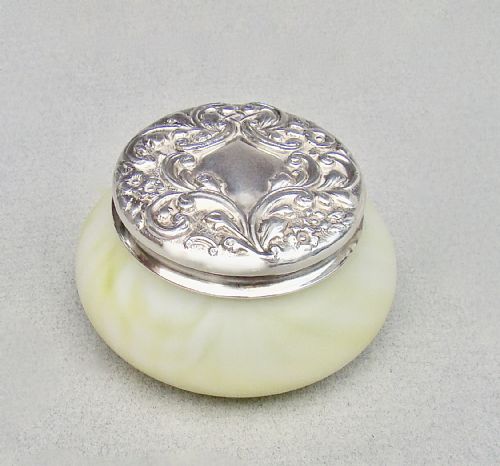
The most common examples on this page pair a sterling silver or silver-plate lid with a cut glass, crystal or coloured glass body, often featuring decorative enamel work. You will also find solid silver containers and ceramic or glass jars mounted with hallmarked silver rims and covers.
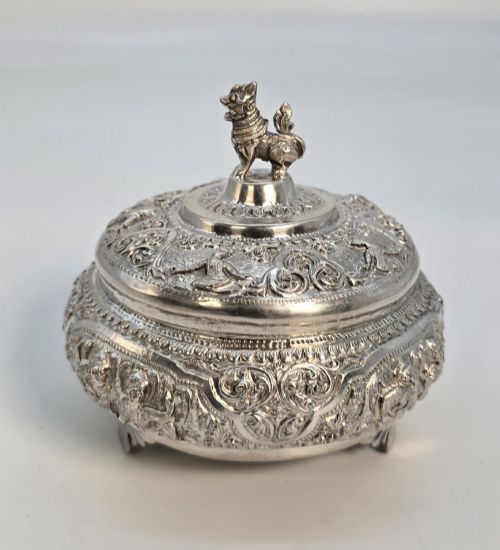
Origins vary from English makers in Birmingham, Sheffield and London to Anglo-Indian workshops from the Raj period. Whether intended for a dressing table, a desk or a dining table, each piece serves a domestic storage purpose defined by its fitted silver lid.
Materials and construction methods
The body of a vintage silver lid pot relies primarily on glass or crystal, shaped through facet cutting, overlay techniques or blown methods into satin glass, cranberry glass, kralik glass and amethyst glass. Ceramic and porcelain bodies also appear alongside metal structures.
Lids and mounts are constructed from sterling silver or silver plate, frequently bearing hallmarks that record the assay office, such as Birmingham or Sheffield, and the year of manufacture. Artisans secured these components using hinged mounts or threaded rims, incorporating blue glass liners or tortoiseshell where appropriate.
Surface decoration involves hand engraving, floral designs and applied blue or pink guilloche enamel. Some pieces integrate woven handles or specialised interiors designed for ink, glue or condiments.
Vintage Silver Lid Pot Retail Price Guide 2026
Typical asking prices for vintage silver lid pot among the pieces listed under this phrase on Sellingantiques today, from the lower quarter to the upper quarter. They describe what is for sale here now, not the wider market.
Listings feature sterling silver and silver plate paired with cut glass, cranberry glass, ceramic, enamel and tortoiseshell across multiple decades.
Evaluating craftsmanship and condition
Quality in a vintage silver lid pot rests upon the weight and purity of the silver mount, the clarity of the crystal or glass body, and the precision of the hallmarking. Thicker gauge silver and crisp, deep hand engraving indicate superior manufacturing standards.
The integration between the metal lid and the glass or ceramic base dictates the structural integrity of the piece. Snug hinges, well-fitted internal glass liners, and undamaged enamel or tortoiseshell panels elevate the standard of the item.
Artistic execution in decorative elements, such as intricate guilloche enamel work or specialised glass types like kralik and cranberry glass, distinguishes standard domestic wares from finer cabinet pieces.
A. J. Pepper & Co·A. Bromet & Co·Walker & Hall·Asprey
The Vintage Silver Lid Pot Glossary
- Hallmark
- Official stamps struck on precious metals to certify purity, origin city and assay year. These marks provide the primary evidence for dating British silver.
- Guilloche enamel
- Decorative metal surface covered with translucent enamel over an engraved geometric pattern. This technique creates a radiant, engine-turned background popular in Art Deco vanity items.
- Capstan inkwell
- A desk accessory shaped like a ship's capstan, featuring a wide base that tapers toward the top. The design prevents the inkwell from tipping over during use.
- Cranberry glass
- Rich red transparent glass produced by adding gold chloride to the molten batch. It appears frequently in Edwardian trinket boxes and decorative jars.
- Trinket box
- A small lidded container designed for holding jewellery or small personal accessories. These vessels often feature fitted glass bases and hinged silver covers.
Vintage Silver Lid Pot: Frequently Asked Questions
What were these lidded pots used for?
These vessels served diverse domestic functions depending on their form, ranging from dressing table jars for cosmetics and trinkets to desk accessories like inkwells and glue pots. Dining rooms utilised mustard pots, preserve jars, tea caddies and biscuit barrels with protective silver lids.
Over time, many of these utilitarian objects transitioned into purely decorative display pieces or specialised storage containers for small personal items.
How can I tell the age of the silver?
British silver mounts carry hallmarks that decode the exact year of manufacture through designated date letters. Assay office symbols, such as the anchor for Birmingham or the crown for Sheffield, confirm where the piece was tested.
Stylistic cues like Art Deco geometric patterns or Edwardian glass treatments also help narrow down the production decade when hallmarks are rubbed or absent.
What is cranberry glass?
Cranberry glass is a distinctive transparent red glass created by introducing gold into the molten glass mixture. It gained popularity during the Victorian and Edwardian periods for decorative tableware and vanity items.
When paired with a sterling silver lid, the deep pinkish-red hue creates a striking contrast that collectors frequently seek out.
How do I care for silver and glass?
Maintenance involves gentle cleaning of the silver mounts using a specialised non-abrasive polish to preserve the hallmarks and engravings. Care must be taken to avoid getting polish on the glass, enamel or tortoiseshell portions.
Glass bodies and liners wash safely in warm soapy water, provided extreme temperature changes are avoided to prevent cracking historical material.