




Vintage Silver Jewellery Container
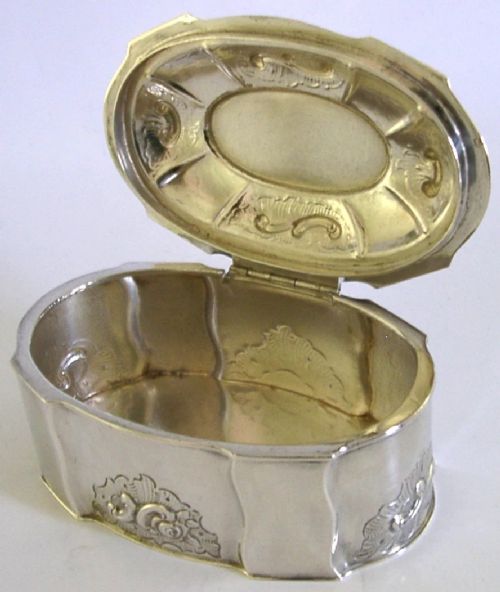
A vintage silver jewellery container keeps your small keepsakes secure while bringing period craftsmanship to the dressing table.
Vintage Silver Jewellery Container
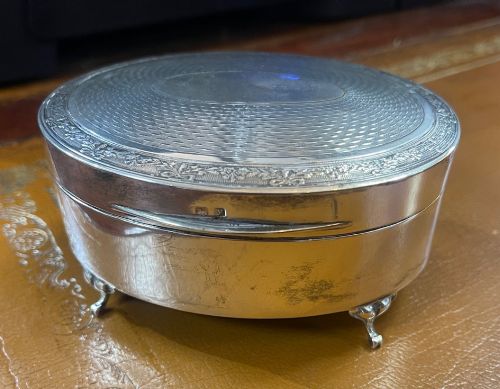
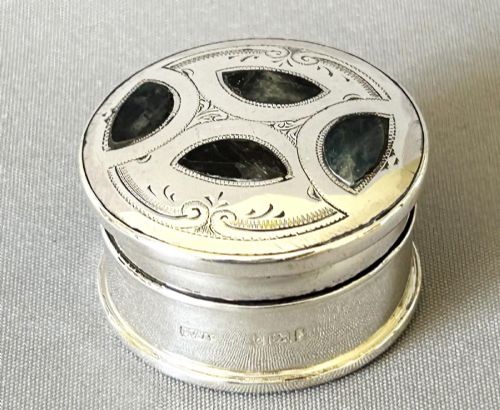
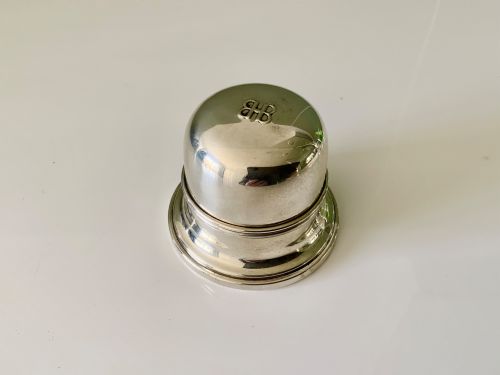
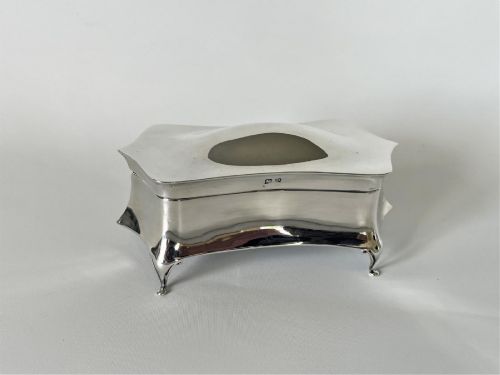
A vintage silver jewellery container encompasses everything from small heart-shaped trinket boxes to substantial dressing table caskets. These pieces emerge across several distinct periods, including the Victorian era, Edwardian years, and the mid-century decades.
You are most likely to encounter sterling silver and silver-plated boxes in forms ranging from traditional hinged caskets to round and heart-shaped containers. Regional variations appear frequently, featuring Anglo-Indian, Asian export, and Scandinavian mid-century designs alongside standard British hallmarks.
Makers utilise diverse materials within this category, pairing precious metals with cut glass, ebonised wood, and base metals. The objects function primarily as decorative storage for rings, cufflinks, and small precious items.
How they were made
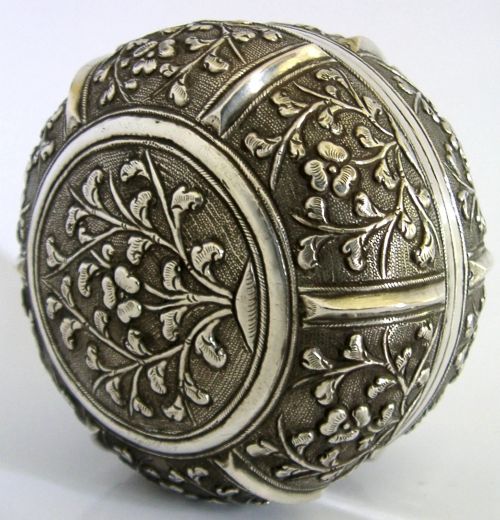
Silversmiths constructed these containers using solid sterling silver or applied silver plate over base structures, frequently incorporating hand-hammered details and chased ornamentation. Artisans shaped sheet metal through raising and spinning techniques before attaching decorative lids and hinged fittings.
Interior arrangements often feature fitted wooden bases, such as ebonised wood, or glass compartments designed to protect delicate contents. Master craftsmen also combined cut glass bodies with heavy silver mounts, securing the collars with specialised adhesives and precise mechanical fits.
Vintage Silver Jewellery Container Retail Price Guide 2026
Typical asking prices for vintage silver jewellery container among the pieces listed under this phrase on Sellingantiques today, from the lower quarter to the upper quarter. They describe what is for sale here now, not the wider market.
Listings feature items spanning the nineteenth century through the mid-twentieth century, incorporating sterling silver, silver plate, cut glass, and ebonised wood.
What varies in quality
The distinction between standard containers and superior examples rests on metal weight, structural integrity, and the execution of surface decoration. Heavier gauges of sterling silver provide greater durability and resist denting far better than thinner alternatives or plated wares.
Artistic collaboration elevates certain pieces significantly, particularly when produced by renowned designers or major silversmithing firms. Furthermore, crispness in chased relief work and the smooth operation of original hinges indicate superior manufacturing standards.
Sigvard Bernadotte for Georg Jensen·Henry Williamson Ltd
The Vintage Silver Jewellery Container Glossary
- Sterling silver
- An alloy consisting of ninety-two point five percent silver by mass, with the remainder usually copper. This standard composition provides the necessary hardness for intricate box construction whilst maintaining precious metal purity.
- Hallmark
- An official stamp applied to precious metals indicating fineness, origin, and maker. These marks allow collectors to verify the authenticity and exact period of manufacture.
- Chasing
- A metalworking technique where the artisan pushes metal from the front using hammer and punches to create raised surface designs. This method decorates many traditional boxes without removing material.
- Ebonised wood
- Timber treated with a special stain or finish to imitate the dense, dark appearance of ebony. Makers frequently utilised this material for box interiors and complementary storage trays.
- Pandân box
- A traditional Asian container originally used for holding betel leaf preparations and masticatories. These often feature elaborate repoussé or chased silver decoration.
Vintage Silver Jewellery Container: Frequently Asked Questions
How do I date a silver trinket box?
Dating relies primarily on official assay office hallmarks stamped into the metal, which indicate the exact year of testing and the maker's mark. Stylistic clues such as Art Deco geometric lines or Victorian chased floral motifs also help narrow down the period.
Construction methods further clarify age, as earlier pieces often feature hand-cut joints and bespoke hinges. Examining secondary materials like ebonised wood or cut glass provides additional chronological context.
Are these boxes made of solid silver?
Materials vary across the selection, encompassing both solid sterling silver and silver-plated base metals. Listings specify the exact metal composition to distinguish between precious solid pieces and plated alternatives.
Weight often serves as an initial indicator of solid construction, alongside official hallmarks confirming sterling standard purity. Some examples also combine silver with cut glass or wooden elements.
How do I care for a silver jewellery box?
Maintenance involves gentle cleaning with a soft microfibre cloth to remove dust and prevent tarnish accumulation. Harsh chemical polishes should be avoided, especially on antique pieces with delicate chased details or plated surfaces.
Keeping the container away from direct moisture and handling it by the edges preserves both the metal finish and any internal linings. Regular, light maintenance maintains the historic surface appearance without stripping the aged patina.