







Vintage Silver Cart
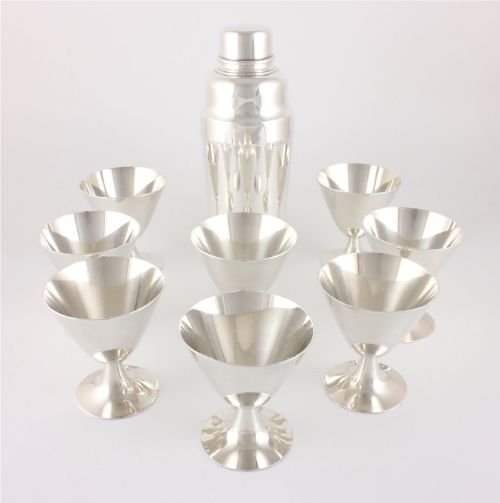
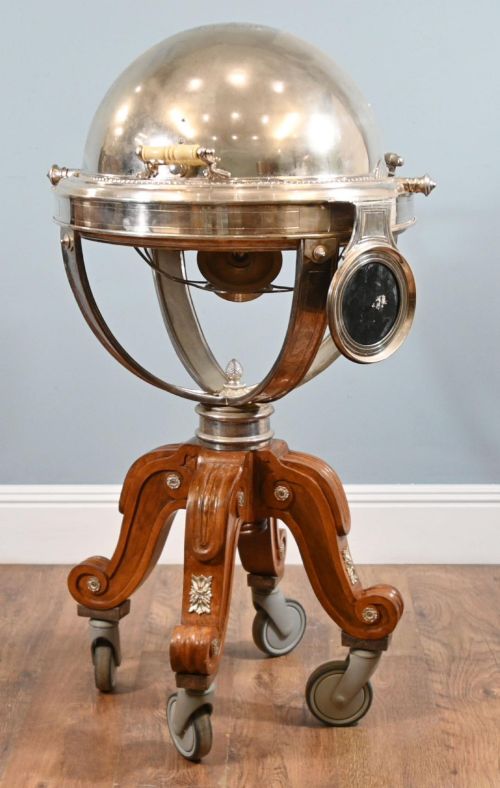
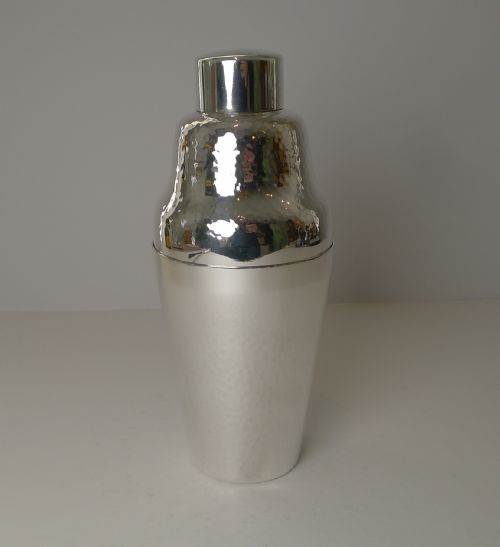
These vintage silver cart options include drinks trolleys, serving trays, and cocktail shakers designed to serve beverages in style.
Vintage Silver Cart
A vintage silver cart encompasses items such as drinks trolleys, bar carts, and serving trays utilised for hosting and beverage service. The selection spans diverse periods from the Edwardian era through the 1960s, capturing shifts in domestic entertaining over six decades.
Buyers will encounter wheeled hostess trolleys alongside static serving trays and barware like cocktail shakers. The forms range from traditional Edwardian and Victorian novelty designs to streamlined Art Deco pieces and Mid-Century Modern creations.
The most common iterations on this page are Art Deco chrome and silver-plated drinks trolleys from the 1930s, accompanied by substantial silver plate cocktail shakers and gallery trays. These pieces reflect the prominent social entertaining trends of their respective decades.
Assessing quality in construction
Quality separates items through the weight of the metal, the solidity of the frame, and the integration of components like integral lemon squeezers or multi-tiered structures. Superior pieces display crisp detailing on gallery edges and robust joints on wheeled trolleys.
The refinement of materials, such as cobalt blue mirror glass or inlaid mahogany paired with silver plate, distinguishes finer examples from standard production. Maker attribution and well-executed modernist or traditional styling further elevate the standard of the piece.
Vintage Silver Cart Retail Price Guide 2026
Typical asking prices for vintage silver cart among the pieces listed under this phrase on Sellingantiques today, from the lower quarter to the upper quarter. They describe what is for sale here now, not the wider market.
Some cocktail shakers go beyond simple mixing vessels by incorporating engraved recipes or built-in lemon squeezers for the prepared host.
J. B. Chatterley & Sons·James Dixon & Sons·C S Green & Co.·Asprey·Gaskell & Chambers·Carl Deffner
The Vintage Silver Cart Glossary
- Silver Plate
- A base metal coated with a layer of silver. This technique offered the visual appeal of solid silver at a more accessible cost for serving items.
- EPNS
- Electroplated Nickel Silver. A common base metal alloy used beneath silver plating in many twentieth-century barware and trays.
- Hostess Trolley
- A wheeled cart designed to transport and serve drinks or food. These units frequently feature multiple tiers and glass or mirror surfaces.
- Gallery Tray
- A tray featuring an elevated pierced or solid border around the edge. This barrier prevented glassware from sliding off during transit.
- Cocktail Shaker
- A vessel used to mix drinks by shaking, often fitted with built-in strainers or integral lemon squeezers. Examples from this period frequently display Art Deco styling.
Vintage Silver Cart: Frequently Asked Questions
What is a vintage silver cart?
A vintage silver cart generally refers to drinks trolleys, bar carts, and serving equipment utilised for entertaining. These pieces span from Edwardian designs to Mid-Century Modern creations.
They combine metal frames in silver plate or chrome with glass, mirror, or wood surfaces to facilitate beverage service.
How were drinks trolleys used?
Drinks trolleys served as mobile stations for holding glassware, bottles, and cocktail shakers during gatherings. Hosts rolled them between rooms to supply guests with refreshments.
They functioned as both practical furniture and decorative statements within the home.
How do I date a silver cart?
Dating relies on stylistic markers, materials, and manufacturing techniques present in the piece. Edwardian items often feature traditional flourishes, whereas 1930s examples lean towards Art Deco chrome and modernist lines.
Maker marks and specific construction methods also help narrow down the decade of production.
How do I care for silver plated barware?
Silver plated items require gentle cleaning with appropriate silver care products to maintain their finish without damaging the plating. Avoid harsh abrasives that can wear away the thin silver layer over time.
Glass and mirror components should be cleaned with standard non-ammonia glass cleaner to preserve the reflective surfaces.