



Vintage Silver Card Tray
A vintage silver card tray is a small serving piece designed for calling cards, combining decorative metalwork with domestic utility.
Vintage Silver Card Tray
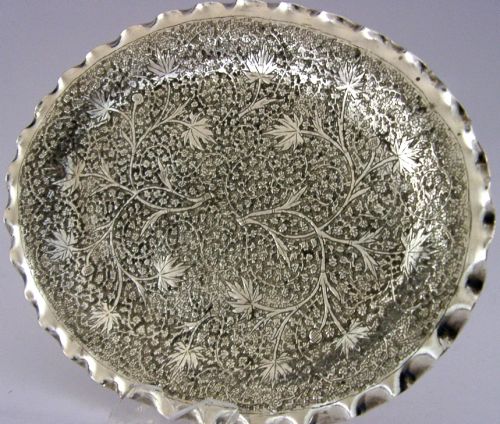
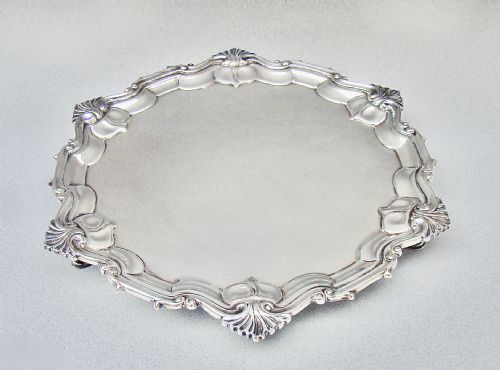
A vintage silver card tray encompasses small serving dishes, salvers, and bowls produced across the nineteenth and twentieth centuries. These pieces appear in forms ranging from simple leaf shapes and hexagonal plates to elaborate figural designs.
The selection includes examples from Victorian, Edwardian, Art Nouveau, and Art Deco periods, alongside regional styles such as Anglo-Indian and Chinese export work. Buyers most frequently encounter silver-plated salvers and pewter card trays featuring figural maiden motifs.
Objects catalogued under this term function as decorative dishes or card boxes with rising trays, reflecting the social habits of their original periods. Origins span British silversmiths, European manufacturers, and international workshops.
Materials and manufacturing methods
Makers utilised solid sterling silver, silver plate, electroplated nickel silver, pewter, and Britannia metal to construct these trays and dishes. Solid silver and sterling examples demonstrate traditional smithing and casting techniques.
Plated items rely on applying a silver layer over base metal or nickel silver substrates, while pewter and Britannia metal pieces take shape through detailed mould casting. Certain items incorporate decorative elements such as guilloche enamel.
Stylistic ornamentation includes hand-hammered surfaces, applied leaf motifs, and cast figural supports depicting maidens or natural forms.
Vintage Silver Card Tray Retail Price Guide 2026
Typical asking prices for vintage silver card tray among the pieces listed under this phrase on Sellingantiques today, from the lower quarter to the upper quarter. They describe what is for sale here now, not the wider market.
Listings for this phrase include items produced in solid silver, silver plate, pewter, and Britannia metal across various European and international workshops.
Distinguishing quality in metalwork
The standard of a vintage silver card tray depends upon the precision of its cast or chased ornamentation and the integrity of its material. Superior examples display crisp definition in figural elements and clean execution of decorative borders.
Weight and gauge contribute significantly to the distinction between standard production items and substantial collector pieces. Maker marks and hallmarks provide verifiable evidence of origin and metal purity.
Preservation of the original surface finish, whether silver plate, sterling, or patinated pewter, influences the overall integrity of the piece.
William Hutton and Sons·Tiffany and Co·WMF·John Collyer Birmingham
The Vintage Silver Card Tray Glossary
- Salver
- A flat tray, usually with feet, used for serving or presenting calling cards. These typically feature raised rims and decorative engraving.
- Silver plate
- A manufacturing method involving a thin layer of silver bonded to a base metal core. This technique provided the appearance of solid silver at a lower cost.
- Guilloche enamel
- A decorative technique where translucent enamel is layered over engine-turned metalwork. It frequently appears on coloured panels of twentieth-century pieces.
- Britannia metal
- A specific type of pewter alloy composed largely of tin, antimony, and copper. It was widely utilised by European manufacturers for cast vessels and figures.
- Tazza
- An ornamental cup or shallow bowl raised on a stem and foot. This form functions as a centrepiece or display dish.
Vintage Silver Card Tray: Frequently Asked Questions
What is a card tray used for?
Originally, these trays sat in hallways to receive calling cards left by visitors in the nineteenth and early twentieth centuries. Households also utilised them for small personal items, coins, or sweets.
Today, they serve primarily as decorative accents on desks, dressing tables, or sideboards, holding small accessories.
How do I identify silver plate from solid silver?
Solid silver and sterling pieces typically bear hallmarks indicating metal purity, such as lion passant symbols or specific fineness numbers. Silver-plated items generally display manufacturer marks denoting plating techniques rather than solid metal standards.
Examining edges and high-wear points can also reveal the base metal underneath worn silver plating.
What periods are common for these trays?
The available selection spans the late nineteenth century through to the mid-twentieth century, encompassing Victorian, Edwardian, Art Nouveau, and Art Deco eras. Each period introduced distinct stylistic characteristics, from ornate Victorian salvers to geometric Art Deco forms.
Art Nouveau pieces frequently incorporate natural motifs and figural pewter supports characteristic of European foundries.
How should I clean pewter trays?
Pewter requires gentle cleaning with warm soapy water and a soft cloth to preserve its characteristic dark patina. Harsh metal polishes can remove historical surface texture and damage softer alloy compositions.
Silver-plated and sterling items tolerate standard silver cleaning creams, provided the application remains light and avoids wearing thin plating.