


Vintage Silk Textile
When you search for vintage silk textile, you encounter centuries of global needlework, woven panels, and embroidered wall hangings meant to bring historic pattern into a room.
Vintage Silk Textile
A vintage silk textile covers an immense geographic and chronological range, spanning European tapestries, English embroidered pictures, and vibrant Central Asian needlework. When exploring this phrase, buyers encounter everything from framed fragments to large wall hangings and domestic covers.
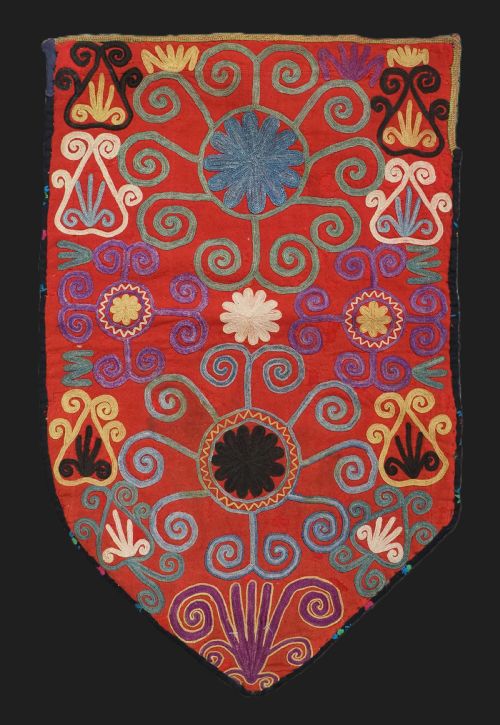
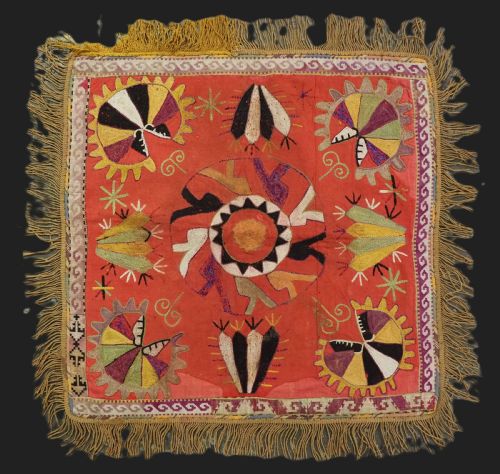
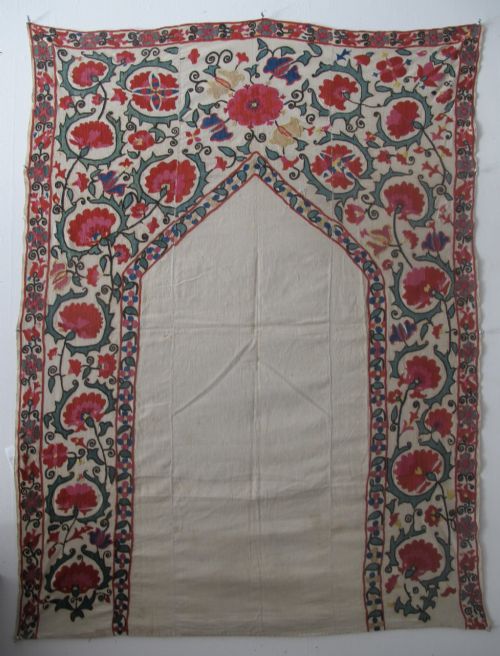
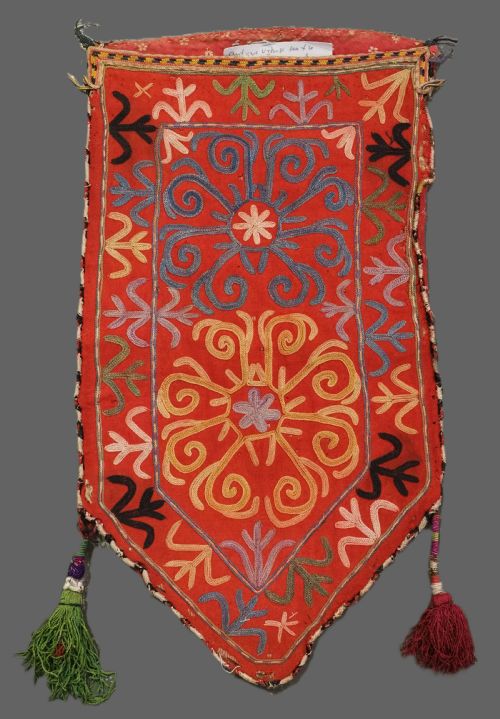
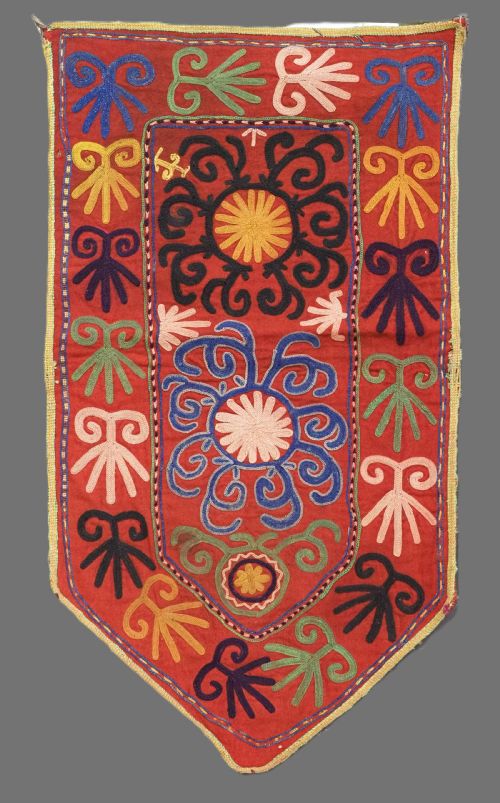
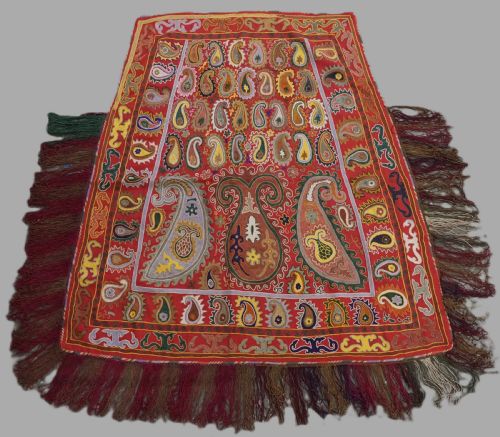
The most prominent items on this page originate from Central Asia, particularly Uzbekistan, featuring the distinctive work of tribal groups such as the Lakai. These pieces often take the form of dowry embroideries, horse covers, and suzanis worked in rich silk threads.
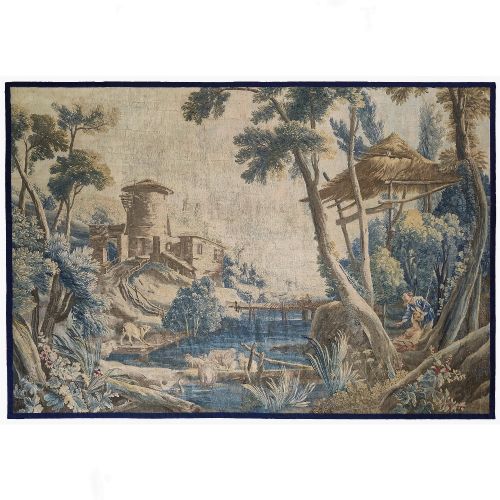
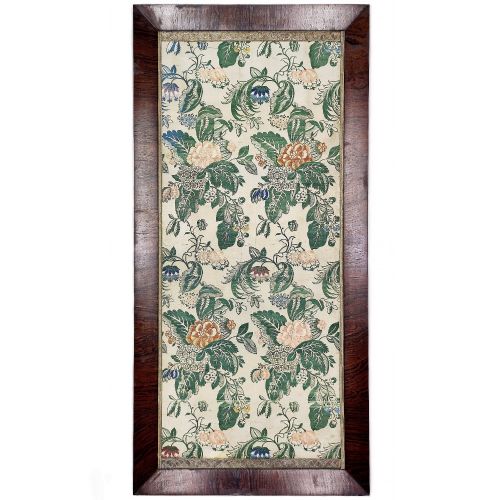
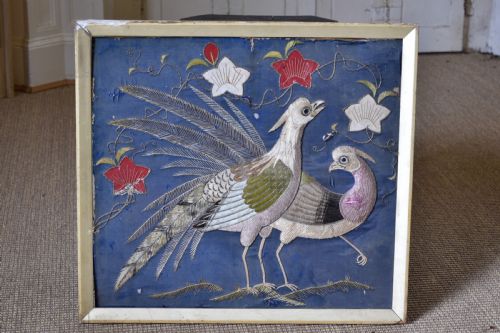
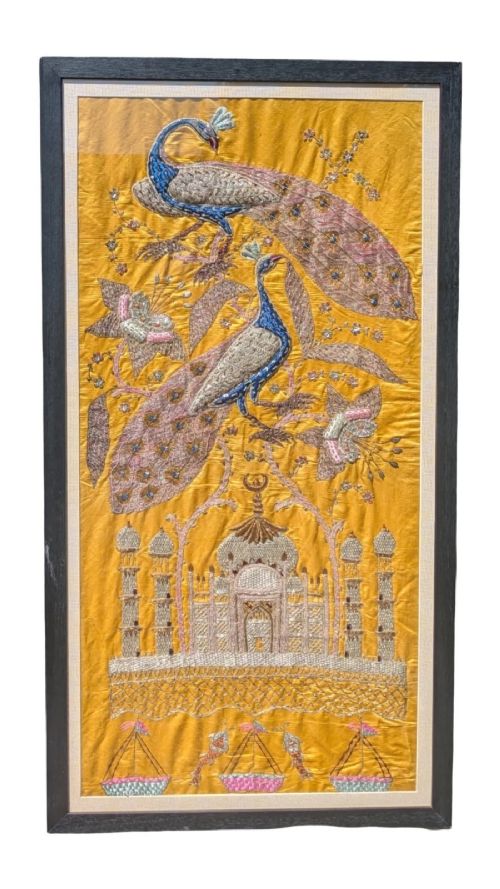
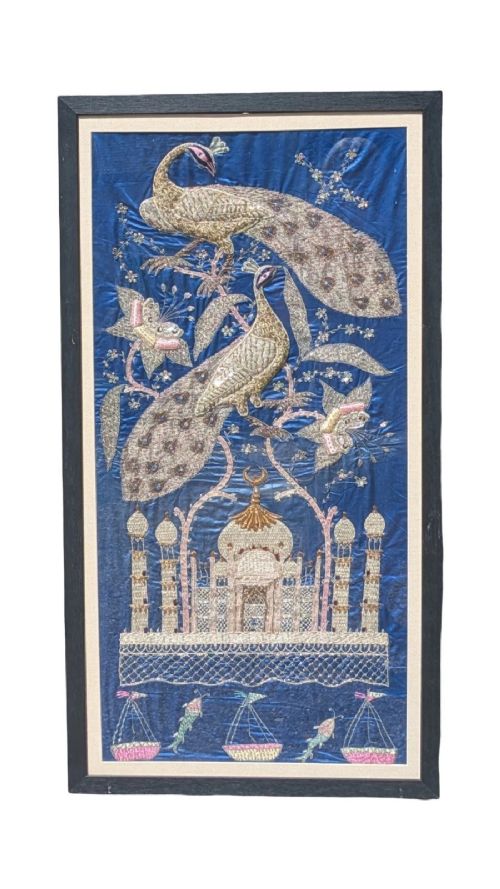
Alongside Central Asian tribal pieces, the selection includes European works from the eighteenth and nineteenth centuries, including French tapestries, Spitalfields lengths, and English samplers. Indian embroideries depicting architectural scenes and peacocks also appear frequently within the inventory.
Materials and construction
The primary material uniting these diverse objects is silk, frequently deployed across grounds of cotton, wool, linen, or velvet. Artisans combined these textiles with metallic threads to create reflective highlights within floral and geometric compositions.
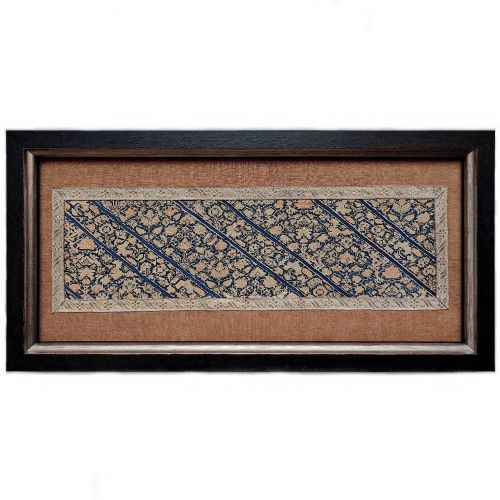
Techniques range from needlepoint and satin stitch embroidery to complex ikat dyeing methods where warps were tie-dyed before weaving. Foundation fabrics received dense hand-stitched ornamentation, sometimes mounted on supportive wool or velvet backings for structural resilience.
Vintage Silk Textile Retail Price Guide 2026
Typical asking prices for vintage silk textile among the pieces listed under this phrase on Sellingantiques today, from the lower quarter to the upper quarter. They describe what is for sale here now, not the wider market.
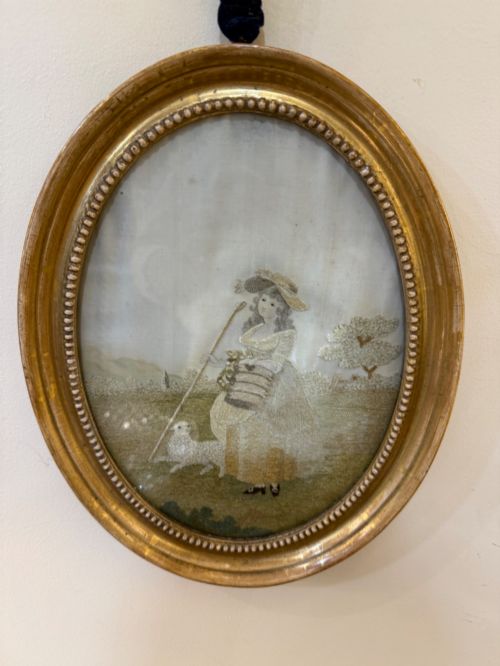
Listings include eighteenth-century English embroidered silk pictures alongside nineteenth-century Central Asian suzanis and twentieth-century Indian panel work.
Assessing craftsmanship
Quality in these textiles depends heavily on the density and precision of the needlework, alongside the integrity of the base material. Superior examples display tight, uniform stitches that maintain intricate design lines without distortion across the panel.
The vibrancy and retention of natural dyes also dictate a piece's standing, as well as the complexity of the design layout. Architectural motifs and figurative elements demand greater skill from the maker than simpler repeating patterns.
The Vintage Silk Textile Glossary
- Suzani
- A type of embroidered tribal hanging originating from Central Asia, traditionally worked in silk on a cotton or linen ground. These panels often feature large floral medallions and architectural motifs.
- Ikat
- A dyeing technique where yarns are tie-dyed prior to weaving, producing characteristic blurred edges along the pattern motifs. Semi-silk adras fabrics frequently utilise this method.
- Ilgich
- A specific form of Central Asian embroidery used traditionally as a small wall hanging or dowry piece. Lakai tribal groups produced many notable examples of these items.
- Sampler
- A piece of needlework produced to demonstrate a maker's proficiency in various stitches and alphabets. Early examples often incorporate detailed pictorial scenes alongside borders.
- Tapestry
- A form of textile art woven by hand on a vertical or horizontal loom, combining coloured woof threads with warp threads to form a complete picture. Historical pieces often depict figurative narratives.
Vintage Silk Textile: Frequently Asked Questions
What is a suzani?
A suzani is a large, hand-embroidered textile created in Central Asian regions such as Uzbekistan. These decorative panels were traditionally made as part of a bride's dowry.
Maker communities utilised vibrant silk threads on cotton or linen foundations, arranging floral and medallion motifs across the surface for domestic display.
How were these textiles used?
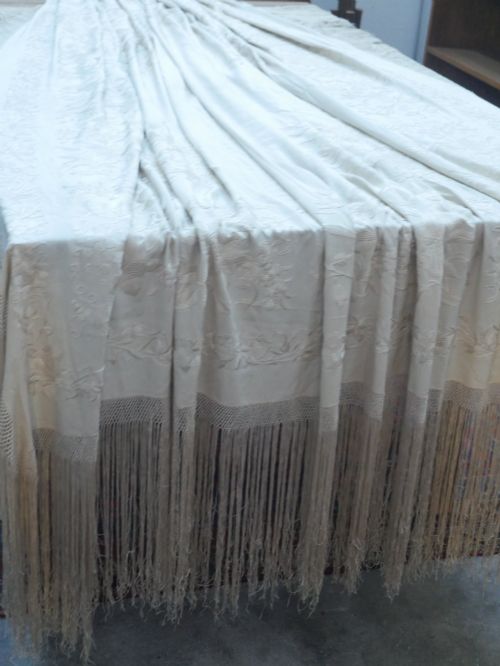
Historical textiles served multiple domestic and ceremonial functions depending on their culture of origin. Many items functioned as wall hangings, bed covers, or decorative drapery within homes.
Other specialised pieces, such as Lakai items, served as ceremonial horse covers or saddle rugs during tribal celebrations and important life events.
How should I care for a vintage silk textile?
These delicate objects require protection from direct sunlight to prevent silk fibres and natural dyes from fading over time. Displaying them away from moisture and heat sources preserves the structural integrity of the fabric.
Framing under glass or mounting gently on supportive backing materials helps distribute weight evenly if the textile is hung on a wall.
How can I tell the age of a textile?
Dating relies on analysing the materials, dye types, stitching techniques, and regional stylistic conventions present in the work. Eighteenth-century pieces often reflect European court tastes, while nineteenth-century Central Asian items display tribal iconography.
Examining the reverse side of the embroidery provides clues regarding thread types and ground fabrics associated with specific historical periods.