





Vintage Silhouette
Vintage silhouette pieces capture profile likenesses in ink, paper, and metal, offering a direct window into historical domestic life that collectors prize.
Vintage Silhouette
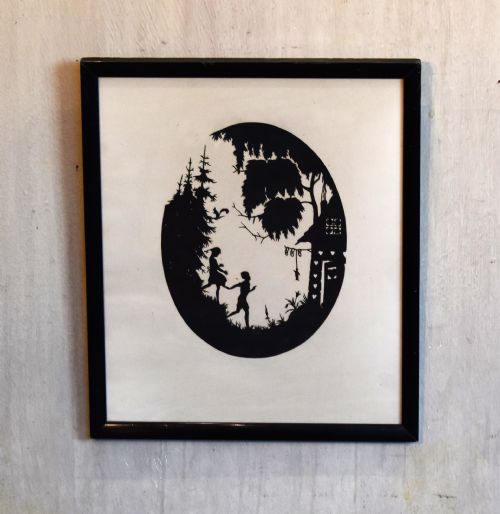
When you search for vintage silhouette items, you encounter profile portraits and decorative metalwork spanning the Georgian, Regency, and Victorian periods. The most frequent examples are framed paper cut-outs, sometimes enhanced with watercolour, depicting gentlemen, ladies, and children.
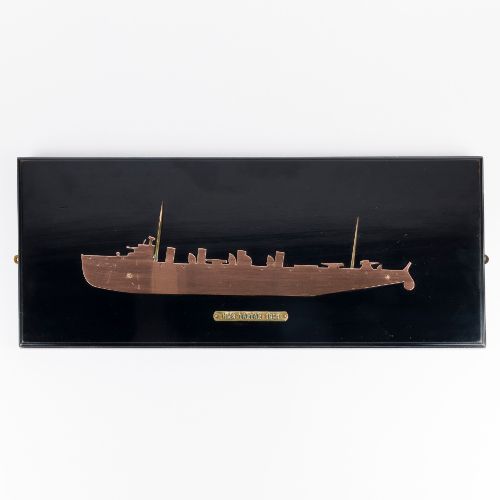
Beyond wall art, the selections extend to folk art copper and iron weather vanes shaped as horses or huntsmen, along with occasional mirrors and powder compacts. These works bridge portraiture and decorative arts, reflecting both personal likeness and traditional craftsmanship.
How they were made
Makers utilised paper and ink for traditional cut or painted profiles, mounting them within rosewood, mahogany, or gilt wood frames. Precision was paramount, whether cutting freehand with scissors or brushing delicate ink details onto card.
Metal pieces such as weather vanes relied on sheet metal, copper, and wrought iron, shaped and cut to catch the wind. These structural items combined durability with bold outline forms suited for exterior placement.
Vintage Silhouette Retail Price Guide 2026
Typical asking prices for vintage silhouette among the pieces listed under this phrase on Sellingantiques today, from the lower quarter to the upper quarter. They describe what is for sale here now, not the wider market.
What varies in quality
Quality rests upon the crispness of the cutting and the expressiveness of the profile line. A superior paper portrait captures the distinct hairstyle, collar, and posture of the sitter with minimal brushwork or scissor strokes.
Framing and material preservation also dictate standing. Original rosewood or gilded frames that house the paper securely command greater attention than later replacements, just as weather vanes retain better definition when the metal shows minimal corrosion.
Augustin Edouart·John Smith of Edinburgh·Alfred Darbyshire
The Vintage Silhouette Glossary
- Silhouette
- A solid shape of a person or object, typically styled in black against a pale background, showing a profile view.
- Cut-Paper
- A technique where the likeness is formed entirely by snipping paper with scissors rather than painting the form.
- Gilt Wood
- Wood treated with gold leaf or gold paint to create a lustrous decorative frame for artwork.
- Weather Vane
- A moveable metal device placed on high structures to show the direction of the wind, often cut into animal or human shapes.
Vintage Silhouette: Frequently Asked Questions
How do I date an old silhouette?
Dating relies heavily on the clothing style, hairstyle, and framing materials of the piece. Regency and Georgian examples often feature high collars and specific bonnet shapes that help narrow down the decade.
The backing paper, handwriting on the reverse, and the type of glass used in the frame also provide solid clues regarding the exact period of production.
Are weather vanes considered silhouettes?
In trade terms, metal weather vanes share the same foundational design principle as paper profiles by defining a subject entirely through its dark outline against the sky.
Folk art copper and iron versions from the nineteenth and early twentieth centuries frequently depict horses or huntsmen in this striking, flat format.
How should I display framed paper profiles?
Paper portraits require protection from direct sunlight to prevent the black ink or paper from fading over time. Keeping them away from moisture sources preserves both the backing card and the original frame.
Grouping several examples together on a wall creates a traditional gallery effect that highlights the variety of poses and sitter ages.
What materials appear most often?
Paper and ink dominate the portrait side of the category, usually housed within timber frames made of rosewood, mahogany, or gilt wood.
For exterior pieces like weather vanes, makers turned to copper, wrought iron, and sheet metal to withstand the elements while maintaining a sharp profile.