






Vintage Sign Decor
These pieces of vintage sign decor bring authentic industrial history and decorative charm into your home through painted trade markers, historic advertising, and period canvases.
Vintage Sign Decor
When you search for vintage sign decor, you encounter a diverse collection that spans functional trade markers, historic advertisements, and period canvases. These items function as visual history, documenting commercial enterprises and domestic spaces from past centuries.
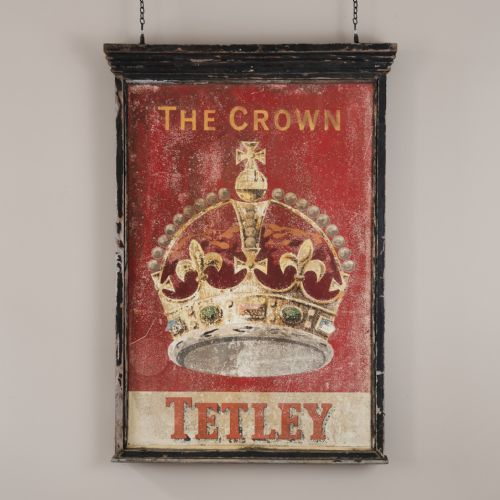
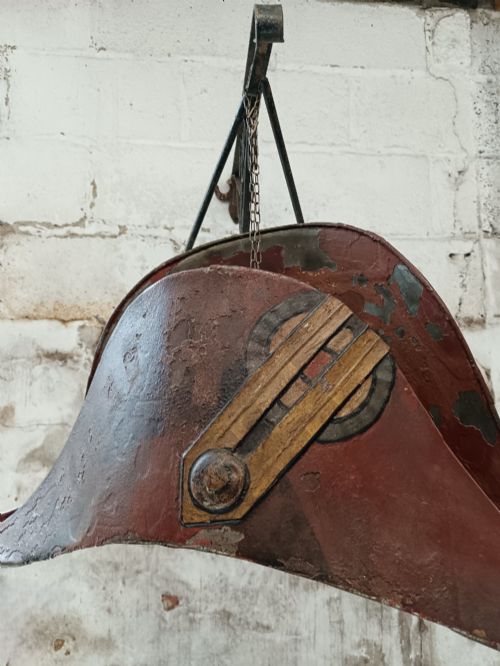
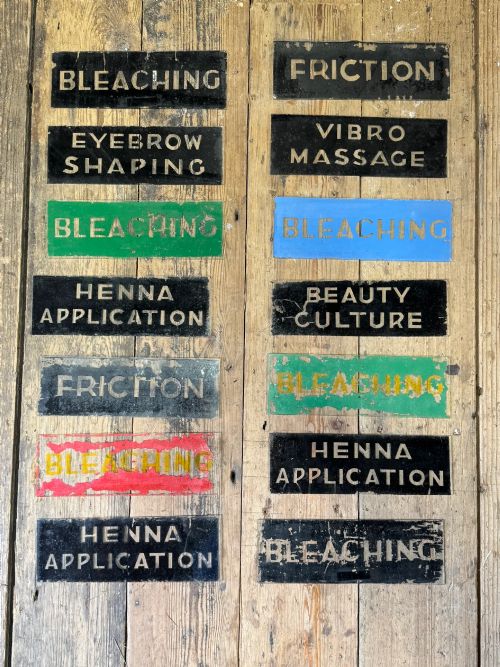
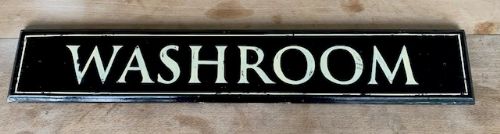
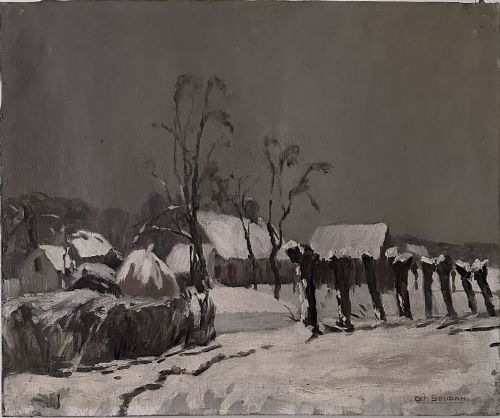
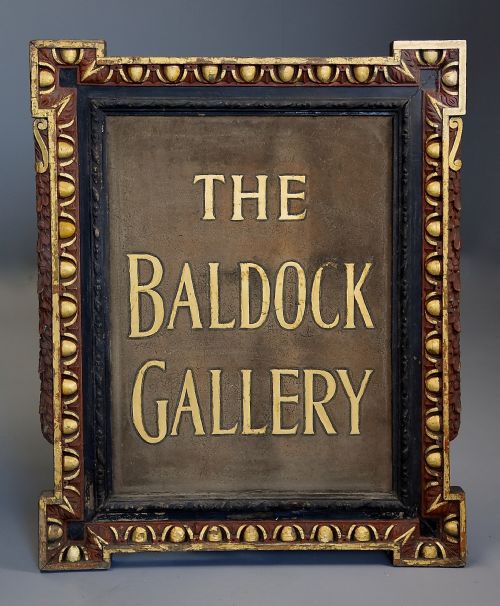
Trade signs and wall plaques form the core of this category, featuring items such as double-sided pub markers, reverse-painted glass salon signs, and carved wooden shop displays. Alongside these functional pieces, the selection includes traditional oil paintings, landscape canvases, and botanical still lifes from various European schools.
The objects originate from multiple eras, ranging from nineteenth-century artefacts through Edwardian creations and mid-century works. Whether rendered in sheet metal, cast iron, oil paint, or carved wood, each piece reflects the commercial and domestic aesthetics of its specific period.
How they were made
Makers utilised traditional physical techniques, applying oil paint and pigments to canvas, wood panels, glass, and prepared metal surfaces. Trade signs frequently involved hand-lettering, gilding, and reverse glass painting executed by skilled signwriters and artisans.
Carpenters and carvers shaped solid wood and pine panels for dimensional shop displays and hanging markers, while metalworkers cast iron and fashioned sheet metal into trade silhouettes and armorial plaques.
Vintage Sign Decor Retail Price Guide 2026
Typical asking prices for vintage sign decor among the pieces listed under this phrase on Sellingantiques today, from the lower quarter to the upper quarter. They describe what is for sale here now, not the wider market.
A nineteenth-century tradesman sign from Rombas rubs shoulders with a carved wooden rooster display and human teeth samples from a dentist's collection.
What varies in quality
The standard of these pieces depends upon the integrity of the original hand-painted details, the clarity of the lettering, and the survival of authentic surface patination. Items that retain their primary pigments and untouched structural components demonstrate superior craftsmanship.
Artistic skill distinguishes the painted canvases and pictorial trade signs, where precise brushwork, balanced composition, and legible typography elevate utilitarian objects into accomplished works of folk art and design.
Gaastra·C W Tuck·Basil Nightingale·William Williams·Robin MacKertich·Frank Wood·Jennifer Toombs·J C de Bruin·Harold Edward Conway·Godwin Bennett·J Stinton·Feridah Francis Forbes Taylor
The Vintage Sign Decor Glossary
- Reverse-painted glass
- A technique where lettering or imagery is painted on the back of a glass panel so the design shows clearly through the front. This method protects the pigment from environmental wear and provides a glossy finish.
- Toleware
- Metalware featuring a lacquered or enamelled finish, frequently painted by hand with decorative motifs. It was commonly used for domestic items and trade markers.
- Trade sign
- A functional marker displayed outside a shop or business to advertise services or goods to passersby. These objects were often shaped to represent the specific trade housed within.
- Oil on canvas
- Pigments bound in a drying oil medium applied to a stretched woven fabric support. This traditional fine art method allows for subtle colour blending and textured brushwork.
- Armorial plaque
- A decorative cast metal or carved panel displaying a coat of arms or heraldic symbols. These pieces served official, civic, or decorative functions.
Vintage Sign Decor: Frequently Asked Questions
How were trade signs used originally?
These markers hung outside shops, public houses, and commercial establishments to identify specific businesses to the public. Their clear typography and pictorial symbols ensured readability from the street.
Over time, many survived as indicators of local commerce, eventually transitioning from functional street furniture into decorative interior objects.
What materials are common in this collection?
The listings incorporate traditional materials such as wood, canvas, glass, sheet metal, and cast iron. Artisans combined these with oil paint, gold leaf, and protective lacquers.
Each material reflects the functional requirements of the object, whether designed for exterior durability or interior display.
How do I date a piece accurately?
Dating relies on stylistic conventions, material composition, and the specific techniques used in the lettering or paint application. Historic trade practices and framing methods also provide chronological clues.
Comparing items to documented examples from periods like the nineteenth century or the Edwardian era helps establish a reliable timeframe.