





Vintage Sign Board
When you search for a vintage sign board, you encounter painted wood, enamel, and metal pieces that once marked businesses or guided the public.
Vintage Sign Board
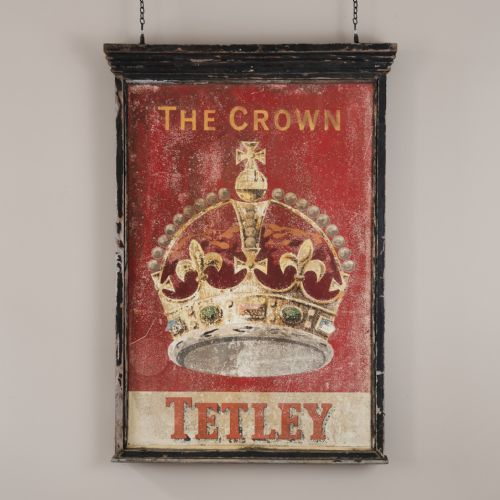
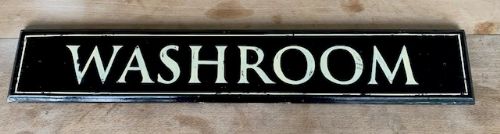
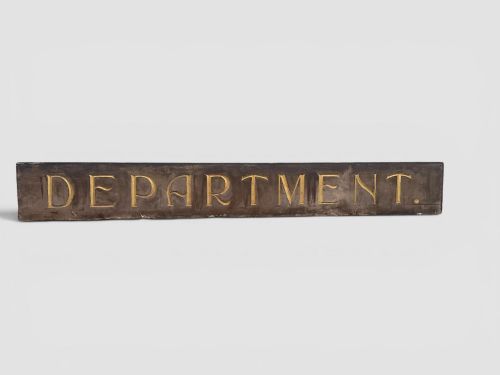
A vintage sign board encompasses functional trade signage, shop boards, enamel advertisements, and painted wooden notices produced from the nineteenth century through the mid-twentieth century. These objects served commercial, domestic, and civic purposes, ranging from pub markers and hardware displays to washroom directives and fairground panels.
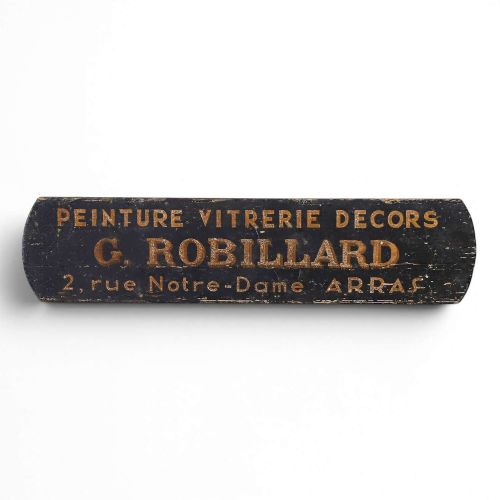
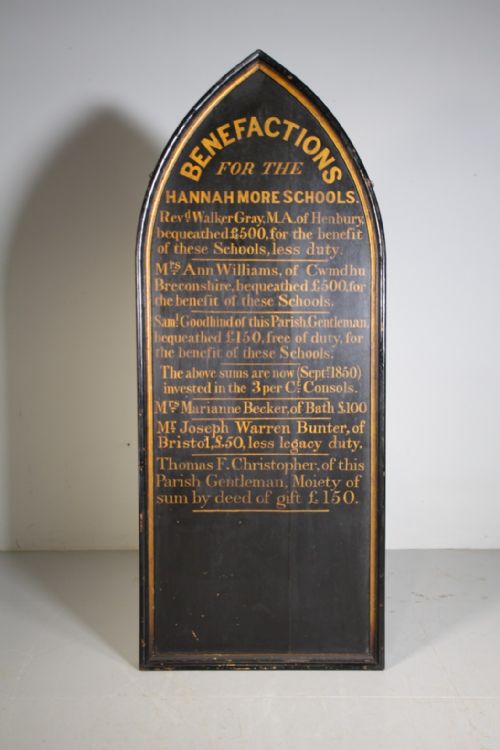
The pieces appearing on this page span the Victorian and Edwardian eras up to mid-century industrial periods, drawing on French, English, and Welsh origins. Buyers frequently encounter painted wooden boards, double-sided metal pub signs, and framed glass trade notices.
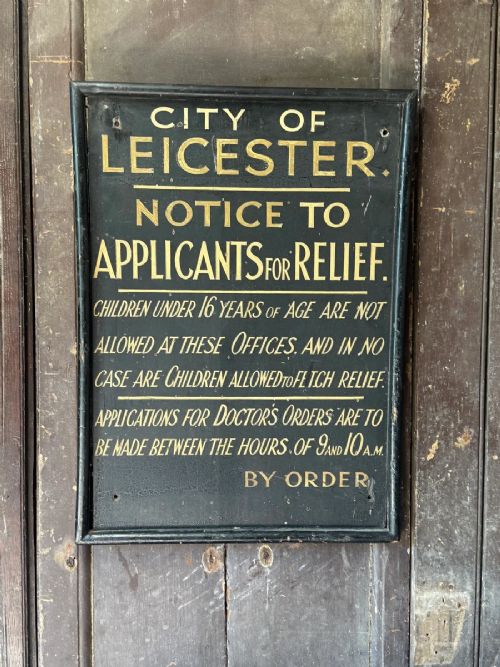
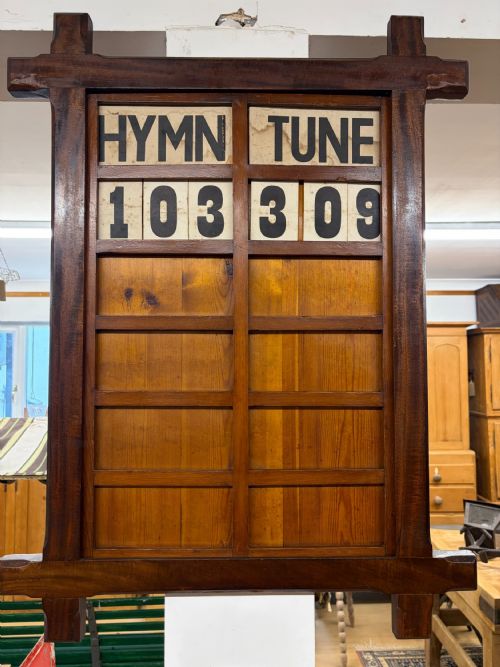
Many items blur the boundary between commercial utility and folk art, particularly hand-painted examples from the early twentieth century bearing straightforward lettering or pictorial illustrations. Others take the form of specialised boards, such as hymn number displays, hardware sample boards, and servants' bell name plates.
Materials and construction methods
Makers constructed these boards primarily from timber, sheet metal, and heavy card, applying oil paint, enamel, or gold leaf directly to the substrate by hand or through industrial production methods. Wooden boards often show signs of being sawn, planed, and finished with protective lead-based or oil paints designed to withstand outdoor exposure.
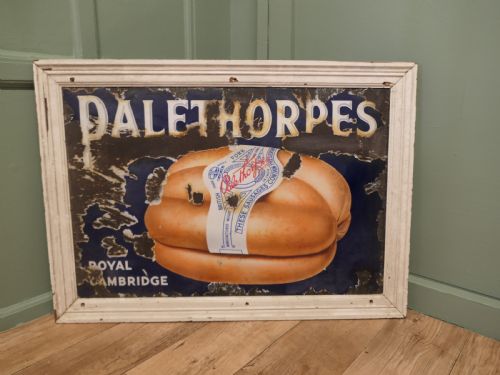
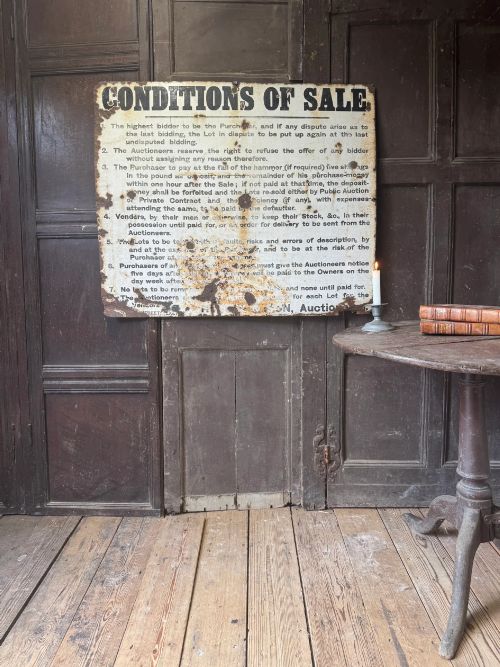
Metal examples frequently employ vitreous enamel fused onto iron or steel plates for durability, a technique that preserved vibrant colours and glossy surfaces across decades of commercial use. Framed pieces incorporate timber surrounds, sometimes featuring glass panels with reverse-painted lettering or protective front glazing.
Vintage Sign Board Retail Price Guide 2026
Typical asking prices for vintage sign board among the pieces listed under this phrase on Sellingantiques today, from the lower quarter to the upper quarter. They describe what is for sale here now, not the wider market.
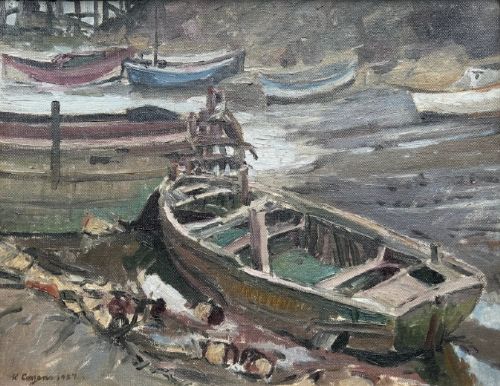
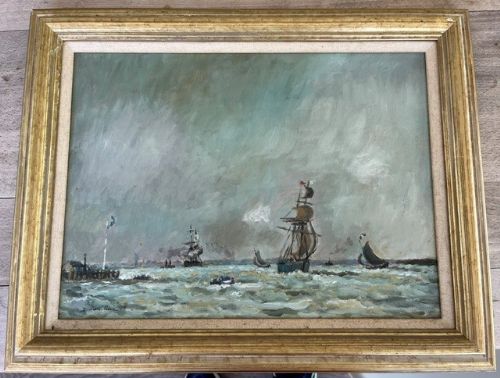
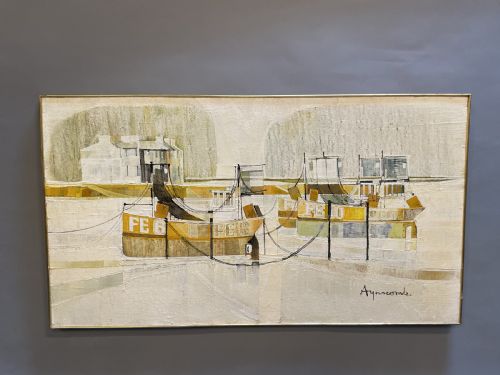
Listings feature wood, metal, and glass boards spanning the nineteenth century through the 1960s, encompassing both trade signs and oil paintings.
Evaluating quality and execution
The distinction between ordinary utility items and superior examples lies in the skill of the lettering, the complexity of any pictorial work, and the integrity of the original surfaces. Hand-painted boards displaying confident brushwork, balanced typography, or detailed enamel graphics command greater interest from collectors than plain or crudely lettered alternatives.
Preservation of original paint layers without unsympathetic overpainting dictates the historical value of a vintage sign board. Pieces retaining their genuine aged patina, original framing, and structural ironwork offer a more authentic representation of their period of manufacture.
Palethorps Royal Cambridge·Gerwin Co Birmingham·Liberty Co
The Vintage Sign Board Glossary
- Enamel
- A glassy substance fused to metal under high heat to create a durable, glossy surface resistant to weather and wear. This finish kept outdoor advertising bright for decades.
- Trade Sign
- A board or hanging marker identifying a specific merchant, profession, or commercial establishment. These objects were essential for guiding customers before standardised street numbering.
- Gold Leaf
- Gold beaten into extremely thin sheets and applied to surfaces using a sizing adhesive. It provided a luminous, non-tarnishing element for important lettering.
- Folk Art
- Utilitarian objects and decorative works created by self-taught or provincial makers outside formal academic traditions. Such pieces often display charmingly direct interpretations of everyday subjects.
- Oil on Board
- A painting technique where oil-based pigments are applied directly to a rigid wooden or cardboard panel. This medium provided a stable surface for portable artwork and signs.
Vintage Sign Board: Frequently Asked Questions
How do I date a vintage sign board?
Dating relies on material composition, typography styles, and construction methods characteristic of specific decades. Enamel production techniques and paint formulations shifted significantly between the Victorian era and the mid-twentieth century.
Examining the fixings, framing timber, and underlying wood or metal provides further clues to a piece's chronological origin.
Were these signs meant for indoor or outdoor use?
Many trade signs and enamel advertisements were engineered to withstand outdoor weather conditions on shop fronts or exterior walls. Other examples, such as hotel bell name plates and interior washroom notices, were strictly designed for indoor environments.
Assessing the weather exposure and protective coatings helps determine an individual board's original placement.
How do I clean an old painted surface?
Careful dusting with a soft, dry cloth is usually sufficient for removing surface debris from delicate painted timber or paper elements. Aggressive scrubbing or chemical solvents should be avoided to prevent stripping original historic finishes and patinas.
Professional restoration advice is recommended if a board has heavy grime or unstable paint layers.