




Vintage Shop Model
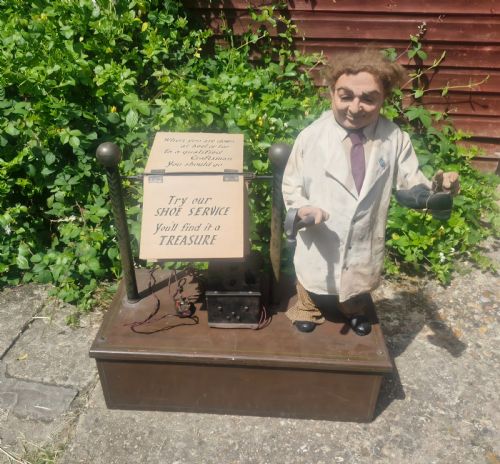
These vintage shop model examples are characterful displays and trade figures that bring genuine mercantile history into your home.
Vintage Shop Model
When you search for a vintage shop model, you enter a diverse field of commercial survivals ranging from anatomical subjects to trade figures and advertising displays. These objects served a functional purpose in commerce and education before transitioning into decorative items for collectors.
You are most likely to meet pieces spanning from the nineteenth century through the nineteen-forties, covering materials like wood, composition, and metal wiring. Forms include shop display models, mannequin busts, advertising display figures, and trade signs reflecting Victorian, Edwardian, and Art Deco aesthetics.
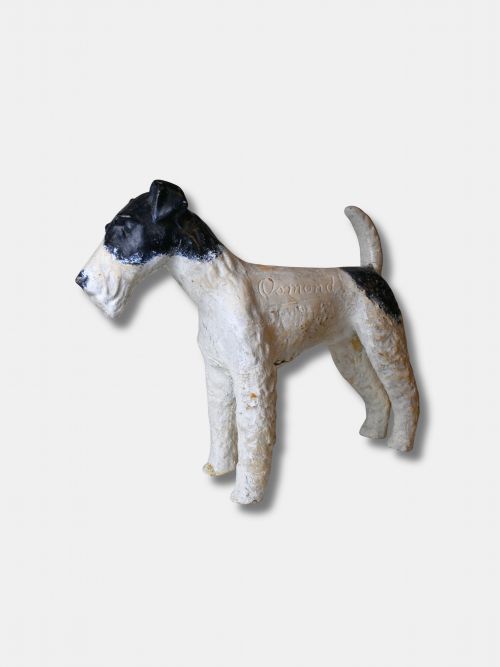
The selection encompasses both English and French origins, demonstrating how different trades utilised bespoke figures to promote goods or teach anatomy. From folk art butcher displays to life-size animal figures, each piece carries the distinct imprint of early commercial life.
Materials and construction methods
Makers utilised traditional materials such as carved wood, composition, and leather over internal metal wiring to achieve durability and lifelike forms. Folk art pieces often rely on hand-carved wood and painted surfaces that show the direct touch of the maker.
Composition and resin allowed manufacturers to cast detailed anatomical models and advertising figures with precision, while fabric and metal elements completed the construction of mannequins and trade signs.
Vintage Shop Model Retail Price Guide 2026
Typical asking prices for vintage shop model among the pieces listed under this phrase on Sellingantiques today, from the lower quarter to the upper quarter. They describe what is for sale here now, not the wider market.
Current listings demonstrate periods spanning from the nineteenth century to nineteen-forties, utilising wood, composition, metal, and fabric.
Distinguishing quality in trade models
Quality rests upon the strength of the carving or moulding, the integrity of the original painted surface, and the proportion of the subject. Pieces that retain their honest working patination and original finish stand apart from those with heavy later alterations.
The sophistication of the modelling, whether in an anatomical foetus skull or a life-size animal figure, dictates the visual impact and historical fidelity of the piece.
The Vintage Shop Model Glossary
- Composition
- A moulded material made from a mixture of pulp, resin, or plaster, commonly utilised for twentieth-century display figures and advertising pieces. It allows for intricate detail while maintaining structural rigidity.
- Trade sign
- A hanging or mounted board and sculpture used by merchants to advertise their specific trade to passing pedestrians. These objects often take the literal shape of the wares sold within.
- Mannequin
- A dummy used by drapers and tailors to fit and display garments, evolving from early wire and composition forms to fully articulated figures. They offer insight into historical silhouettes.
- Anatomical model
- A three-dimensional representation of human or animal anatomy created for educational or medical teaching purposes. These pieces combine scientific accuracy with remarkable sculptural craftsmanship.
- Patina
- The surface appearance accumulated through age, handling, and use over decades or centuries. It serves as a visual record of the object's history.
Vintage Shop Model: Frequently Asked Questions
What is a vintage shop model?
These pieces are functional objects originally created for retail displays, trade advertising, or medical education in shops and institutions.
Over time, they have transitioned into decorative artefacts valued for their unique aesthetic and historical connection to commerce.
How were these models used?
Merchants employed trade figures and display models in shop windows or interiors to attract customers, advertise specific goods, or demonstrate products.
Anatomical models were similarly utilised in professional or educational settings to teach human or veterinary structures.
How do I live with a trade model?
These sculptures and figures suit placement on sturdy shelves, sideboards, or mounted directly on walls in the case of trade signs.
Keep them away from direct sunlight and excessive moisture to preserve painted surfaces, wood, and composition materials.
How can I tell the periods apart?
Stylistic indicators such as Victorian ornamentation, Edwardian craftsmanship, or Art Deco geometry help establish a chronological anchor.
Materials also provide clues, as early composition and hand-carved wood generally precede mid-century plastics and resins.