







Vintage Shop Glass
Vintage shop glass brings the utilitarian elegance of trade and commerce into domestic interiors through genuine display pieces.
Vintage Shop Glass
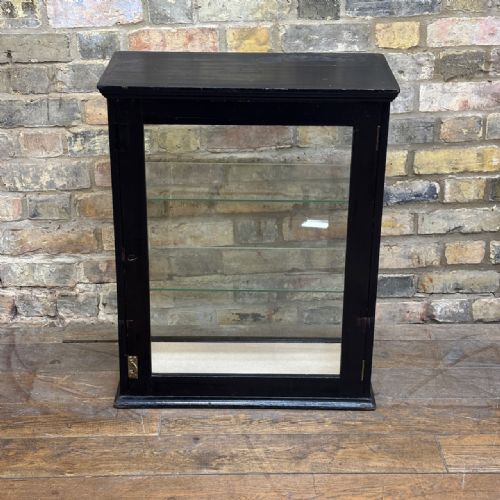
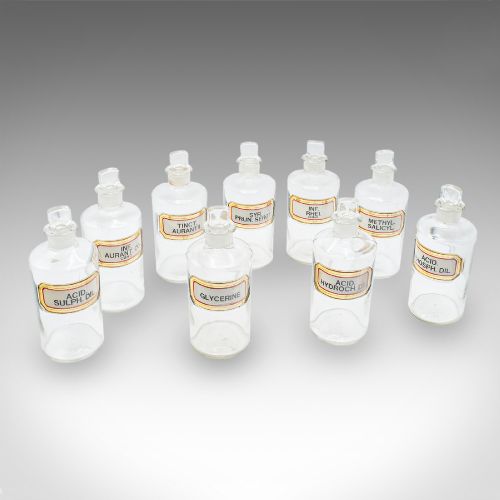
When searching for vintage shop glass, buyers encounter a specialised selection of commercial display items, apothecary jars, signage, and fitted cabinetry originating from trade environments. These pieces date across the nineteenth and twentieth centuries, spanning periods such as Victorian, Edwardian, and Art Deco eras.
Materials and construction
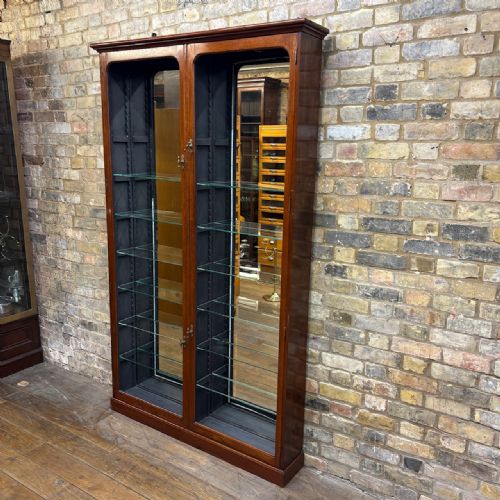
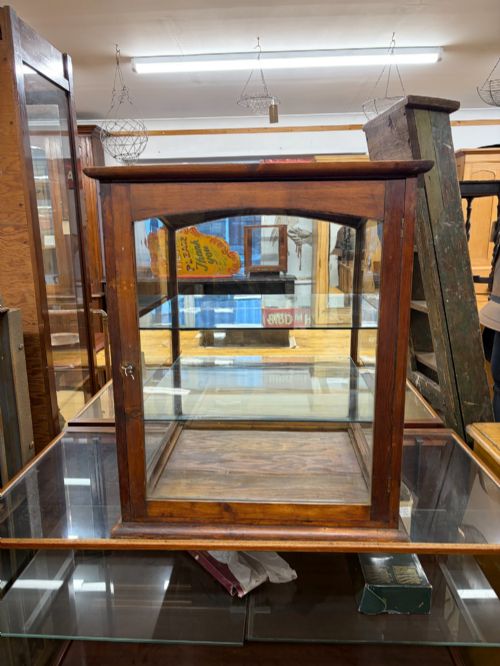
Makers constructed these items using durable commercial hardwoods such as mahogany, oak, and ebonised timber, pairing them with clear glass panels, adjustable glass shelving, and mirrored interiors to maximise light reflection. Brass and iron hardware, chrome fittings, and gold leaf detailing frequently complete the structural assembly.
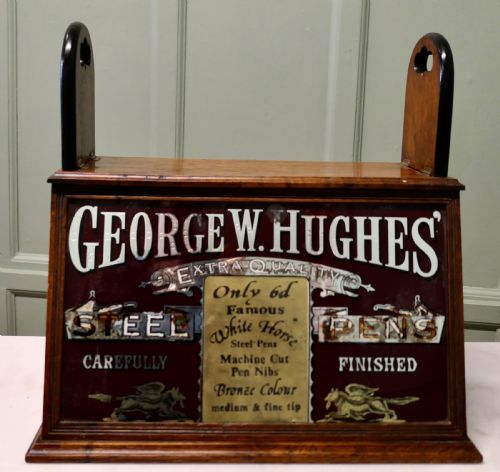
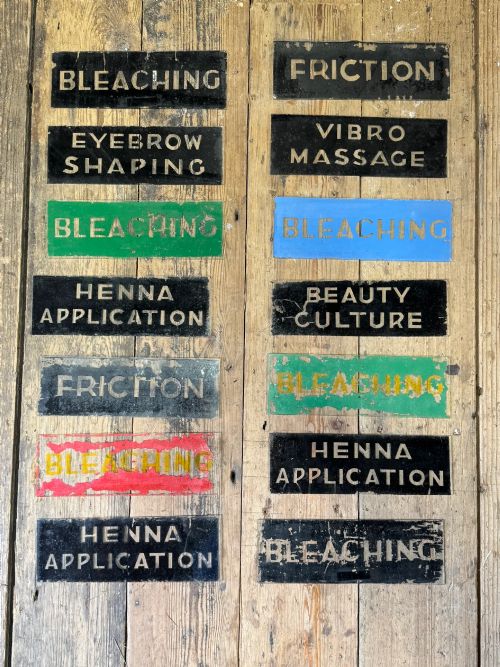
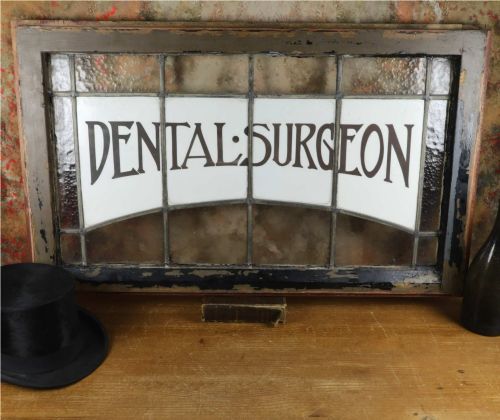
Surface ornamentation involved techniques like reverse glass painting, etched glass detailing, and hand sign-writing. These methods ensured that signage and advertising displays remained legible and resilient within busy retail spaces.
Vintage Shop Glass Retail Price Guide 2026
Typical asking prices for vintage shop glass among the pieces listed under this phrase on Sellingantiques today, from the lower quarter to the upper quarter. They describe what is for sale here now, not the wider market.
Listings incorporate items from the Victorian, Edwardian, and 1930s periods, utilising materials such as mahogany, oak, brass, and painted glass.
Distinctions in quality
Quality rests upon the integrity of the original construction, the presence of matching original glass, and the precision of joinery in cabinets and counters. Finer examples retain their original brass mounts, intact mirrored interiors, and uncompromised structural timbers without excessive alteration.
Signage and glass containers derive their distinction from the complexity of their execution, such as intricate reverse painting or detailed etching. Pieces produced by recognised commercial fitters display superior refinement in hardware and proportion compared to simpler utility items.
Dudley & Co·F. Sage & Co.
The Vintage Shop Glass Glossary
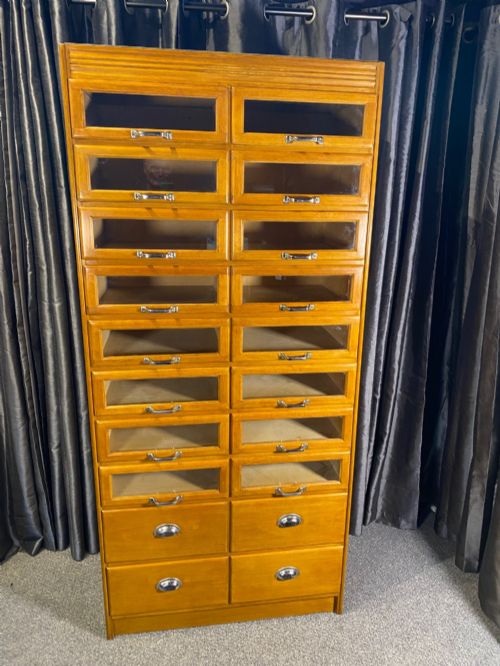
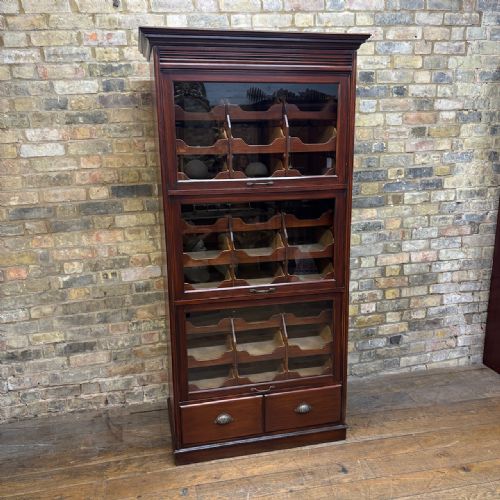
- Haberdashery cabinet
- A specialised multi-drawer or glazed storage unit originally utilised in drapery shops for organising small sewing goods and accessories.
- Apothecary jar
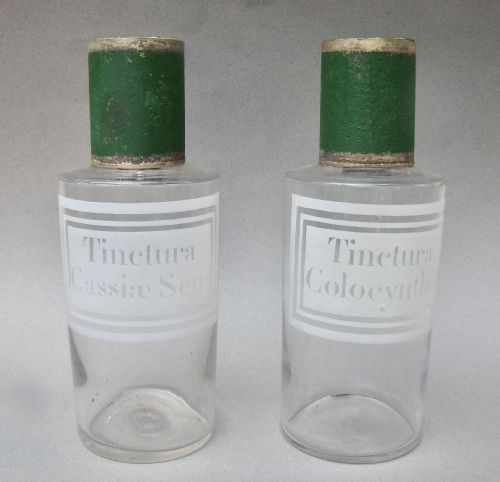
- A vessel designed to hold medicinal herbs, chemicals, or confectionery, often featuring etched glass labels denoting specific contents.
- Reverse-painted glass
- A technique where artists apply paint and gold leaf to the rear side of a glass panel so the image appears correctly when viewed from the front.
- Ebonised
- Wood treated with a dark stain or finish to imitate the appearance of ebony, frequently applied to display cabinetry and mirrors.
- Shop fitting
- Custom or modular furniture and architectural elements manufactured specifically for commercial retail premises.
Vintage Shop Glass: Frequently Asked Questions
What are apothecary jars?
Apothecary jars are large glass vessels featuring fitted covers, originally employed by chemists and pharmacists to store dry drugs, herbs, or liquids.
In modern interiors, these transparent containers function as decorative display items on shelves or tabletops, often retaining period etched lettering.
How were haberdashery cabinets used?
Haberdashery cabinets served as commercial fixtures in drapery and clothing shops to organise ribbons, buttons, threads, and small garments.
Their shallow drawers and glazed fronts allowed merchants to display merchandise to customers while keeping stock sorted and protected.
How do I identify Edwardian display cases?
Edwardian display cases generally date from the early twentieth century, exhibiting lighter oak or mahogany framing compared to heavy Victorian furniture.
They often incorporate adjustable glass shelves, mirrored backs, and refined brass hardware intended to showcase retail goods effectively.
Where do reverse-painted glass signs go?
Reverse-painted glass signs are suitable for wall mounting in hallways, kitchens, or living spaces where light can pass across the protected surface.
These pieces require secure hanging away from direct moisture to preserve the delicate paint and gold leaf applied behind the glass.