




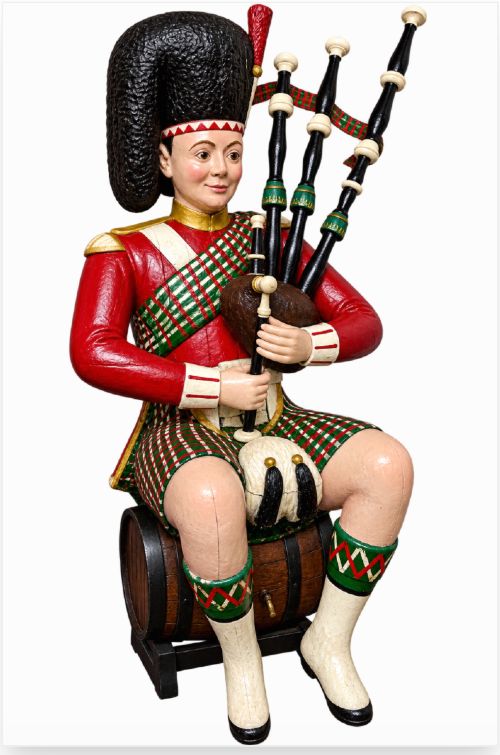
Vintage Shop Advertising
Vintage shop advertising comprises trade signs, display cabinets, and figures that once promoted wares in nineteenth and twentieth-century commerce.
Vintage Shop Advertising
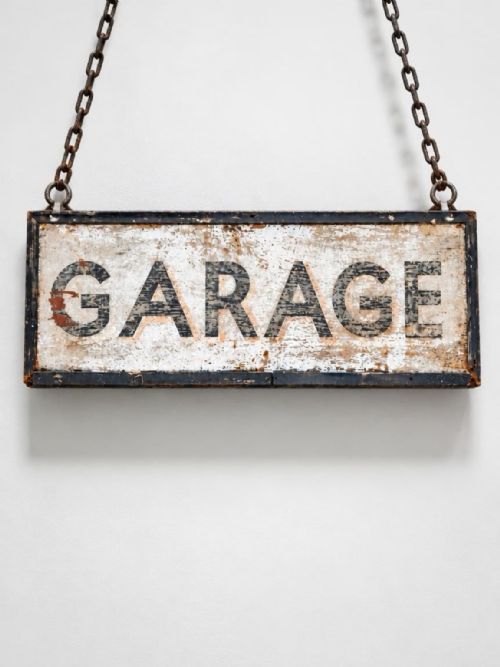
Vintage shop advertising encompasses the physical objects used by merchants to draw custom, identify trades, and display goods from the nineteenth century through the interwar decades. Buyers searching for vintage shop advertising will encounter wooden trade signs, wall signage, enamel plates, glass panels, and mechanical dispensing cabinets originating from diverse commercial settings.
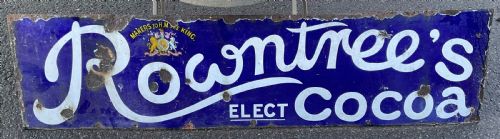
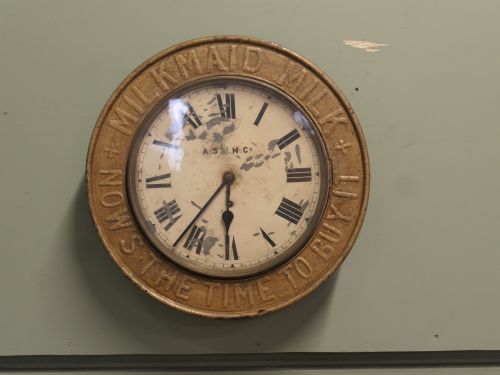
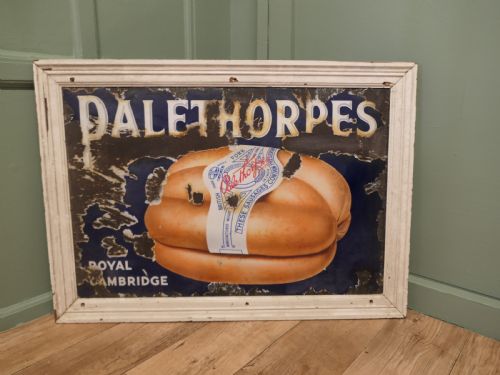
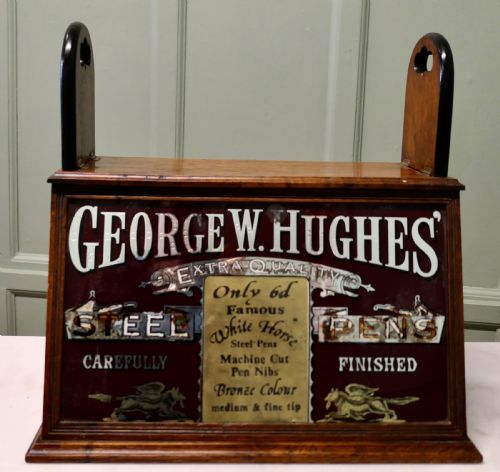
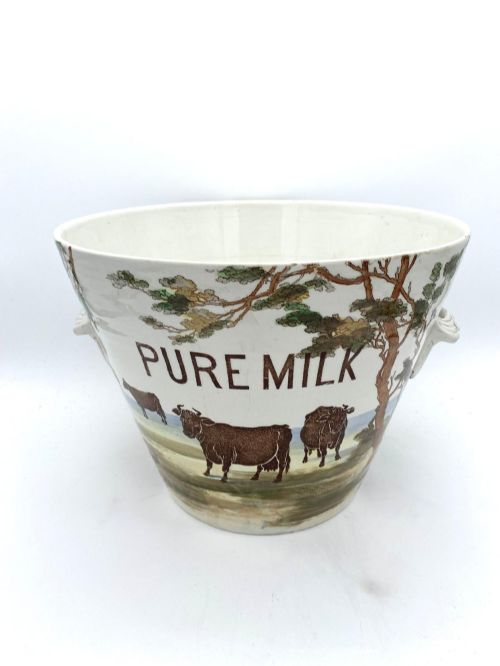
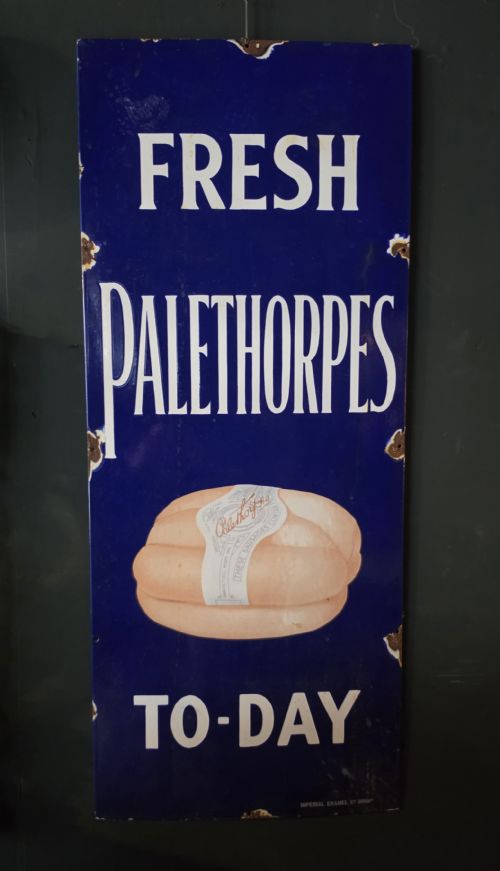
The pieces on this page span the Victorian, Edwardian, and Art Deco eras, reflecting the shift from local specialist shopkeepers to branded mass-market products. Common forms include grocers' slabs, milk pails, enamel pictorial food signs, and specialised display furniture such as stationery cupboards and watchmakers' cabinets.
Origins range across English, French, and American makers, utilising materials suited to both indoor counters and outdoor trade. These items served a purely utilitarian function in high street windows and on shopfronts before surviving as decorative pieces of commercial history.
How they were made
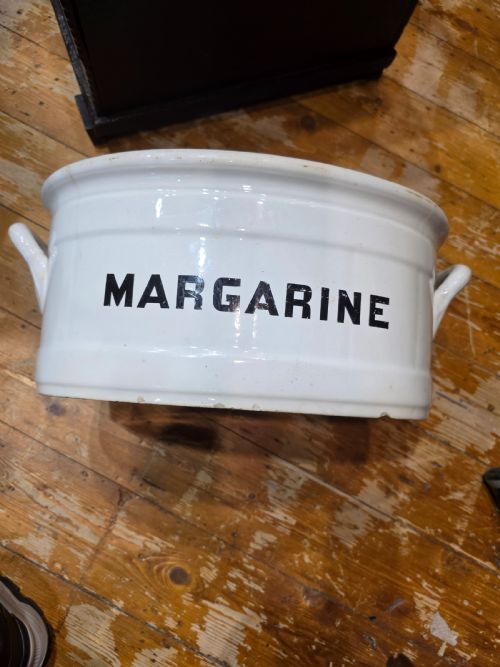
Makers utilised robust materials such as ironstone, solid mahogany, oak, and brass to withstand daily handling in busy retail environments. Enamel signs were fired with vitreous glazes to resist weather on exterior walls, while glass elements frequently employed reverse-painting and cutting techniques for interior window displays.
Woodworking traditions are evident in hand-carved trade figures, dovetailed display cabinets, and sign-written pine chests of drawers produced by regional craftsmen. Metalwork appears in pressed iron trade signs, heavy dairy pails, and mechanical dispensing apparatus designed for soap or confectionery.
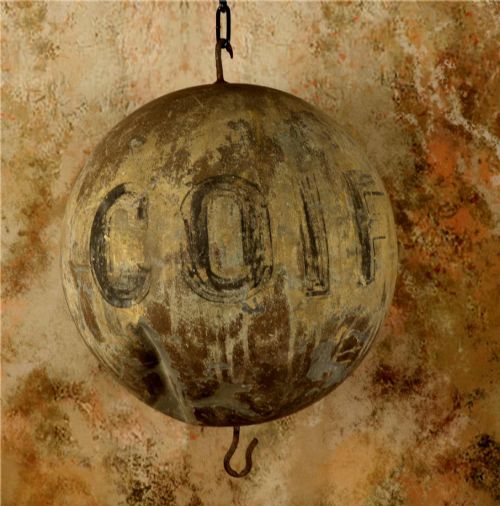
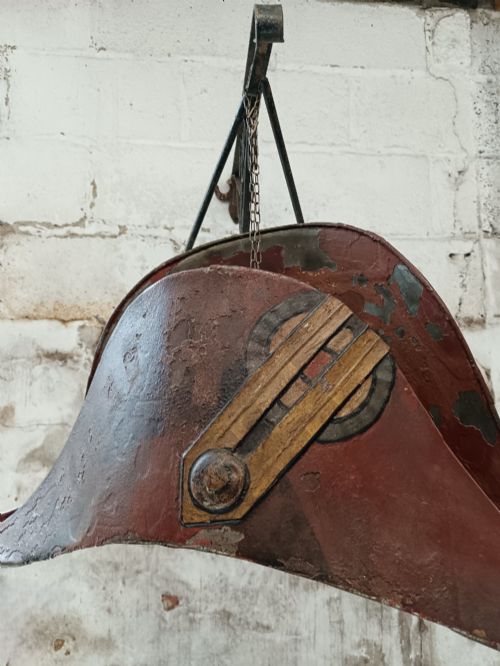
Surface decoration combined hand painting with early industrial printing methods, including ceramic transfers on tiles and scale plates. Toleware items incorporated shaped sheet metal finished with painted details to represent specific merchandise like bicorn hats.
Vintage Shop Advertising Retail Price Guide 2026
Typical asking prices for vintage shop advertising among the pieces listed under this phrase on Sellingantiques today, from the lower quarter to the upper quarter. They describe what is for sale here now, not the wider market.
Listings feature trade signs, display cabinets, and advertising models spanning the nineteenth century through the Art Deco period, utilising glass, iron, and mahogany.
What varies in quality
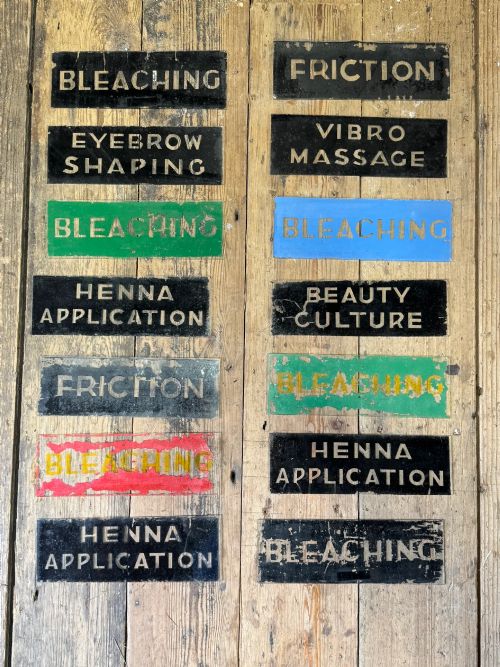
Quality in these commercial artefacts rests upon the integrity of the original surface, the boldness of the graphic design, and the survival of authentic sign-writing. Pieces retaining their uncompromised factory or trade finish demonstrate superior historical value compared to those with modern restorations.
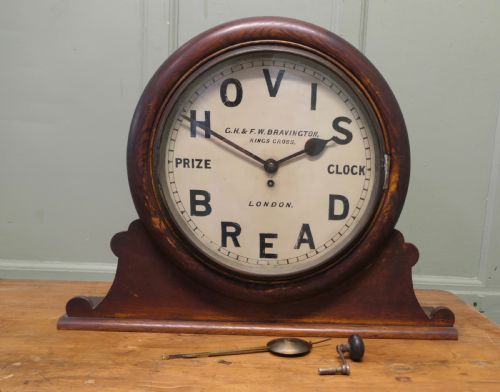
The sophistication of construction distinguishes standard utility items from top-tier commissions, such as solid mahogany display cabinets with original mechanical dispensing units or finely modeled composition advertising figures. Artisanal execution in hand-carved wooden figures or detailed reverse-painted glass elevates specific objects well above mass-produced counterparts.
The Vintage Shop Advertising Glossary
- Toleware
- Lacquered or enameled metalware produced from the eighteenth through the early twentieth centuries. Items made in this manner often served as trade signs or shaped representations of goods.
- Enamel sign
- A sheet metal panel fused with powdered glass through high-temperature firing. This process created a durable, glossy surface that protected advertising graphics from outdoor weather.
- Trade sign
- An object or board hung outside a merchant's premises to indicate their specific trade or profession. These were often carved or shaped into recognizable forms like animals or hats.
- Reverse-painted glass
- A technique where artists paint the design backward on the rear side of a glass panel so it views correctly from the front. This method was widely used for interior shop windows and illuminated signs.
- Display cabinet
- A glazed piece of shop furniture designed to showcase small merchandise while protecting it from customers. Examples include specialised units for tobacco, stationery, and chocolate.
Vintage Shop Advertising: Frequently Asked Questions
What are vintage shop advertising signs made of?
These items are constructed from materials chosen for durability in commercial environments, including ironstone, heavy glass, vitreous enamel, and solid woods like mahogany and oak.
Surfaces often feature hand-painted lettering, reverse-painted glass, or fired ceramic glazes designed to withstand the wear of busy retail streets.
How were trade signs used originally?
Merchants hung or mounted trade signs outside shops to identify their business to passersby, many of whom could not read text easily.
Figural signs shaped like animals, hats, or food items provided an immediate visual cue for services ranging from butchery to cobbling.
How do I date an enamel advertising sign?
Dating relies on typography styles, the specific brand names employed, and manufacturing techniques like the thickness of the iron base and the depth of the enamel gloss.
Victorian and Edwardian pieces tend to feature serif lettering and pictorial scenes, while later Art Deco designs lean toward cleaner geometric layouts.
Where should I place a shop display cabinet?
These cabinets work well in domestic interiors as tabletop or floor-standing display units for small collections, utilising their original glass panels and shelving.
Positioning them away from direct sunlight protects any aged wood finishes and historic sign-written surfaces from fading over time.