






Vintage Shell Lamp
These vintage shell lamp pieces combine natural forms with functional illumination, offering buyers distinctive decorative lighting from the nineteenth century onward.
Vintage Shell Lamp
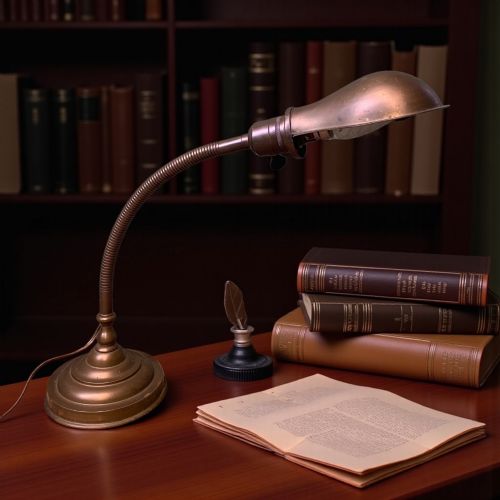
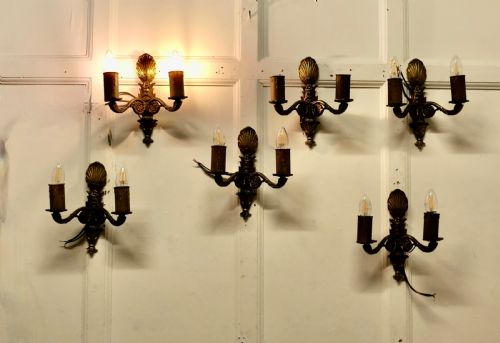
When you search for a vintage shell lamp, you are looking at functional lighting fixtures that incorporate shell motifs or natural shell construction into their design. The selection includes desk lamps, wall lights, and table lamps spanning periods from the nineteenth century through the mid-twentieth century.
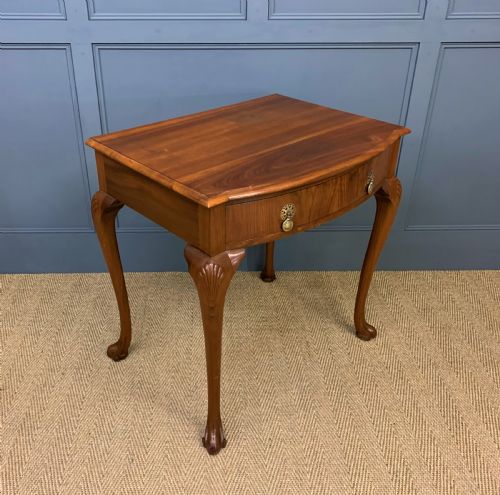
The versions you are most likely to meet on this page range from Art Deco frosted glass clam shell lights to Edwardian brass designs and folk art models built from actual shells. Alongside dedicated lighting, the evidence also captures occasional furniture such as walnut and mahogany tables that often accompanied these lamps in period interiors.
Makers and designers from the Edwardian era, Art Deco period, and French industrial workshops produced these pieces in varied forms, including adjustable reading lamps and twin wall lights. Each item reflects the design priorities of its decade, balancing practical illumination with decorative coastal or geometric motifs.
How they were made
Makers utilised a combination of metals such as brass, chrome, cast iron, steel, and bronze to form the structural bases, frames, and adjustable arms of these lamps. These metals were cast, turned, or plated to achieve the industrial and neoclassical finishes seen across the inventory.
Glass played a vital role, particularly frosted glass and cranberry glass moulded into shell shapes for shades and wall lights. Folk art examples demonstrate alternative methods, using adhesives and structural supports to assemble miniature models like churches and lighthouses entirely from natural shells.
Vintage Shell Lamp Retail Price Guide 2026
Typical asking prices for vintage shell lamp among the pieces listed under this phrase on Sellingantiques today, from the lower quarter to the upper quarter. They describe what is for sale here now, not the wider market.
Periods represented span the 19th Century, Edwardian era, 1900, 1910, 1920, 1930, and 1940.
What varies in quality
The distinction between tiers rests on the calibre of the materials and the precision of the metalwork or glass moulding. Superior examples feature heavier gauge brass, unblemished chrome plating, and thick, evenly tinted glass components that retain crisp relief in their shell motifs.
Construction integrity also dictates standard, with adjustable mechanisms operating smoothly and joints remaining secure without excessive play. Folk art pieces vary according to the symmetry of the shell arrangement and the stability of the underlying armature.
The Vintage Shell Lamp Glossary
- Art Deco
- A design style characterised by sleek geometric shapes, stylised natural motifs, and streamlined industrial forms popular during the 1920s and 1930s.
- Frosted Glass
- Glass treated to scatter light and create a translucent appearance, frequently utilised in period lighting to soften illumination.
- Cranberry Glass
- A rich red glass produced by adding gold chloride to the molten mixture, often seen in Edwardian and Victorian desk lamps.
- Folk Art
- Utilitarian or decorative items created by self-taught makers using accessible materials, encompassing pieces constructed from natural shells.
- Neoclassical
- A style inspired by the classical art and architecture of ancient Greece and Rome, prioritising symmetry, proportion, and restrained ornamentation.
Vintage Shell Lamp: Frequently Asked Questions
What periods do these lamps come from?
The pieces span the nineteenth century, the Edwardian era, and the 1920s, 1930s, and 1940s.
Art Deco and Edwardian designs dominate the selection of lighting fixtures.
How were shell lamps used originally?
Desk lamps and reading lamps provided targeted illumination for workspaces and studies in homes and offices.
Wall lights and table lamps served as ambient room lighting or decorative accents in sitting rooms.
What materials are common in these pieces?
Brass, chrome, bronze, and cast iron form the structural metal components of the lamps.
Glass, including frosted and cranberry varieties, appears alongside natural shells in folk art models.