

Vintage Shade Fixture
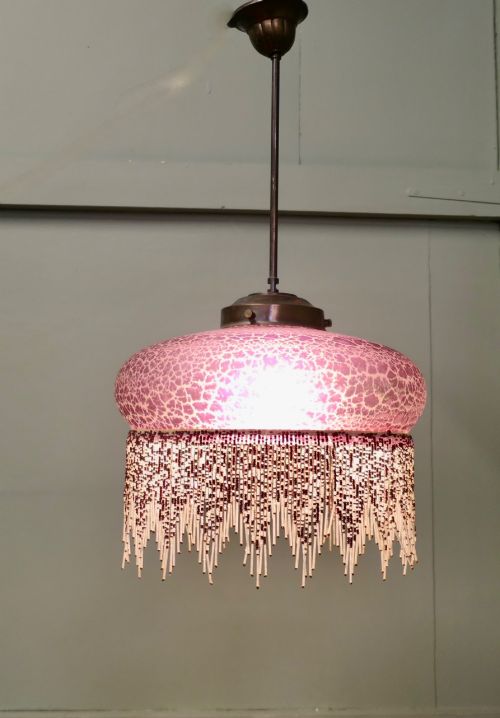
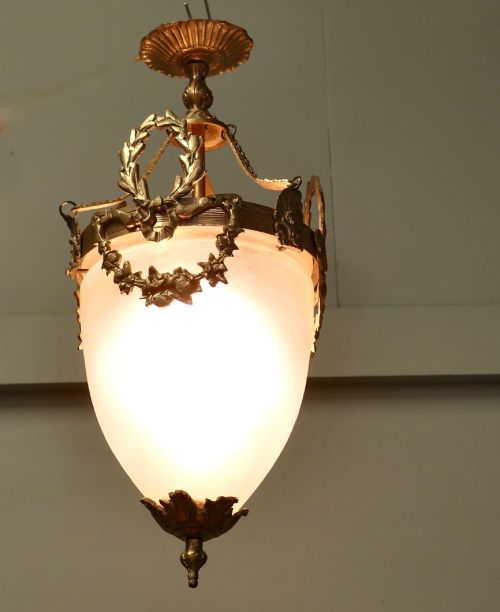
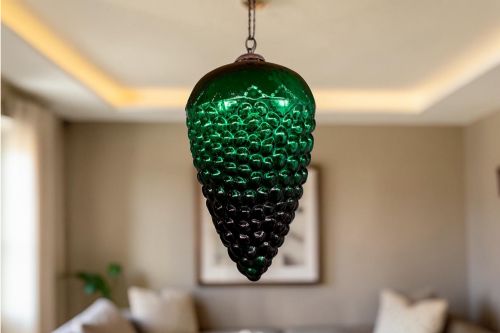
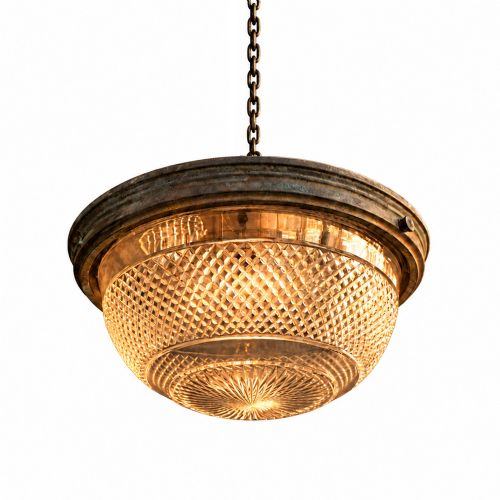
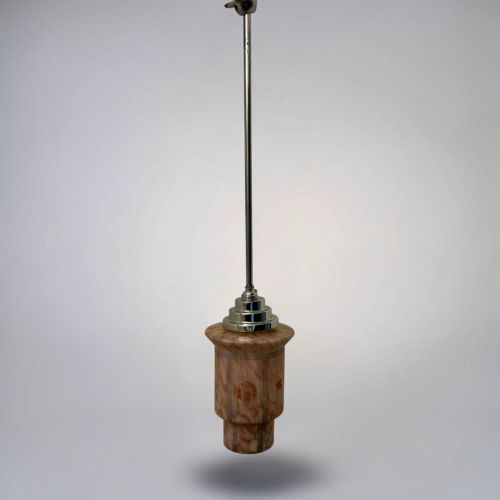
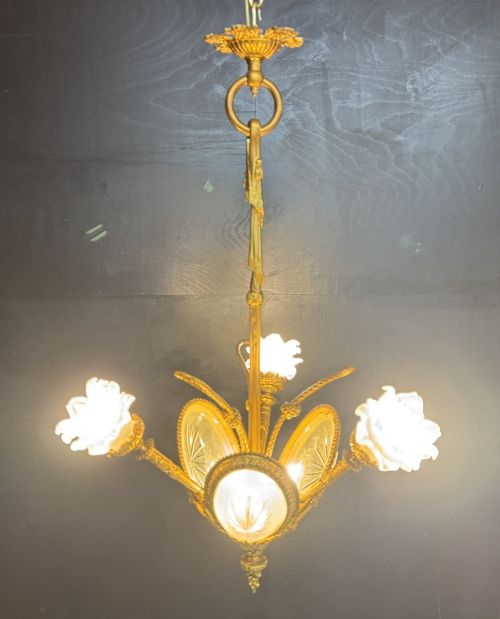
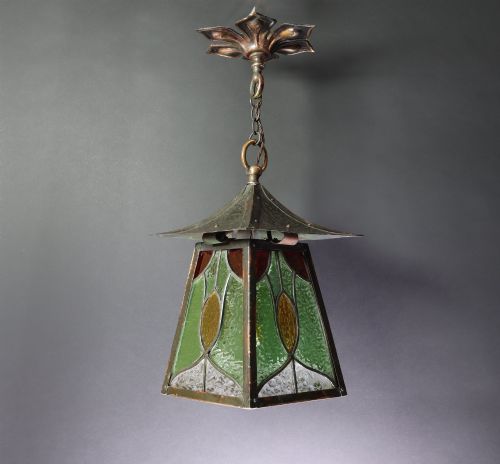
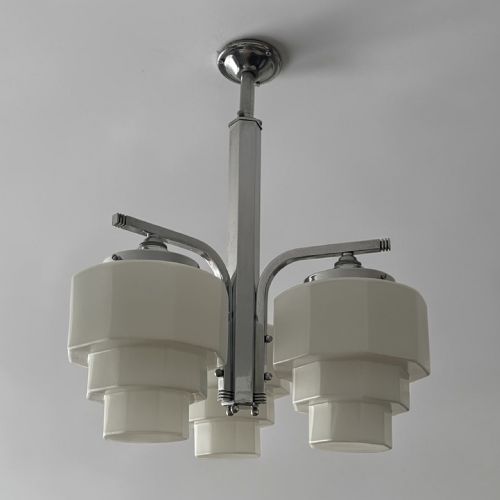
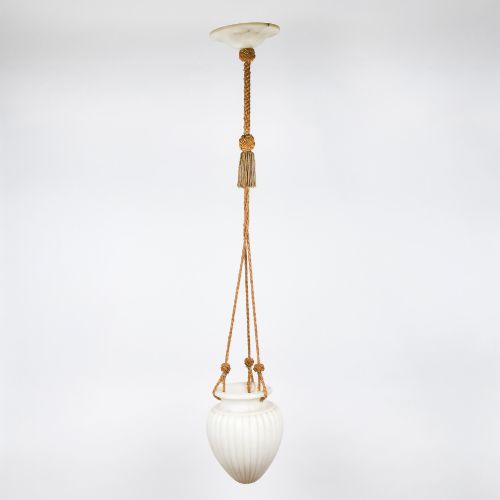
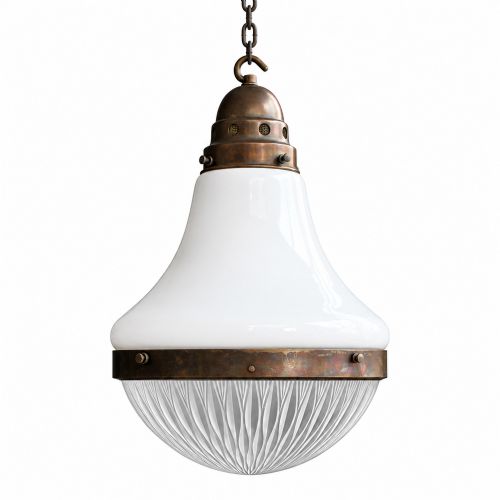
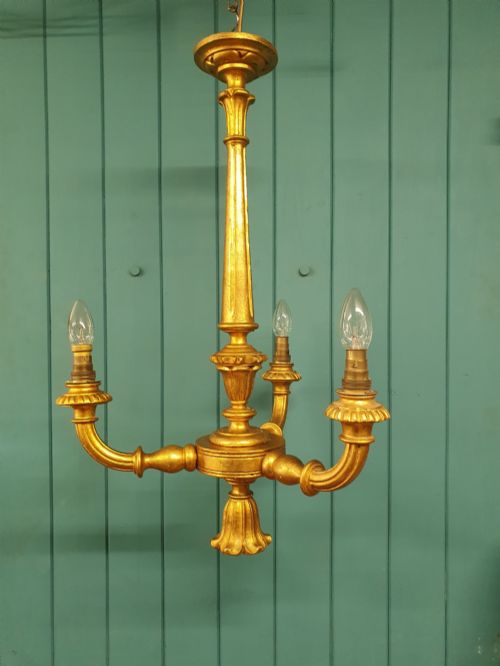
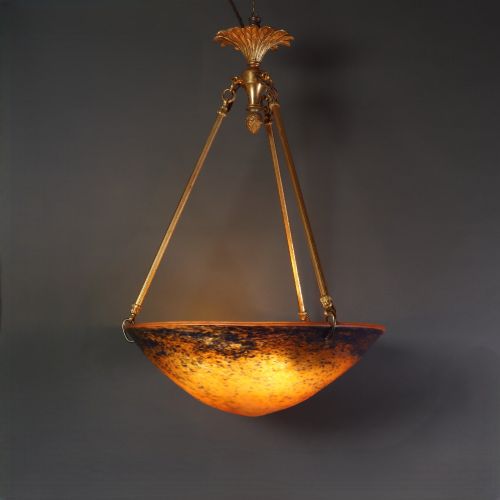
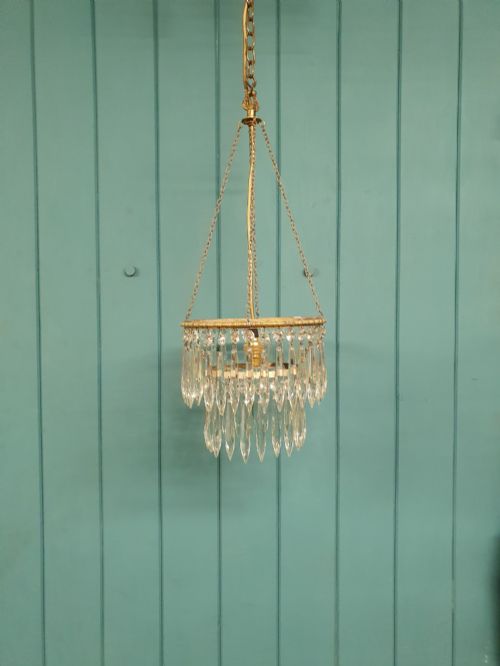
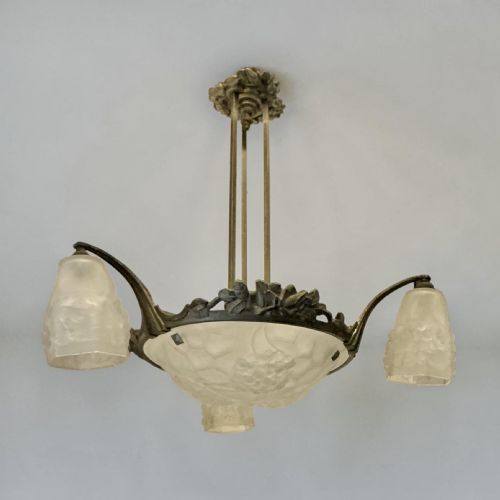
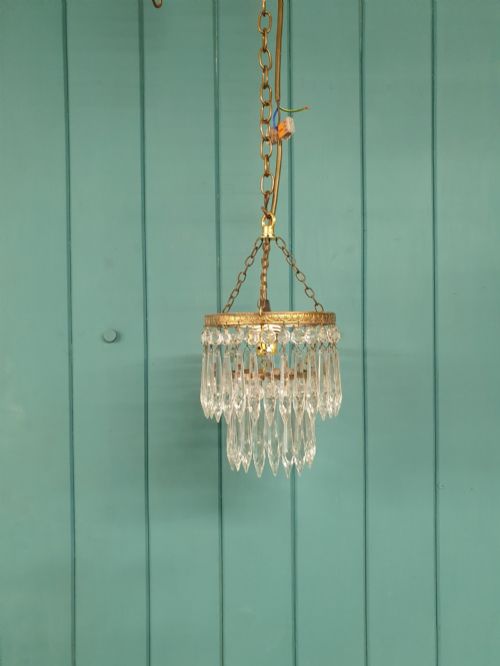
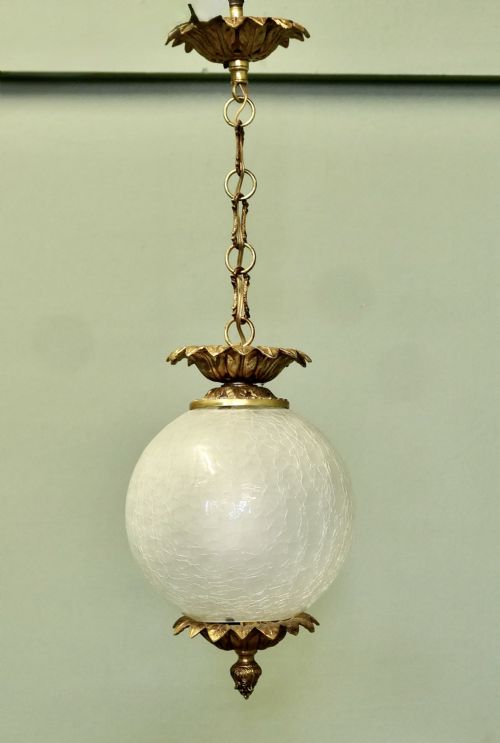
These vintage shade fixture examples range from brass and cut glass chandeliers to Arts and Crafts copper lanterns.
Vintage Shade Fixture
A vintage shade fixture encompasses pendant lights, ceiling lights, chandeliers, table lamps, and wall lights collected from past centuries. Buyers examining this page will find diverse lighting forms spanning the Victorian, Edwardian, and Art Deco periods.
The most common items met on this page include brass and glass ceiling lights, Art Deco glass pendants, and early twentieth-century chandeliers. These lighting fixtures illuminate domestic spaces while offering distinct historical craftsmanship.
What varies in quality
The standard of materials and the complexity of assembly separate standard examples from finer works. Heavy cast brass components and hand-cut crystal spikes demonstrate superior manufacturing effort compared to simpler pressed metal alternatives.
Artistic attribution and glass quality dictate the upper tier of the selection. Signed glass by known makers and intricate leaded stained-glass configurations reflect higher workshop standards.
Vintage Shade Fixture Retail Price Guide 2026
Typical asking prices for vintage shade fixture among the pieces listed under this phrase on Sellingantiques today, from the lower quarter to the upper quarter. They describe what is for sale here now, not the wider market.
Some nautical pendant lights preserve faint traces of salt air and transatlantic trade within their heavy copper frames.
Charles Schneider·Degué·Émile-Jacques Ruhlmann·Royal Doulton·Angelo Brotto for Esperia·Jefferson
The Vintage Shade Fixture Glossary
- Plafonnier
- A ceiling light fixture designed to sit close to or flush against the ceiling surface. These usually feature moulded or frosted glass bowls held by metal mounts.
- Rise and fall
- A mechanical pulley system allowing the height of a hanging pendant light to be adjusted up and down. This mechanism often operates via a counterweight concealed within the suspension.
- Ormolu
- Finely ground high-carat gold applied to a bronze or brass base object using a mercury-gilding technique. This treatment creates a rich metallic lustre seen on French decorative pieces.
- Planished
- A metal surface finished by systematic hammering with a polished round-faced tool. This technique hardens the copper and leaves subtle faceted indentations across the metal.
- Gasolier
- A multi-burner hanging light fixture originally designed for illuminating gas fuel. Many examples later underwent conversion to accept electrical wiring.
Vintage Shade Fixture: Frequently Asked Questions
Can these old lights run on modern wiring?
Most antique and vintage fixtures require professional rewiring to meet current electrical standards safely. A qualified electrician can adapt internal fittings while preserving the original metal and glass exterior.
Original lamp holders or wiring from Victorian and Edwardian periods generally lack modern earth connections. Upgrading ensures safe operation in contemporary homes.
How do I hang a heavy brass chandelier?
Heavy chandeliers require direct ceiling joist support rather than simple plaster anchors. Installing a proper metal ceiling hook connected to the structural framing prevents damage.
Consulting a professional installer ensures the weight of brass, crystal, or marble components is supported securely. Proper hanging height also protects the fixture from accidental impacts.
How do I clean opaline and frosted glass?
Wash glass shades gently in warm water using mild soap and a soft cloth. Avoid harsh chemical cleaners or abrasive scouring pads that might damage fragile frosted surfaces.
Remove shades from the metal fixture before cleaning to prevent accidental drops. Dry each piece thoroughly before reassembly.
How are Victorian and Art Deco styles told apart?
Victorian lighting typically displays ornate brass casting, heavy glass, and traditional floral motifs or gasolier branching. Art Deco fixtures feature streamlined geometric shapes, symmetric glass panels, and stylised metalwork.
Examining the mounting hardware and glass silhouette quickly reveals the manufacturing era. Industrial and Arts and Crafts examples show more hand-worked copper and exposed fastenings.