




Vintage Serving Utensils
These vintage serving utensils bring formal dining history to the table through solid sterling silver, plate, wood, and antler.
Vintage Serving Utensils
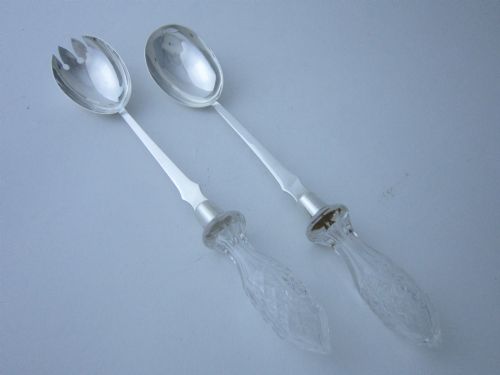
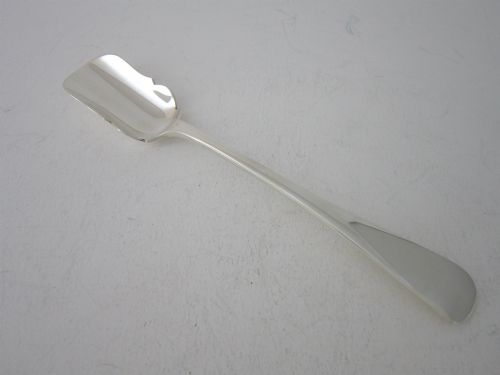
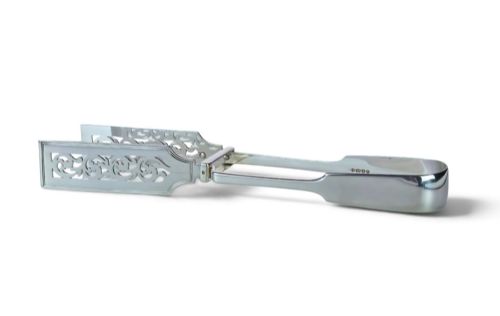
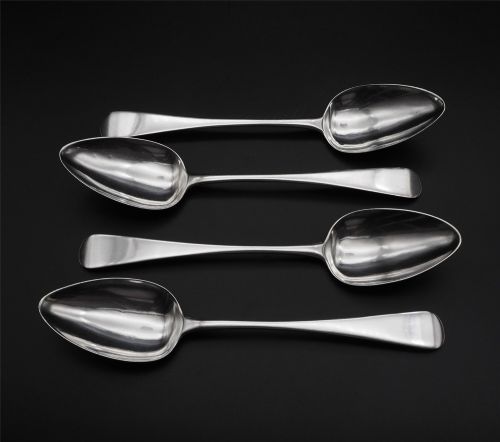
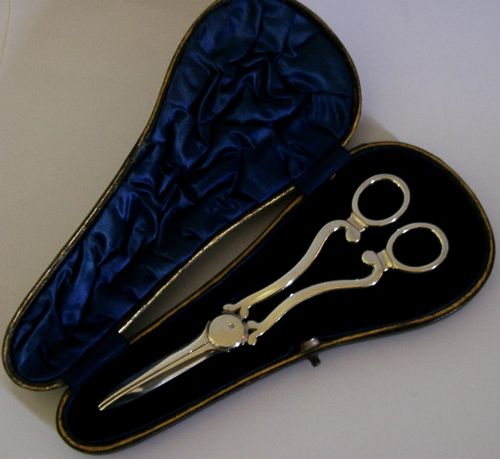
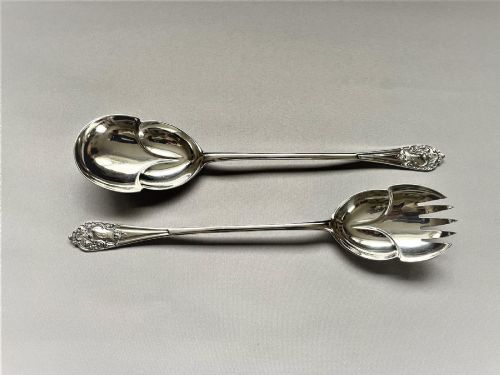
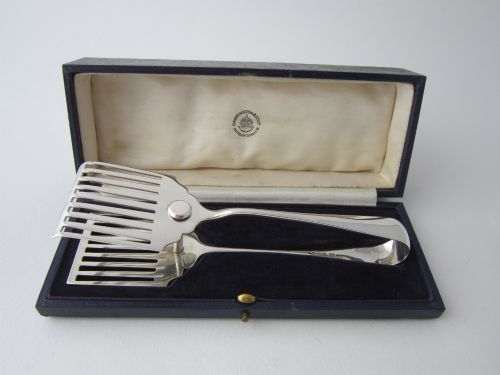
Vintage serving utensils encompass specialised dining implements created across the Georgian, Victorian, Edwardian, and early twentieth-century periods. When looking for vintage serving utensils, buyers encounter specific implements designed for distinct foods, including asparagus tongs, grape shears, salad servers, marrow scoops, and stilton scoops.
Edwardian and Victorian silver salad servers, grape scissors, and serving spoons appear most frequently among the current selection. These pieces reflect formal dining traditions where dedicated utensils matched specific courses on the table.
How they were made
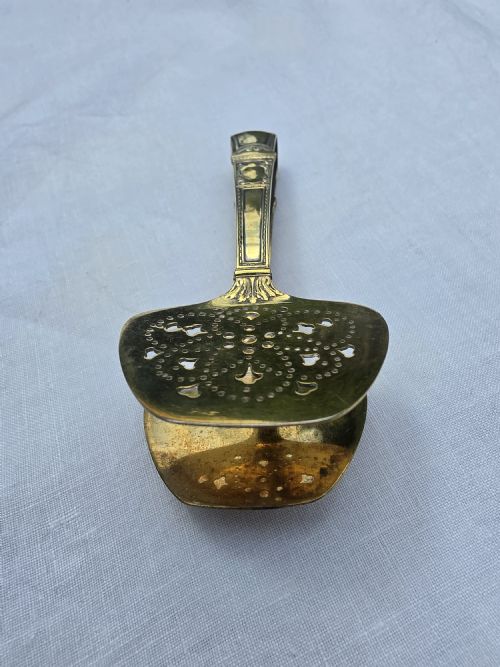
Silversmiths utilised traditional techniques such as casting, piercing, and engraving to shape sterling silver and silver gilt into ornate patterns and functional forms. Many pieces incorporate rat-tail bowls, scallop shell bowls, and pierced ends executed by hand.
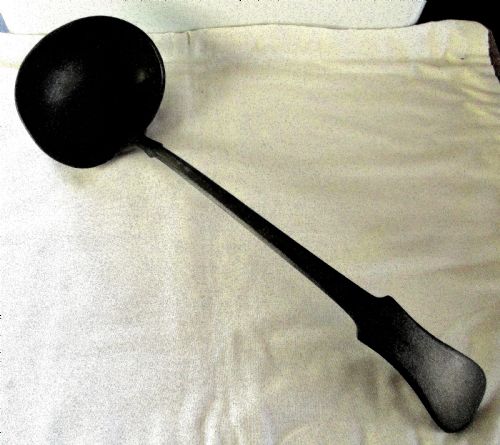
Alternative materials required distinct craftsmanship, seen in turned beechwood basting spoons, carved Inuit antler spoons, and mother-of-pearl bread fork handles paired with silver tines. Fitted presentation cases often lined with velvet, silk, satin, or leather housed high-grade silver sets.
Vintage Serving Utensils Retail Price Guide 2026
Typical asking prices for vintage serving utensils among the pieces listed under this phrase on Sellingantiques today, from the lower quarter to the upper quarter. They describe what is for sale here now, not the wider market.
Listings feature sterling silver and silver plate alongside organic materials including beechwood, pewter, silk, velvet, and Inuit antler.
What varies in quality
The standard of execution separates master silversmith output from standard production, visible in the depth of cast ornamentation and the crispness of engraved details on handles and bowls. Heavy-gauge sterling silver provides structural rigidity that lighter silver plate or thin alloy lacks during daily use.
Makers' marks and assay office hallmarks dictate provenance and metal purity, with pieces bearing clear stamps from noted silversmiths commanding greater interest. The preservation of original fitted boxes lined with silk or velvet also influences the overall integrity of a set.
Elizabeth Eaton·Tiffany and Company·Dixon and Son·Jonathan Hayne·Georg Jensen·William Devenport·Whiting Co.
The Vintage Serving Utensils Glossary
- Sterling silver
- A silver alloy containing 92.5 percent pure silver and 7.5 percent other metals, usually copper, ensuring structural durability for tableware. This standard metal forms the basis of most high-grade antique cutlery.
- Silver gilt
- Sterling silver that has been coated with a thin layer of gold on the surface. This technique provides a rich golden appearance while maintaining a solid silver core.
- Marrow scoop
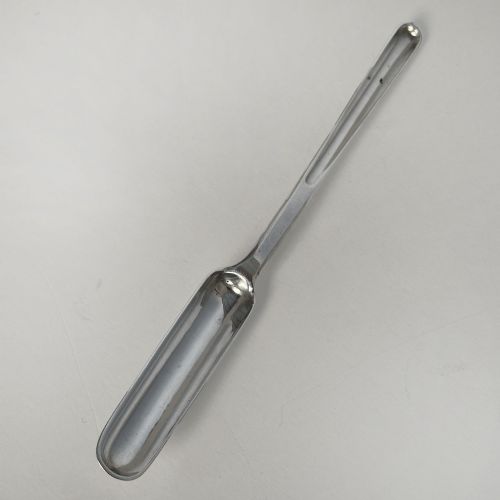
- A narrow, elongated double-ended spoon designed for extracting bone marrow from joints. These pieces date primarily from the eighteenth and nineteenth centuries.
- Grape shears
- Specialised scissors featuring curved blades engineered to cut stems of fruit without bruising the grapes. Victorian and Edwardian examples often display cast vine leaf decoration.
- Stilton scoop
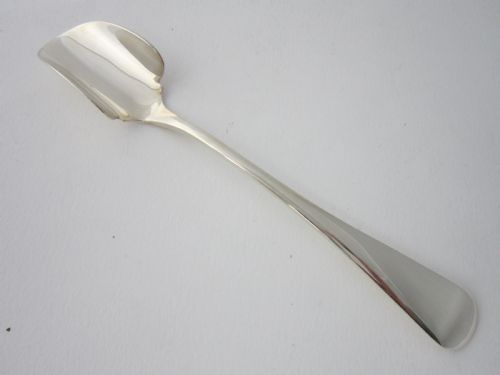
- A long, semi-cylindrical utensil fashioned for digging into hard cheeses like stilton. They frequently feature turned handles in bone, wood, or silver.
- Rat-tail
- A slender ridge of metal running down the back of a spoon bowl where it joins the handle stem. This traditional reinforcement strengthens the joint.
Vintage Serving Utensils: Frequently Asked Questions
How were asparagus tongs used?
Asparagus tongs held individual stalks securely during formal dining to prevent butter and sauces from dripping. The curved blades matched the vegetable's shape.
Victorian and Edwardian households relied on these specialised implements to maintain etiquette standards at the dinner table.
What is a berry spoon?
Berry spoons featured large, deep bowls decorated with repoussé fruit clusters and engraving. They served soft fruits during dessert courses.
Many George III and later iterations survived inside original fitted velvet or silk-lined presentation boxes.
How do I care for silver serving pieces?
Silver utensils require gentle hand washing with mild soap and warm water rather than abrasive cleaning methods. Soft cloths prevent scratching the delicate engraved surfaces.
Store pieces in dry environments away from direct sunlight to preserve the silver finish and any original fitted leather cases.
Are these utensils safe for food?
Most silver and silver-plated servers remain completely functional for modern dining and serving applications. Sterling silver possesses natural antibacterial properties.
Wooden and antler pieces require hand cleaning and conditioning to prevent the natural materials from drying out over time.