
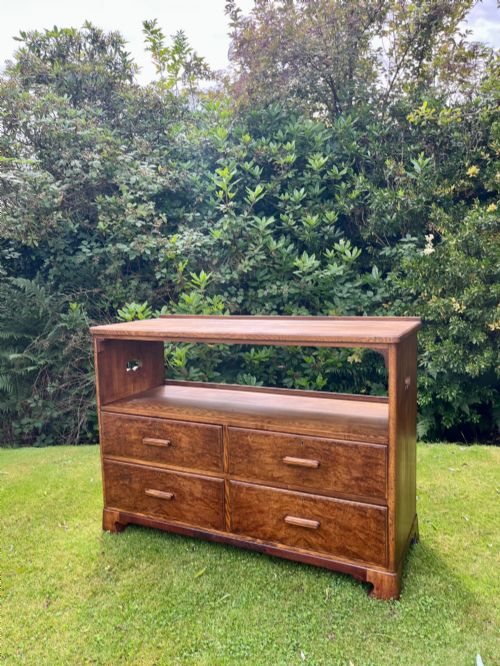
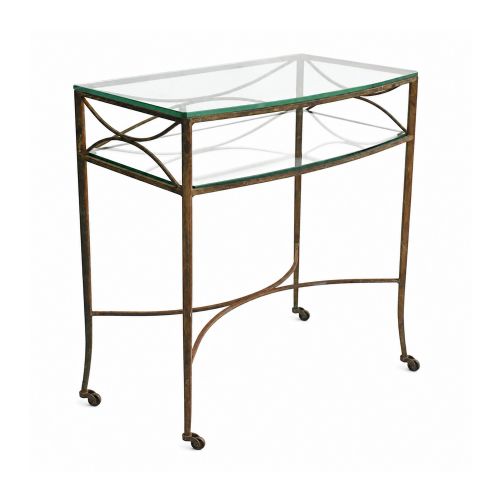


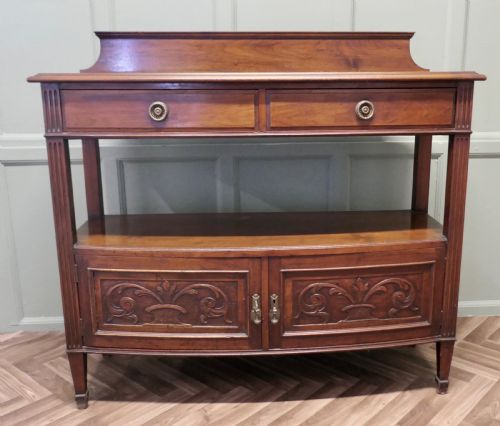


Vintage Server with Shelf
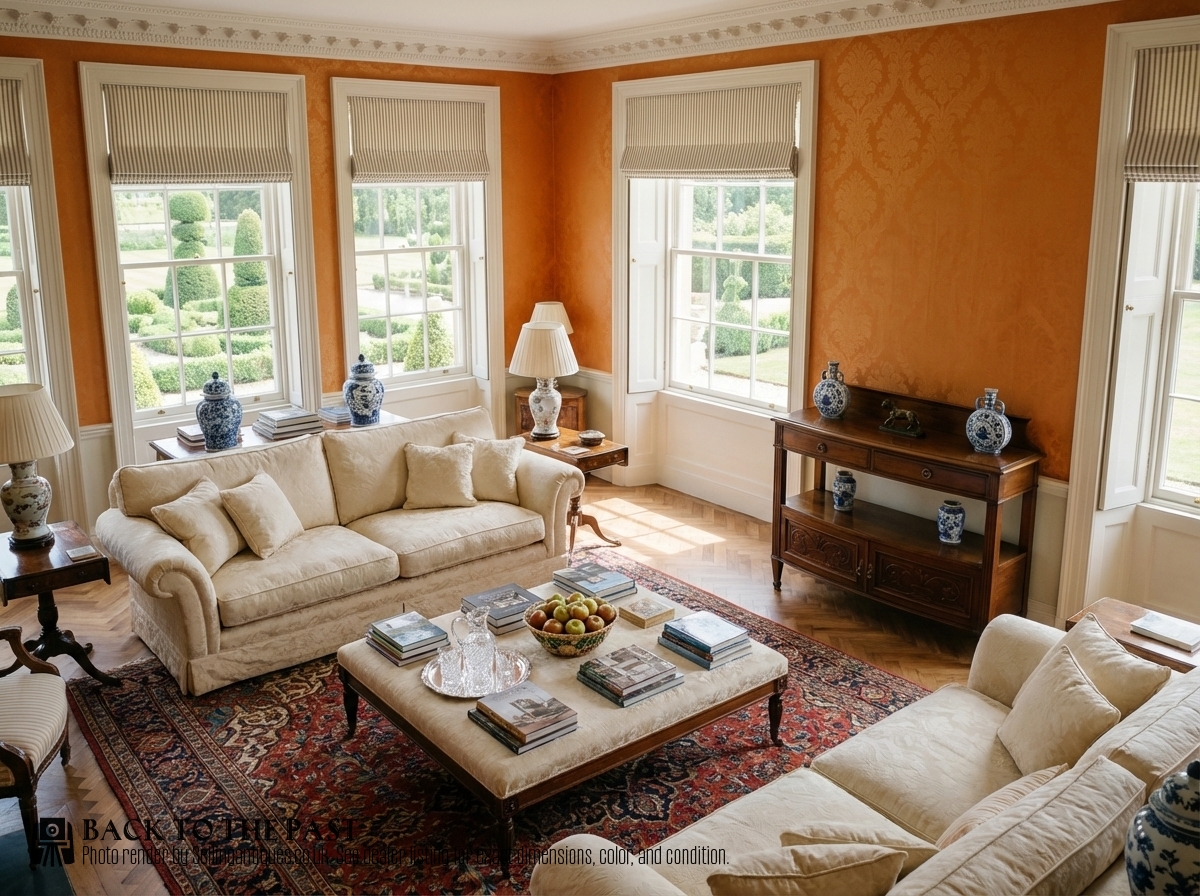
A vintage server with shelf brings understated character to a dining room, offering sturdy surface space and open display.
Vintage Server with Shelf
A vintage server with shelf sits within a lineage of dining and hallway furniture spanning the nineteenth century through the early twentieth century. These pieces appear in forms such as sideboards, chiffoniers, side tables, and washstands.
The materials recorded in these listings include mahogany, flame mahogany veneer, oak, satinwood, walnut, wood inlay, marble, and brass. Stylistic influences range from Regency and Victorian to Edwardian and Art Nouveau.
Buyers seeking a vintage server with shelf will encounter varied expressions of period craftsmanship, from Georgian revival oak side tables to inlaid Edwardian sideboards.
How they were made
Cabinet makers utilised dense hardwoods like mahogany and oak as the foundational structure for these servers and side tables. Flame mahogany veneer and satinwood add figured grain patterns across drawer fronts and cabinet doors.
Decorative detailing relies on precision wood inlay and carved elements, particularly seen in Art Nouveau walnut buffets and Sheraton revival pieces. Brass fittings provide functional handles and structural accents.
Some nineteenth-century sideboards retain faint pencil marks left by makers inside the drawers, recording an honest day's graft.
What varies in quality
Quality rests in the selection of timber and the precision of the joinery rather than mere age. Pieces featuring matched flame mahogany veneer or intricate wood inlay demonstrate greater workshop ambition.
The integration of secondary timbers and the crispness of carved mouldings separate standard utility pieces from finer vernacular examples.
The Vintage Server with Shelf Glossary
- Chiffonier
- A low sideboard or cabinet featuring shelves or a raised back. This form developed during the nineteenth century to store dining silver and display ceramics.
- Inlay
- A decorative technique where contrasting strips of wood or other materials are set into the surface timber. This creates geometric patterns or floral motifs.
- Flame mahogany
- A highly figured veneer cut from the branch junctions of the mahogany tree. The grain creates a distinctive flickering flame pattern.
- Sideboard
- A large dining room furniture piece designed for serving food and storing tableware. Versions range from compact servers to large pedestal models.
Vintage Server with Shelf: Frequently Asked Questions
What is a vintage server with shelf used for?
These pieces serve as practical side tables in dining rooms or hallways for holding serving dishes, lamps, and everyday items. The integrated shelf provides additional open storage for books or decorative objects.
Their sturdy timber construction ensures they handle daily use while adding period character to an interior.
How do I identify a Victorian piece?
Victorian furniture often relies on heavy proportions, dark mahogany timbers, and robust carving. Cabinet makers during this era favoured functional utility combined with secure enclosed storage.
Examining the interior drawer construction and secondary woods helps confirm the nineteenth-century origin.
What is the difference between an Edwardian and a Georgian piece?
Edwardian furniture often draws inspiration from earlier Sheraton revival styles, featuring lighter satinwood and mahogany with delicate inlay work. Georgian pieces tend to show heavier proportions and simpler architectural lines.
Reviewing the choice of veneer and leg style assists in separating the two periods.
How do I care for mahogany surfaces?
Mahogany benefits from occasional dusting with a soft, dry cloth and minimal exposure to direct sunlight. Avoiding synthetic polishes preserves the original finish and patina of the wood.
Maintaining stable room humidity prevents the timber from splitting or warping over time.