
Vintage Server Table
A vintage server table grounds a dining room or hallway, offering generous surface space and storage derived from centuries of hosting.
Vintage Server Table
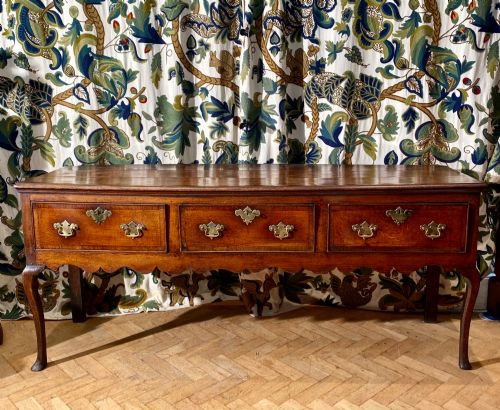
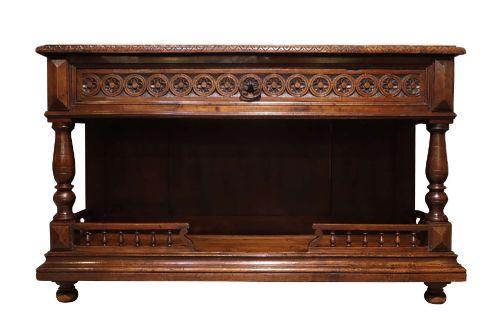
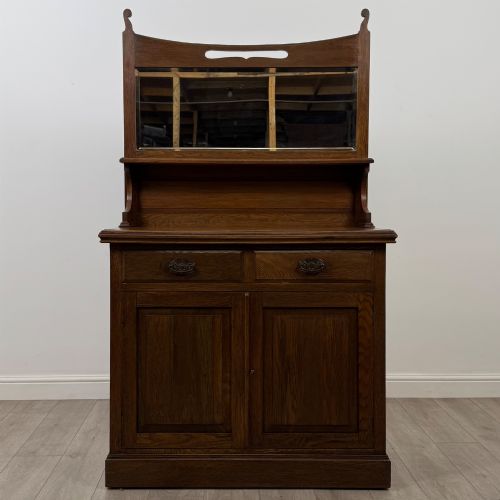
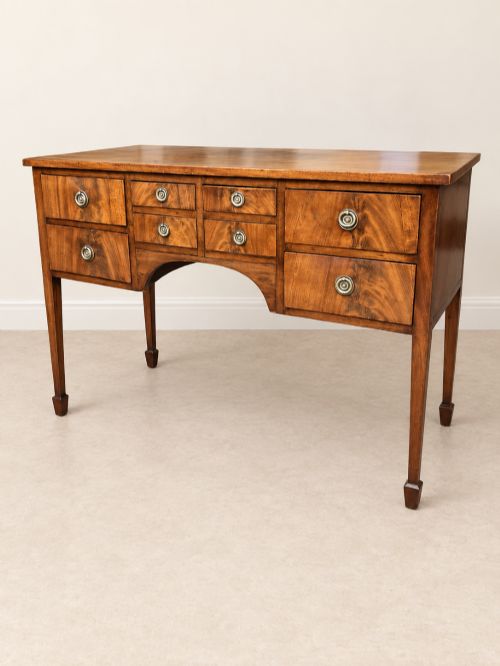
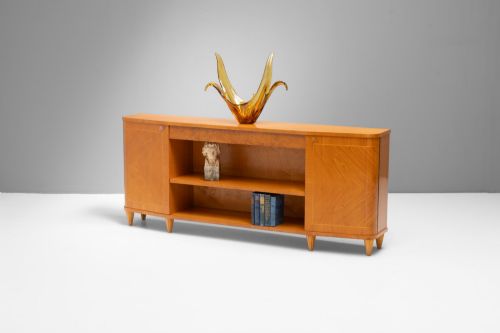
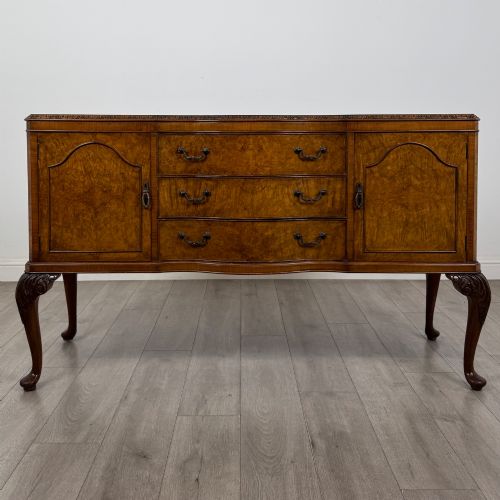
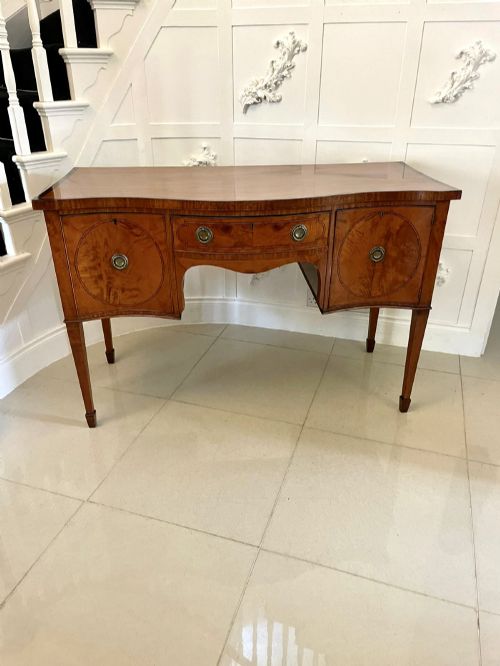
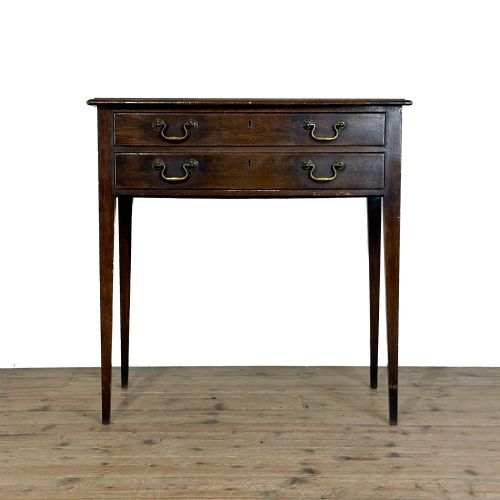
A vintage server table encompasses a wide variety of practical forms used for food preparation, service and display, including sideboards, console tables, dresser bases and serving tables. When searching for a vintage server table, buyers encounter pieces spanning from the 18th century through the Georgian, Victorian and Edwardian periods up to Art Deco designs of the 1930s.
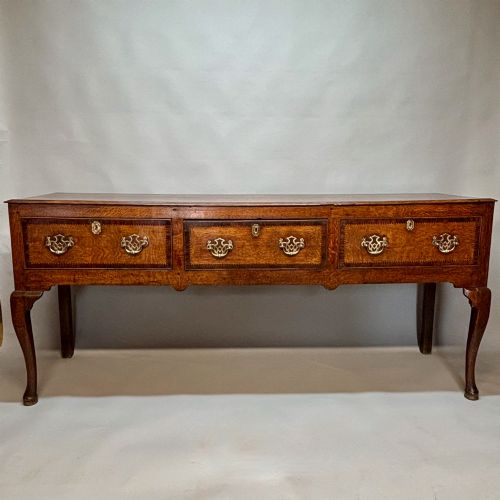
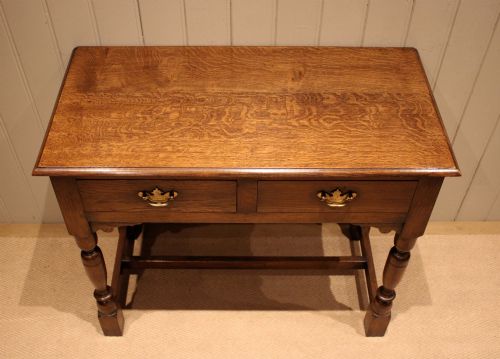
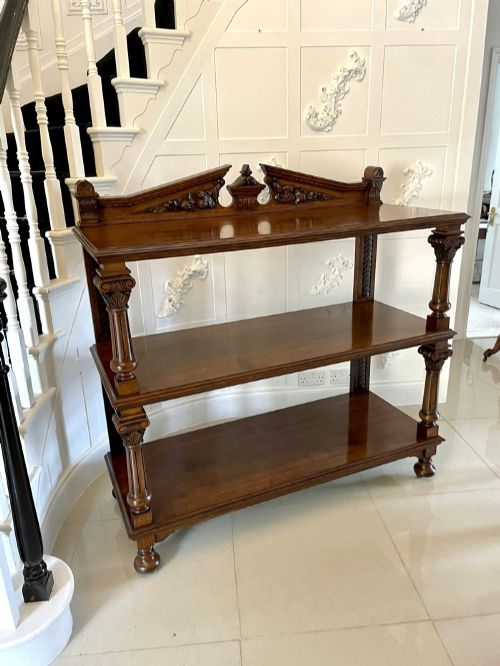
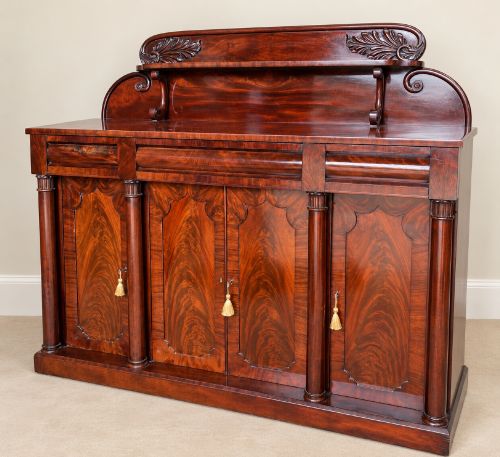
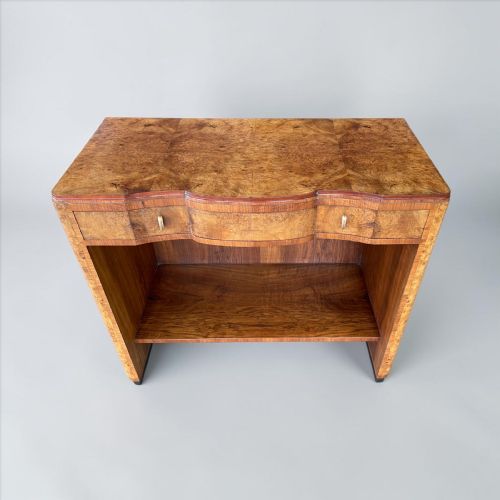
The most common forms on this page include oak and mahogany sideboards, lowboy side tables, console tables and dresser bases originating from British workshops and European makers. These pieces range from plain utilitarian dairy tables and side cabinets to carved oak dumbwaiters and figured walnut serving tables.
Makers and styles represented span Jacobean Revival, Queen Anne style, Regency and Gothic influences, reflecting how dining furniture evolved to suit domestic interiors across multiple centuries. Whether opting for a painted pine server or a mahogany bow-fronted sideboard, each object retains the functional proportions required for serving food and drink.
Materials and construction
Makers relied primarily on timbers such as oak, mahogany, walnut and burr walnut, supplemented by pine for secondary elements and occasional painted finishes. Cabinetmakers selected these woods for their structural integrity and decorative grain patterns, particularly when showcasing figured veneers on console tables and sideboards.
Construction techniques combined traditional joinery with applied carvings, brass hardware and metal plating. Pieces range from solid oak dresser bases featuring hand-cut drawers to polished satinwood and mahogany serving tables finished with precise proportions and period handles.
Several pieces include metamorphic serving trolleys and antique meat domes that once kept Victorian roasts warm at the table.
Assessing quality and craftsmanship
Quality rests in the selection of timber and the precision of the cabinetmaking, distinguishing standard utilitarian storage from pieces commissioned for formal dining rooms. Superior examples display carefully matched veneers, such as burr walnut or figured mahogany, alongside clean structural lines and original brass fittings.
Carving depth and finish also set finer pieces apart, with workshop-made items exhibiting crisp detailing in oak or satinwood compared to simpler commercial production. The integrity of the timber and the retention of period surfaces dictate the standing of each table within its respective era.
Maurice Adams·Edward Barnsley·Beresford and Hicks·Roberts Cadman
The Vintage Server Table Glossary
- Dresser base
- A low wooden storage unit with drawers and cupboards underneath a flat top, historically used for food preparation and serving in large kitchens.
- Console table
- A table designed to stand against a wall, frequently supported by wall brackets or decorative legs, commonly placed in hallways and dining rooms.
- Sideboard
- A large dining room cabinet used for storing silver, linen and serving dishes, evolving distinct bow-front and serpentine shapes during the Georgian and Victorian periods.
- Lowboy
- A small oak or walnut side table with drawers, typically raised on four tall legs, dating back to the 18th century.
- Dumbwaiter
- A tiered serving table or revolving stand used to hold dishes and utensils near a dining table without requiring a servant.
Vintage Server Table: Frequently Asked Questions
What is a vintage server table used for?
These tables provide practical surface space and storage in dining rooms, kitchens and hallways. They accommodate serving dishes, tableware and decorative objects during meals and gatherings.
Historically, they supported the transfer of food from kitchens to the dining table and stored essential dining linens and cutlery out of sight.
How do I style a server table at home?
Position the table against a prominent wall in a dining room, hallway or open-plan living space. Balance the surface with lamps, trays or serving items while utilising lower cupboards for everyday storage.
Pairing the piece with complementary seating or hanging a mirror above it creates a cohesive focal point that reflects historical interior arrangements.
How do I tell Georgian server tables apart from Victorian ones?
Georgian server tables often feature clean architectural proportions, mahogany or oak construction, and restrained decorative elements such as brass ring handles. They emphasise symmetry and classic restraint.
Victorian pieces tend to be heavier in scale, incorporating darker woods, richer carvings, and more ornate hardware reflecting the industrial advancements and stylistic revivals of the 19th century.
Are these tables suitable for modern dining rooms?
Their enduring proportions and functional storage make them highly adaptable for contemporary homes. They integrate smoothly into modern schemes while offering character and utility that flat-pack furniture lacks.
Using an antique oak dresser base or a walnut console table adds tactile warmth and genuine historical craftsmanship to a modern interior.