



Vintage Self Portrait
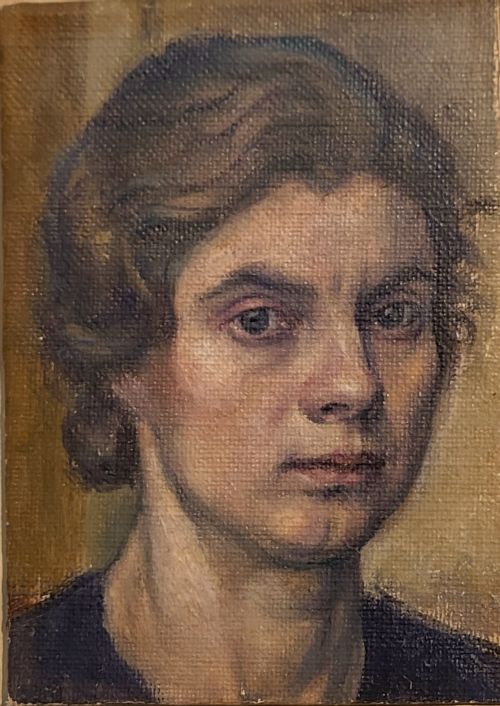
A vintage self portrait captures an artist turning their gaze inward, offering a direct encounter with the painter's own hand and identity.
Vintage Self Portrait
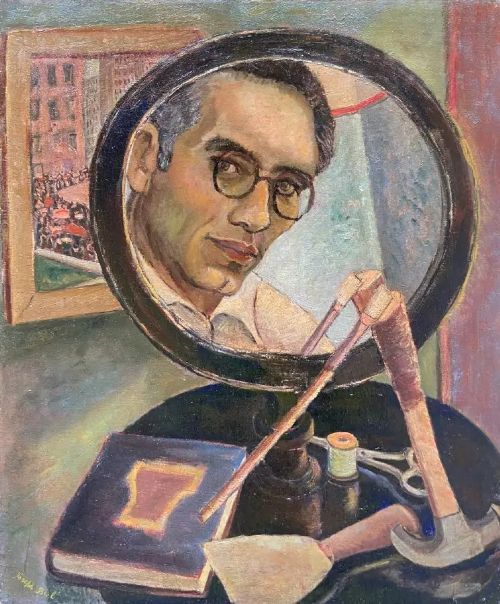
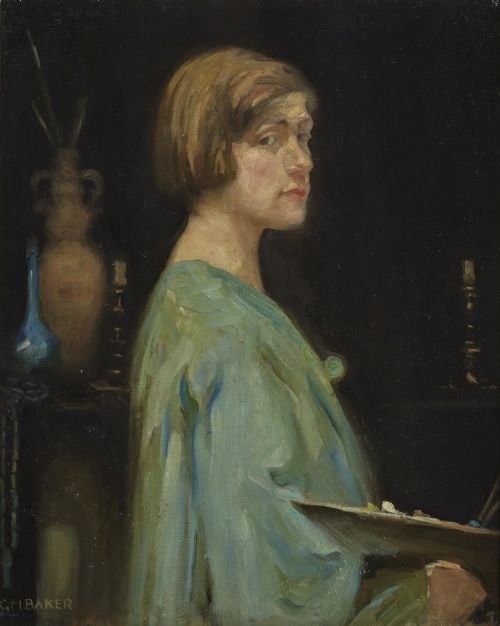
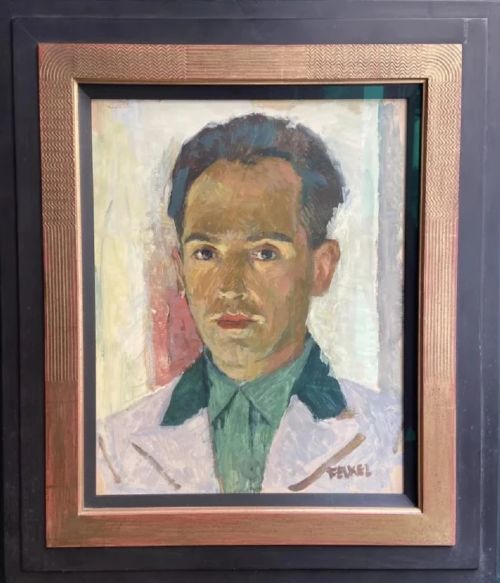
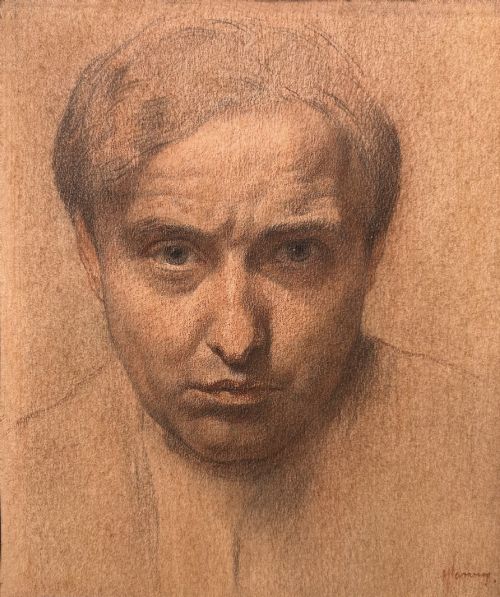
A vintage self portrait brings together works created across the nineteenth and twentieth centuries, spanning periods from the nineteen-hundreds to the nineteen-sixties. These pieces take the form of oil paintings and wall art rendered on canvas or wood panels.
The selections on this page include works by named painters such as Carl Felkel, Joseph Biel, Gladys Marguerite Baker, Herbert Johnson Harvey, Philip Naviasky, Alexandre-Louis Martin, Baruch Shalom Oskotsky, Ronald Ossory Dunlop, and Edwin Marsh, alongside examples from the British School.
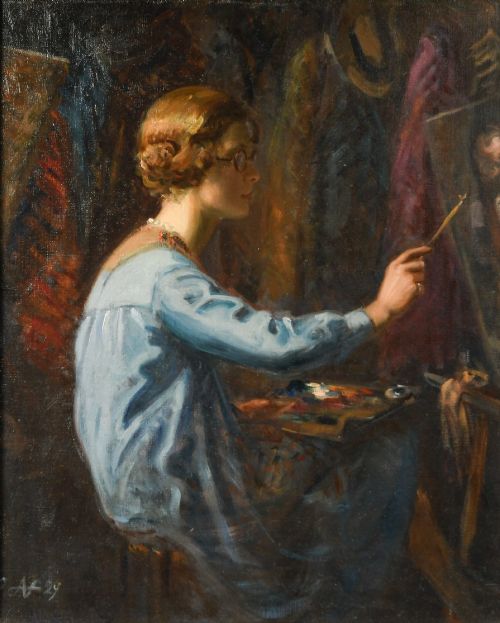
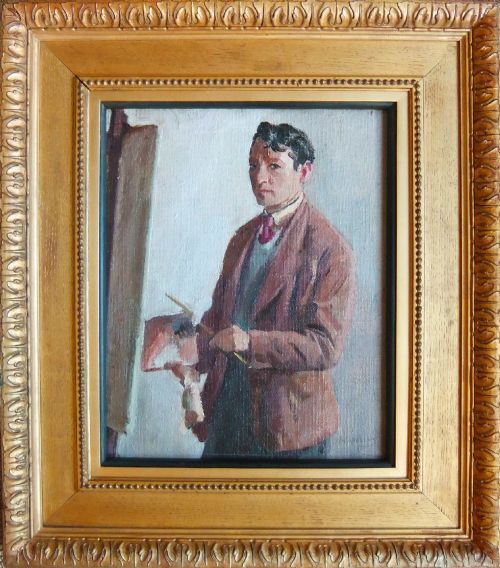
Compositions range from studio scenes featuring paint palettes and easels to mirrors and heroic or martyrdom poses en grisaille. Each piece presents an individual record of an artist observing themselves during a specific historical era.
How they were made
These works rely primarily on oil paint applied to canvas or wood supports, capturing the tactile brushwork of the period. Artists also utilised chalk and charcoal for preparatory marks and compositional structure.
Certain works incorporate metallic leaf to accent the canvas, adding a reflective quality to the painted surface. Support materials range from stretched canvas to solid wooden panels prepared for oil application.
Vintage Self Portrait Retail Price Guide 2026
Typical asking prices for vintage self portrait among the pieces listed under this phrase on Sellingantiques today, from the lower quarter to the upper quarter. They describe what is for sale here now, not the wider market.
Listings span multiple decades from the nineteenth century through the nineteen-sixties, incorporating canvases, wood supports, oil, chalk, and charcoal.
What varies in quality
The distinction between standard student exercises and finished gallery pieces lies in the depth of psychological engagement and the economy of marks used to build the form.
Carl Felkel·Joseph Biel·Gladys Marguerite Baker·Herbert Johnson Harvey·Philip Naviasky·Alexandre Louis Martin·Baruch Shalom Oskotsky·Ronald Ossory Dunlop·Edwin Marsh·F Flor
The Vintage Self Portrait Glossary
- Oil on Canvas
- Pigment mixed with drying oil applied to a woven fabric support stretched across a wooden frame. This medium allows for rich blending and textured impasto application.
- En Grisaille
- Painting executed entirely in shades of grey, monochromatic tones, or neutral hues to imitate sculpture or relief. This technique emphasises form and shadow over colour.
- Academic Realism
- Artistic style characterised by highly polished techniques and adherence to strict rules taught by European art academies. It emphasises accurate anatomy, smooth finishes, and traditional subject matter.
- Expressionism
- Modernist movement where artists seek to depict subjective emotions and responses rather than objective reality. It uses distorted forms and bold colours to evoke moods.
- Metallic Leaf
- Thin sheets of metal applied to decorative surfaces in artworks. It creates reflective highlights and catches ambient light.
Vintage Self Portrait: Frequently Asked Questions
How do I date a vintage self portrait?
Dating relies on stylistic markers, costume, framing, and recorded details from the artist's career. Mid-century pieces often display looser brushwork compared to academic works from earlier decades.
Signatures, exhibition labels, and canvas stamps on the reverse also provide chronological evidence to place the work within a specific period.
Where should I hang an oil painting?
Oil paintings on canvas require stable environmental conditions away from direct sunlight and excessive humidity. Keep them out of damp rooms and away from direct heat sources to protect the canvas and paint layers.
Wall placement should ensure the artwork sits at eye level, allowing comfortable viewing of the artist's brushwork and composition.
What is the difference between academic realism and expressionism?
Academic realism focuses on precise anatomical accuracy, smooth blending, and adherence to traditional academy standards. Every detail is rendered to mimic optical reality closely.
Expressionism prioritises emotional intensity through exaggerated forms, visible brushstrokes, and non-naturalistic colour choices that reflect the internal state of the creator.
Why do some self portraits include mirrors and tools?
Artists often included mirrors, easels, and paint palettes to document their working methods and environmental reality. These studio props contextualise the act of observation.
Including tools turns the artwork into a meta-commentary on the creation of art and the relationship between the painter and the reflected subject.