

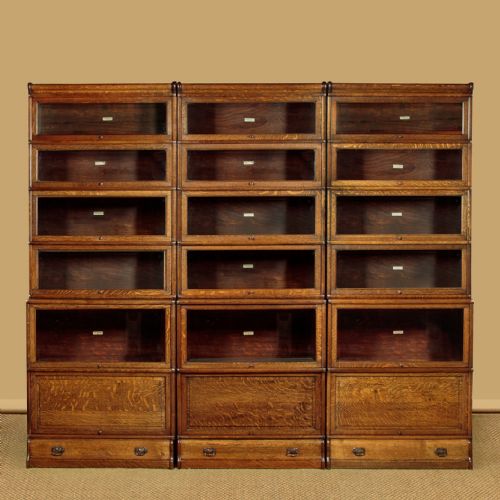


Vintage Sectional Shelf
A vintage sectional shelf offers modular versatility and practical charm, making it a clever choice for organising books and displaying cherished objects in any home.
Vintage Sectional Shelf
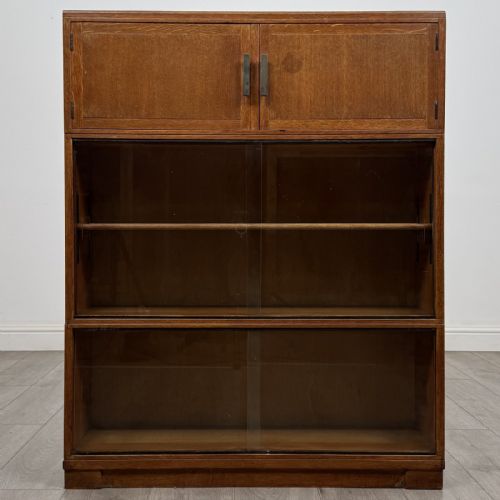
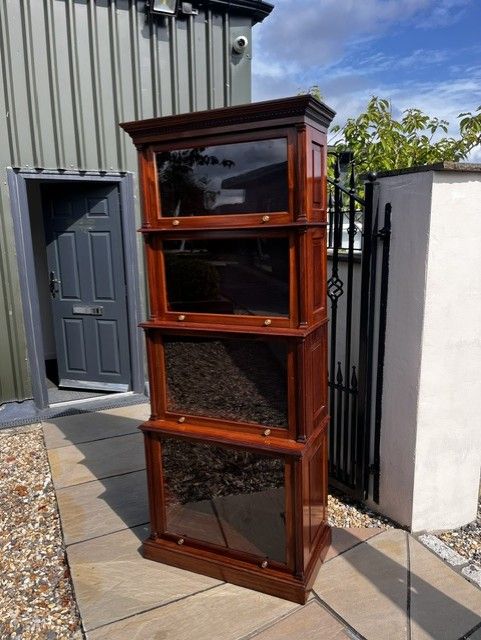
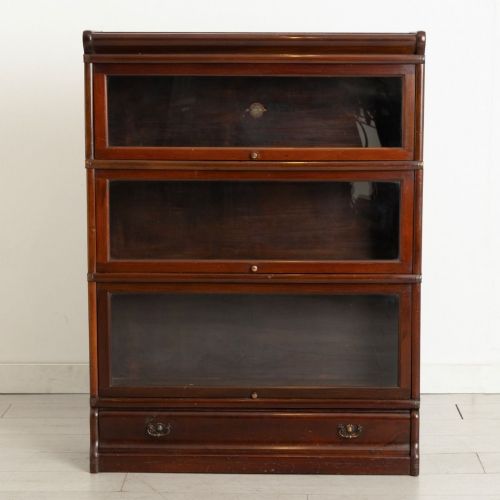
When you search for a vintage sectional shelf, you encounter modular bookcases and book tables designed to adapt to changing storage needs. These pieces comprise individual tiers or sections that stack together, often featuring glazed or lift-up glass doors to protect the contents within.
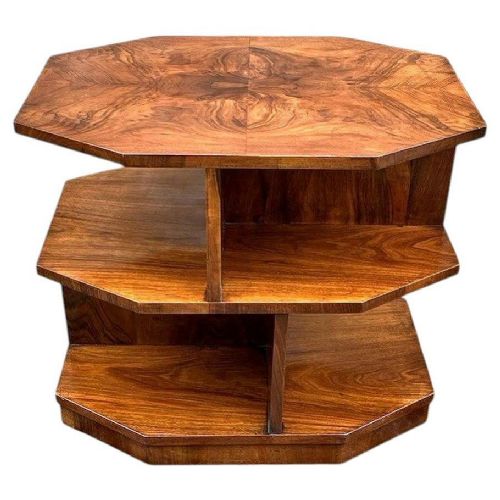
The versions most commonly met on this page date from the Edwardian era through the 1930s, spanning styles such as Edwardian, Art Deco, and Mid-Century Modern. They take the form of stacking bookcases and side tables, offering flexible configurations for modern interiors.
How they were made
Cabinet makers utilised durable hardwoods such as solid oak and mahogany, alongside figured walnut veneer, to construct the individual modular sections. These woods provided both structural integrity for stacking and rich grain patterns across the exterior surfaces.
Makers incorporated functional elements like brass hardware and glass panels within the doors of the stacking units. This combination of timber and glazing allowed users to easily view the books stored inside while keeping dust at bay.
Vintage Sectional Shelf Retail Price Guide 2026
Typical asking prices for vintage sectional shelf among the pieces listed under this phrase on Sellingantiques today, from the lower quarter to the upper quarter. They describe what is for sale here now, not the wider market.
The listings span the Edwardian period, 1910, 1920, and 1930, featuring materials like brass, glass, oak, mahogany, and walnut.
What varies in quality
Quality in a vintage sectional shelf rests on the choice of timber and the sophistication of the veneer work, distinguishing utilitarian office storage from domestic furniture intended for prominent display. Figured walnut veneer and solid mahogany examples demonstrate a higher degree of material selection than standard oak office variants.
The reputation of the maker also dictates the standing of a piece within its period, reflecting the precision of the modular mechanism and the finish of the timber. Pieces bearing recognised maker signatures command attention for their construction standards and enduring mechanical reliability.
Minty of Oxford·Globe Wernicke·Heal's·Lebus
The Vintage Sectional Shelf Glossary
- Sectional bookcase
- A modular piece of furniture built from separate tiers that stack vertically to form a single tall cabinet. Each tier typically has its own glass door that lifts and slides inside.
- Barrister bookcase
- A specific form of stacking bookcase traditionally used by lawyers to transport and house law books. The modular design allowed the library to grow section by section.
- Figured walnut veneer
- A thin layer of walnut wood with an attractive, swirling grain pattern applied over a secondary timber base. It elevates the decorative appearance of Art Deco furniture.
- Glazed
- Fitted with glass panels, usually within cabinet doors to protect the contents from dust while maintaining visibility. This finish is common on office and library bookcases.
Vintage Sectional Shelf: Frequently Asked Questions
What is a sectional shelf?
A sectional shelf is a modular storage unit made of stacked tiers that can be arranged or added to over time. They offer flexible height and compartmentalised organisation for books and decorative objects.
These pieces were originally designed for offices and home libraries where growing book collections required adaptable furniture solutions.
How do the stacking sections work?
Each tier sits independently upon the one below it, secured by alignment pins or the weight of the structure itself. The top and base cap the column to complete the cabinet.
This modular construction made the heavy bookcases easier to move and reconfigure in smaller spaces.
Where were these bookcases used?
They found places in professional offices, studies, and drawing rooms to protect valuable book collections from dust and damage. The glass-fronted tiers kept volumes clean while keeping titles visible.
Today, they suit living rooms and home offices as practical display furniture with period character.
How do I identify an Art Deco piece?
Art Deco versions often feature smooth surfaces of figured walnut veneer and clean geometric lines that depart from traditional Edwardian ornamentation. They reflect the modern design sensibilities of the 1930s.
Makers like Heal's produced distinct stacking furniture during this period.