



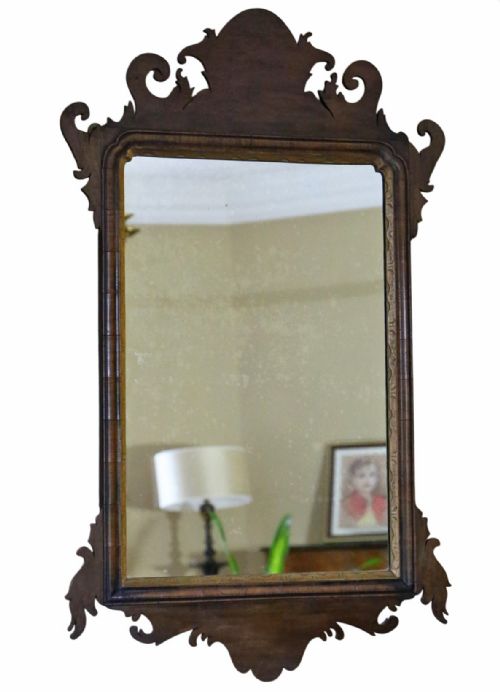


Vintage Scroll Mirror
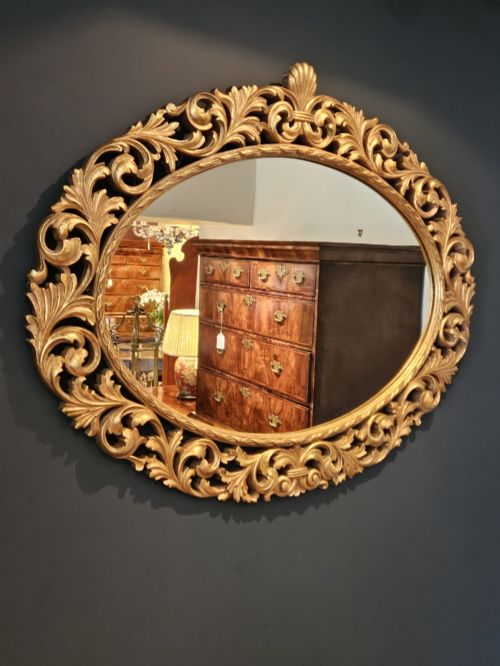
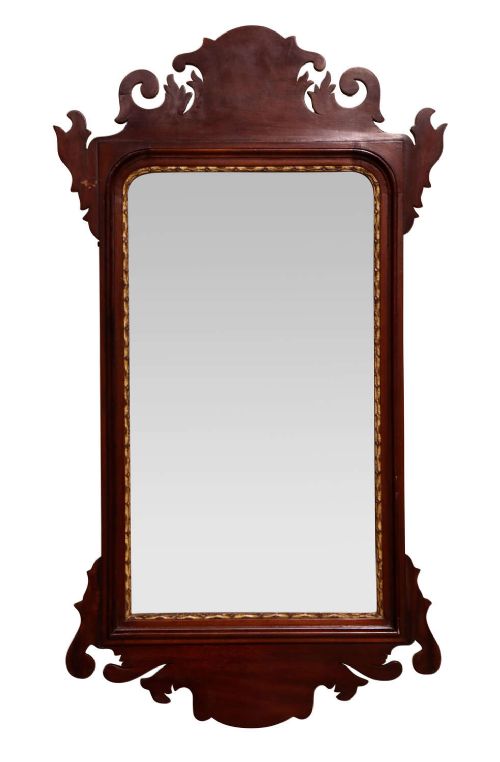
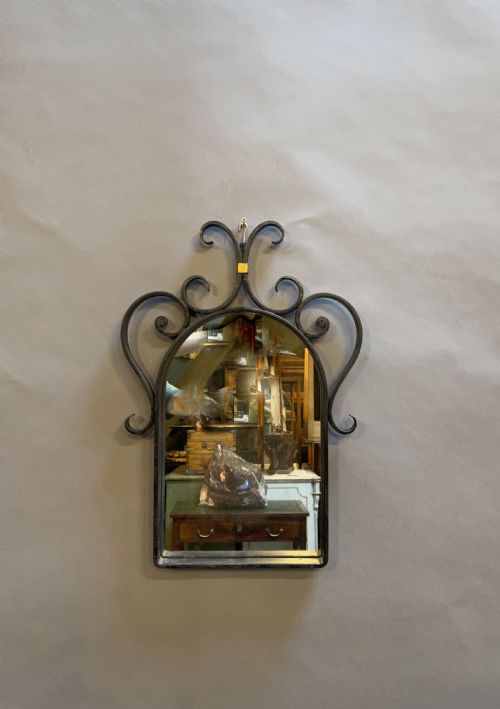
A vintage scroll mirror brings organic movement to a room, framing reflections with carved timber, giltwood or mahogany.
Vintage Scroll Mirror
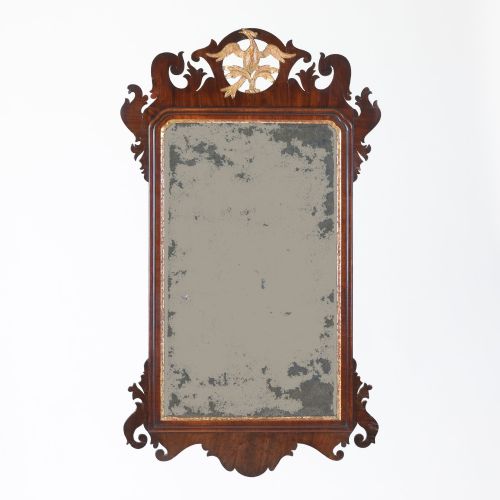
You are most likely to meet mahogany and walnut wall mirrors alongside gilded items carrying rococo flourishes. These pieces function as decorative focal points in reception halls, morning rooms, and bedrooms alike.
How they were made
Carvers shaped timbers such as mahogany, walnut, and sycamore using fret-cut techniques to achieve delicate scrolling silhouettes. Giltwood and gesso surfaces received layers of gold leaf applied over prepared grounds to create luminous metallic finishes.
Glass plates were silvered by hand, sometimes featuring engraved details or bevelled edges. Joinery relied on traditional pinned mortise and tenon construction, supporting the weight of heavy wooden frames and glass.
What varies in quality
The distinction between tiers rests upon the crispness of the carving and the depth of the scrollwork. Master carvers achieved clean, undercut foliage and balanced symmetry, whereas lesser examples rely on moulded composition ornaments rather than hand-carved timber.
Original mirror plates display subtle imperfections, slight distortion, and ageing within the silvering that separate period glass from later replacements. The integrity of the timber framing and the preservation of the original gilding further determine the standing of each piece.
The Vintage Scroll Mirror Glossary
- Gesso
- A plaster-like mixture applied to wood surfaces as a base for gilding or painting. It accepts fine detail when carved before applying gold leaf.
- Fretwork
- Openwork ornamentation carved in low relief from thin boards of timber. It defines the scrolling borders of Chippendale and Georgian wall mirrors.
- Overmantle mirror
- A large horizontal mirror designed to sit directly above a fireplace mantelpiece. These pieces often incorporate arched tops and giltwood frames.
- Giltwood
- Timber coated with thin gold leaf or powder over a prepared ground. It reflects candlelight and daylight within period interiors.
- Pier glass
- A tall mirror designed to hang on the narrow wall space between windows. These mirrors frequently paired with console tables.
Vintage Scroll Mirror: Frequently Asked Questions
Where should I hang a scroll mirror?
These mirrors suit spaces above mantelpieces, console tables, and dressing chests where their decorative frames act as focal points. In reception halls and morning rooms, they bounce light into darker corners.
Ensure the wall fixings match the weight of the timber and glass frame, particularly for larger overmantel and carved giltwood examples.
How do I identify a Georgian original?
Examine the timber behind the mirror plate and the construction methods used in the fretwork frame. Eighteenth-century pieces typically utilise dense mahogany or walnut with hand-cut joinery.
Look for period mirror glass displaying minor oxidation and subtle distortion, which distinguishes antique plates from modern replacements.
How do I care for antique giltwood?
Dust giltwood frames gently with a soft, dry brush to prevent the accumulation of dirt on delicate carved surfaces. Avoid liquid cleaners, as moisture strips gold leaf and damages the underlying gesso.
Keep these mirrors away from direct sunlight and damp environments to preserve the integrity of the antique timber and metallic finishes.