



Vintage Screw Back Earrings
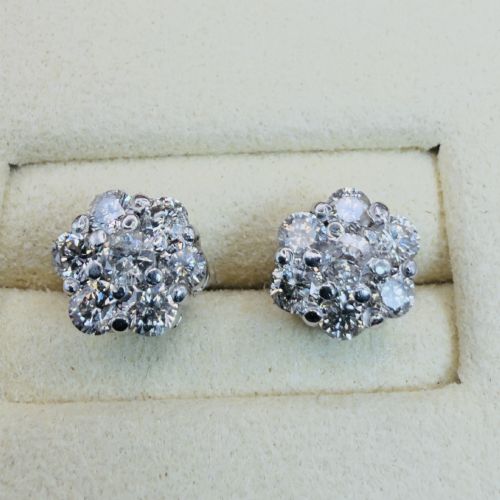
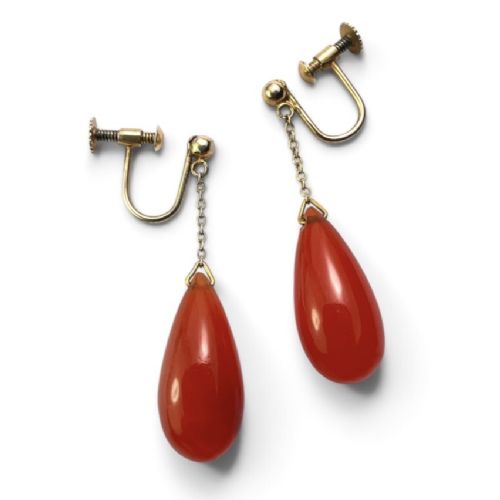
Vintage screw back earrings offer secure, non-pierced wear through threaded mechanisms, spanning eras from Victorian gold designs to mid-century diamond clusters.
Vintage Screw Back Earrings
Vintage screw back earrings provide a dependable option for unpierced lobes, relying on a threaded post and a small screw mechanism to adjust the fit. When handling vintage screw back earrings, buyers encounter diverse forms ranging from simple drops to ornate cluster studs.
The selection spans multiple decades, carrying stylistic traits from Edwardian filigree, Art Deco geometric settings, and mid-century modern designs. Materials shift from sterling silver and platinum to yellow and white gold.
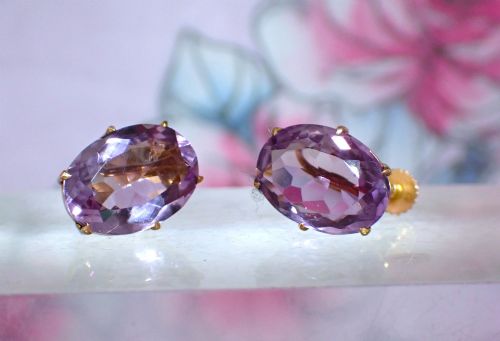
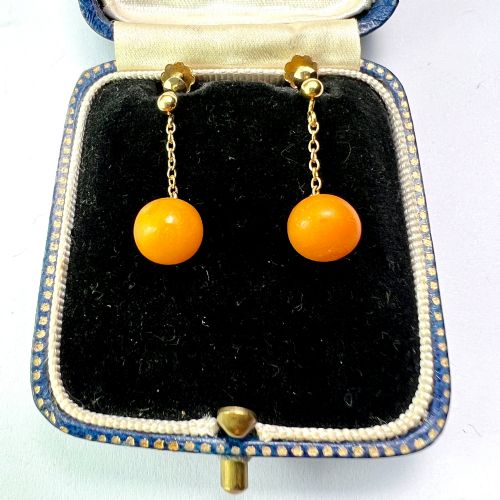
Earrings appear in configurations featuring gemstones, pearls, and coloured stones such as amethyst, garnet, tourmaline, and paste. Formats include chain drops, hoops, teardrops, and sunburst clusters.
How they were made
Goldsmiths utilised precious metals including nine-carat, fifteen-carat, and eighteen-carat gold, alongside platinum and sterling silver to fabricate the mountings and screw mechanisms. Stones were set by hand using claw, bezel, or flush techniques suited to the period.
Intricate decorative work involved granulation, wire twist, and filigree, particularly in Edwardian and Victorian examples. Art Deco pieces display geometric lines and calibre cuts, while mid-century items integrate clean contours with diamonds and pearls.
Vintage Screw Back Earrings Retail Price Guide 2026
Typical asking prices for vintage screw back earrings among the pieces listed under this phrase on Sellingantiques today, from the lower quarter to the upper quarter. They describe what is for sale here now, not the wider market.
The inventory records Edwardian chain drops, Art Deco geometric settings, and mid-century modern cluster stud earrings.
What varies in quality
Quality rests upon the precision of the screw mechanism and the integrity of the threads, which ensure the fastener holds securely without stripping. Metal weight and the presence of hallmarks or stamps also indicate the standard of manufacture.
The grade of set stones differentiates pieces, with natural diamonds, matched pearls, and clean coloured gems marking higher tiers compared to glass pastes. Hand-finished details in gallery work and secure stone settings separate finer examples from standard production.
Georg Jensen
The Vintage Screw Back Earrings Glossary
- Screw back
- A fastener style utilising a threaded post and a small rotating cap to tighten the fitting against the unpierced earlobe. This design allows the wearer to adjust the pressure precisely.
- Paste
- Hand-cut and polished lead glass used as a gemstone substitute in antique and vintage jewellery. It mimics the brilliance of diamonds or coloured stones.
- Filigree
- Delicate openwork jewellery created by soldering fine gold or silver wire into intricate decorative patterns. It is characteristic of Edwardian design.
- Cluster
- A stone-setting arrangement where a central gem is surrounded by a tight ring of smaller stones. This layout maximises visual impact and light reflection.
- Chalcedony
- A microcrystalline variety of quartz used in antique carvings and cabochons. It appears in translucent white and various dyed colours.
Vintage Screw Back Earrings: Frequently Asked Questions
Are these earrings comfortable to wear?
Comfort depends on adjusting the screw to the exact thickness of the earlobe without applying excessive pressure. When fitted correctly, they distribute weight evenly.
Most wearers find them secure and comfortable for extended periods once the right tension is set.
How do I date vintage screw back earrings?
Dating relies on stylistic markers, such as Victorian botanical motifs, Edwardian filigree, Art Deco geometric lines, or mid-century abstract clusters. Material choices like platinum, yellow gold, or white gold also offer chronological clues.
Hallmarks stamped on the metal can further narrow down the decade and country of origin.
Can screw back earrings be converted?
Converting vintage screw backs to pierced posts is technically possible by removing the screw mechanism and soldering a standard post. However, this alters the original vintage piece and removes its historic function.
Collectors generally prefer to keep them in their original unpierced format.