



Vintage Scale Architectural Model
These vintage scale architectural model pieces capture miniature building history, offering tactile representations of grand opera houses and folk art homes that collectors treasure.
Vintage Scale Architectural Model
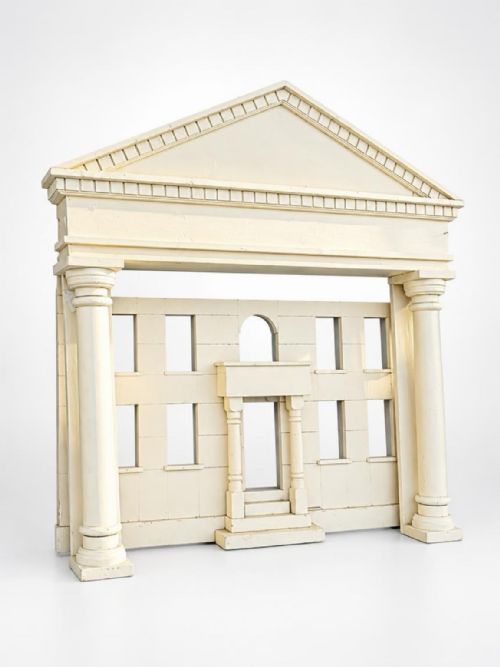
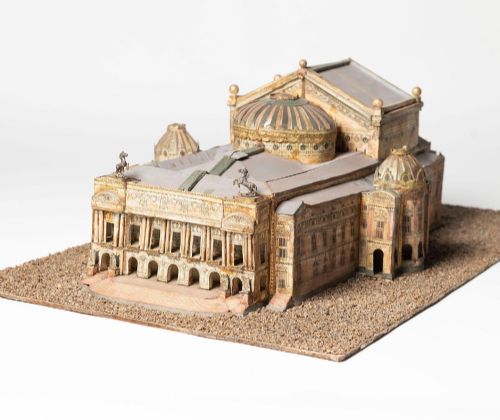
A vintage scale architectural model represents buildings and structures in miniature form, spanning periods from the Georgian era through to the 1930s. These pieces range from grand depictions of historical landmarks like the Paris Opera House to vernacular folk art houses and working windmills.
The selections on this page highlight both professional architectural studies and vernacular craftwork. You are most likely to encounter early twentieth-century wooden and pine examples alongside nineteenth-century creations.
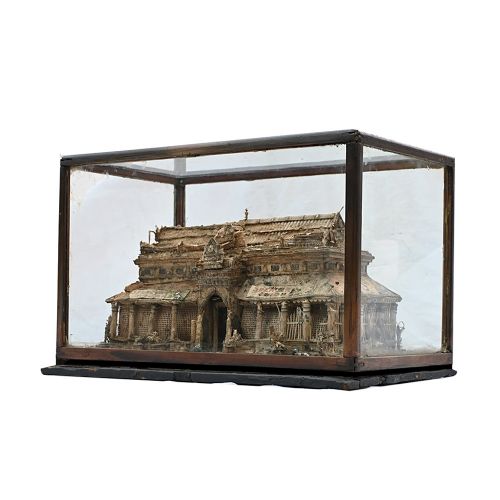
The category encompasses diverse structures, including medieval houses built from matchsticks, detached homes, and cathedral carvings. Each object offers a tangible connection to historical building design and scale craftsmanship.
How these models were constructed
Maker construction relies heavily on traditional woodworking techniques utilising pine, oak, and general timber framing. Artisans shaped these woods to form the primary structures of houses, windmills, and grand facades.
Makers incorporated delicate auxiliary materials such as paper, card, glass, and paint to render windows, decorative trimmings, and surface finishes. In vernacular examples, everyday materials like matchsticks were utilised to achieve intricate textural detail.
Structural assembly combined carpentry joinery with applied surface decoration, capturing both the rigid geometry of neoclassical buildings and the rustic charm of folk art creations.
Vintage Scale Architectural Model Retail Price Guide 2026
Typical asking prices for vintage scale architectural model among the pieces listed under this phrase on Sellingantiques today, from the lower quarter to the upper quarter. They describe what is for sale here now, not the wider market.
Someone spent countless hours gluing ordinary matchsticks together around 1910 to erect a remarkably sturdy medieval house.
What dictates quality in architectural models
The distinction between standard examples and superior pieces rests upon the precision of architectural proportion and the intricacy of the hand-carved details. Masterworks such as cathedral carvings or opera house representations display a fidelity to the original structure that elevates them far beyond simple folk art.
The choice and integrity of materials also define the grade of a piece, where seasoned hardwoods like oak and pine survive with greater structural stability than fragile card or matchstick assemblies. Original surface paint and intact glazing significantly enhance the physical authenticity of the object.
Liverpool Ship Building Co.
The Vintage Scale Architectural Model Glossary
- Scale model
- A physical representation of a structure built accurately to a reduced proportion. This technique allows builders to study massing and elevation before full-size construction.
- Grand tour
- A cultural journey undertaken by wealthy young Europeans in the nineteenth century, often commemorated by purchasing architectural models of famous monuments.
- Folk art
- Utilitarian or decorative objects created by self-taught makers using accessible materials. In this category, it describes vernacular houses and windmills built without formal architectural training.
- Beaux-Arts
- An academic architectural style characterised by order, symmetry, and rich ornamentation. Models reflecting this tradition display classical grandeur and formal discipline.
- Half hull model
- A three-dimensional representation of the lower body of a ship, sliced longitudinally. These were utilised by shipbuilders to design and visualise vessel hulls.
Vintage Scale Architectural Model: Frequently Asked Questions
What is a vintage scale architectural model?
These pieces are miniature representations of real or imagined buildings, constructed by architects, craftsmen, or folk artists. They translate large structures into manageable display sizes using period materials.
They serve as historical records of architectural design and handcraft, preserving vanished buildings or celebrating famous landmarks in three dimensions.
How were these models used historically?
Architects utilised them for planning and client presentations to demonstrate proposed buildings before construction began. Others served as grand tour souvenirs or decorative parlour objects.
Folk art models functioned primarily as hobbyist displays or imaginative exercises in miniature construction, reflecting the builder's local environment.
What materials should I expect to find?
Wood forms the primary structural foundation for most examples, with pine and oak appearing frequently in the listings. Paint, paper, card, and glass provide surface colour, window glazing, and fine details.
Unconventional materials like matchsticks also appear in folk art constructions, showcasing the ingenuity of domestic makers working with limited supplies.
How do I live with and display a model?
These fragile objects require stable display environments away from direct sunlight and excessive humidity to protect delicate wooden joints, paper elements, and painted surfaces. Placing them on secure tabletops or inside glass cabinets ensures they remain safe from accidental knocks.
Dusting should be performed gently with a soft brush, avoiding liquid cleaners that could damage historic finishes or adhesives.