


Vintage Salt Dips
Vintage salt dips bring small-scale silver, glass and ceramic craft to the table across periods from Georgian to mid-century.
Vintage Salt Dips
Vintage salt dips are small vessels designed to hold loose salt at the dining table before the invention of free-flowing table salt. When you search for vintage salt dips, you encounter open salt cellars, small dishes and novelty forms intended for individual places or shared use.
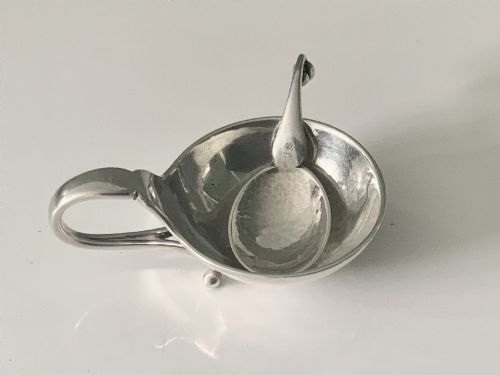
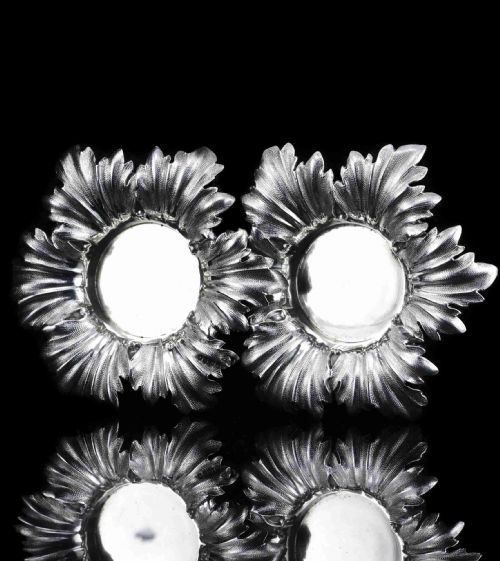
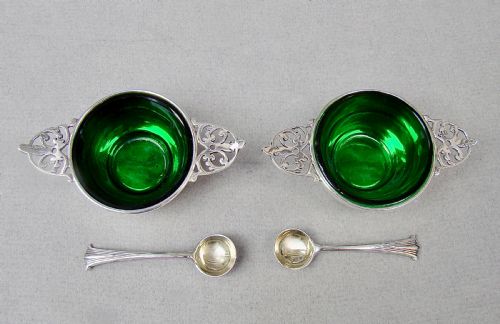
The pieces on this page span several eras, running from Georgian and Victorian examples through Edwardian tableware to twentieth-century designs like Art Deco sets and 1940s silver boats. You will find matched pairs, cased sets with matching spoons and individual novelties.
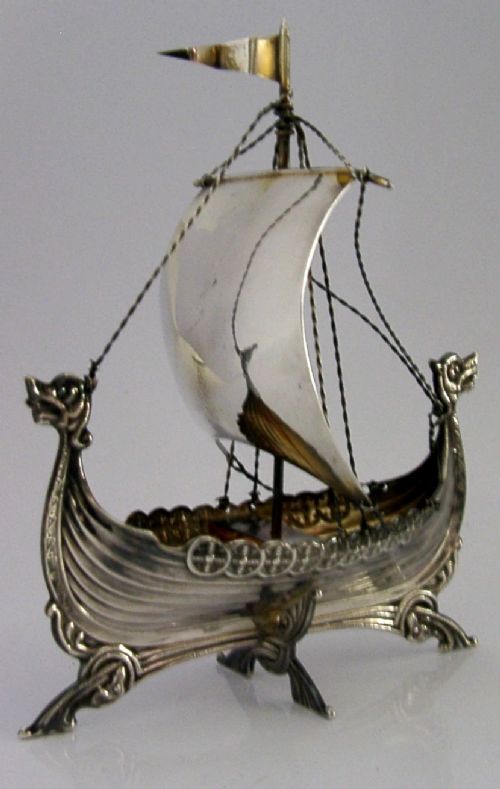
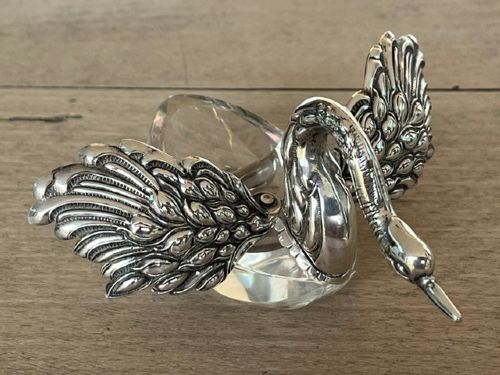
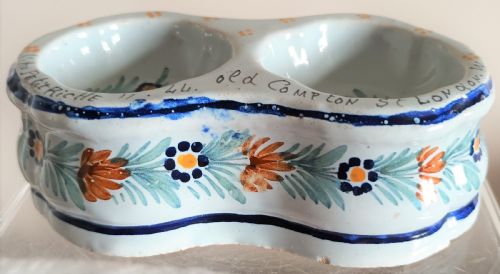
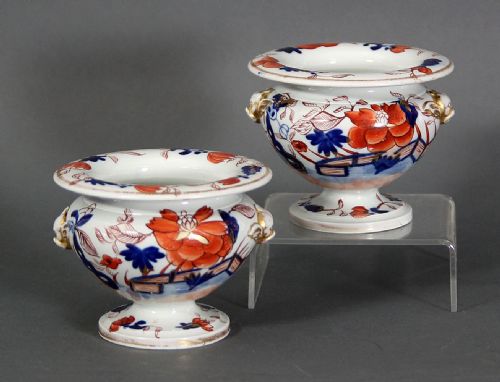
Forms vary from simple open glass bowls to elaborate chased silver dishes, figural swan cellars with movable wings, and French faience double salts. Materials range from sterling silver and crystal to cobalt glass, earthenware and ironstone.
What varies in quality
Quality rests on the crispness of detail in chased silver ornament, the weight of the metal and the precision of fitted glass liners. Maker marks and hallmarks provide clear evidence of origin and silver standard, distinguishing standard commercial production from workshops like Georg Jensen or Barnards.
The harmony between metal mounts and glass or ceramic bodies defines the better examples. Complete sets with matching spoons and fitted cases demonstrate greater care in original manufacture and subsequent preservation.
Materials span sterling silver, silver plate, crystal, earthenware, ironstone and cobalt glass.
Georg Jensen·Barnards·HB Quimper·Josiah Williams & Co
The Vintage Salt Dips Glossary
- Open salt
- A small vessel designed to hold dry table salt served with a tiny spoon or pinched by hand, predating modern shakers.
- Cobalt glass
- Deep blue glass frequently utilised for removable liners inside open silver salt cellars to prevent corrosion.
- Quaich
- A traditional Scottish two-handled drinking vessel adapted in silver as a novelty salt cellar.
- Faience
- Tin-glazed earthenware produced in France and Europe, decorated with hand-painted patterns.
- Chasing
- A metalsmithing technique where designs are hammered into the front surface of silver without removing metal.
Vintage Salt Dips: Frequently Asked Questions
How were salt dips used at the table?
Diners used salt dips to hold portions of coarse or fine salt placed beside each plate or shared between guests. A tiny spoon or clean fingers served to transfer the salt onto the edge of a dinner plate.
In grander settings, matched pairs or sets of four lined the dining table, often accompanied by matching miniature spoons housed in velvet-lined presentation cases.
Why do some salt dips have glass liners?
Salt is highly corrosive to sterling silver and base metals when left in direct contact over long periods. Removable glass liners made from cobalt blue or clear glass protected the silver bodies from pitting and chemical damage.
These liners also made the vessels easier to empty and clean between meals, preserving the metal work of the outer cellar.
How do I date a silver salt cellar?
Silver salt cellars can be dated through official hallmarking systems stamped onto the metal, which indicate the assay office, date letter and maker's mark. Stylistic clues such as Victorian foliate chasing, Edwardian proportions or Art Deco geometric lines also point to specific eras.
Changes in material popularity, from Georgian heavy silver to 1930s plated sets with coloured glass, help narrow down the period of manufacture.
Can I use vintage salt dips today?
These pieces function well on modern dining tables for serving specialty salts, relishes, small condiments or even butter pats. Their compact size suits contemporary table settings while adding historical texture to meals.
Careful hand washing preserves fragile glass liners, delicate ceramic glazes and chased silver surfaces, avoiding harsh modern dishwashers.