


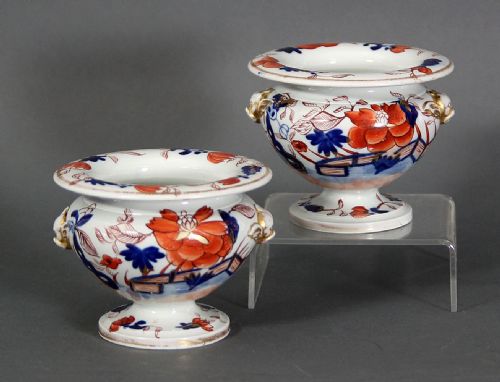
Vintage Salt Dip Dish
These vintage salt dip dish pieces are small tableware vessels designed for individual table service, offering a touch of period charm to modern dining tables.
Vintage Salt Dip Dish
When you search for a vintage salt dip dish, you encounter small open vessels used for holding table salt before the widespread adoption of mechanical shakers. The selections here span the Victorian, Edwardian, and Georgian periods, alongside pieces from the nineteen-twenties, thirties, and sixties.
You are most likely to meet silver, ceramic, and glass versions across these listings, often appearing as matched pairs or small sets. These items function as decorative tableware while retaining their original purpose on the dining table.
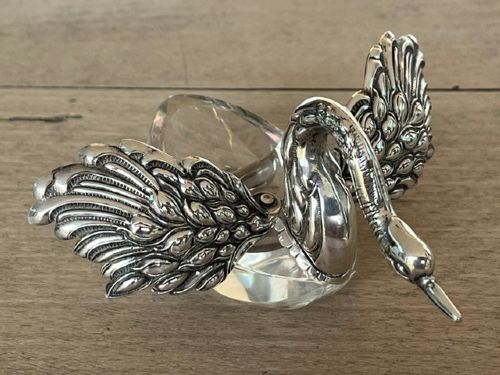
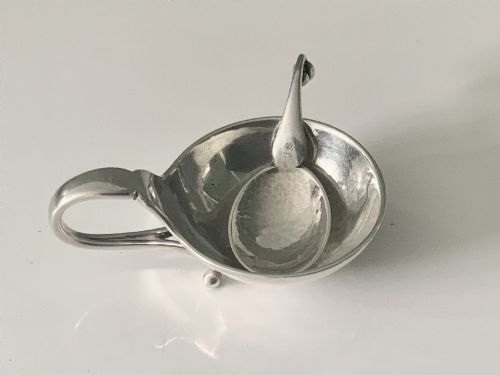
The forms range from simple glass bowls to elaborate figural designs like swans and handled dishes. Makers from various European traditions contribute to the regional styles represented in this category.
How they were made
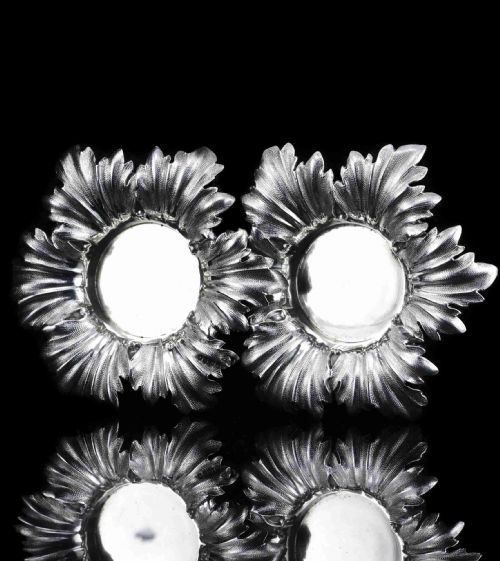
Many of the metal examples utilise solid sterling silver or silver plating, sometimes shaped with detailed foliate chasing or smooth polished surfaces. Silversmiths often paired these metal frames with removable glass liners in cobalt blue or clear crystal.
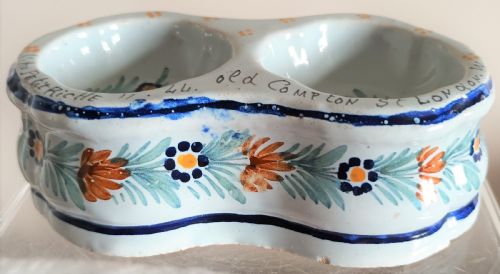
Ceramic and earthenware pieces involve traditional potting and glazing techniques, seen in French faience and ironstone china constructions. Firing processes lock in colourful pigments and hand-painted details beneath protective glaze layers.
Some winged salt cellars feature movable metal feathers, ready to take flight from the dining table at any moment.
What varies in quality
Quality rests upon the crispness of decorative detail, such as the depth of chasing on silver or the precision of hand-painted ceramic patterns. Pieces that retain their original matched spoons or fitted glass liners command greater interest.
The thickness and weight of the metal or glass body indicate superior craftsmanship, separating heavier bespoke items from lighter mass-produced alternatives. Maker marks and clear hallmarks also contribute to the distinction between standard vessels and distinguished works.
Barnards·HB Quimper·Georg Jensen
The Vintage Salt Dip Dish Glossary
- Open salt
- A small dish designed to hold salt without a lid, allowing diners to pinch or spoon the salt onto their food. These require a small spoon or clean fingers for service.
- Cobalt glass
- A deep blue glass coloured by the addition of cobalt oxide, frequently utilised for liners inside silver salt cellars. It creates a striking visual contrast against polished metal.
- Faience
- Tinned earthenware originating in France and continental Europe, decorated with colourful painted glazes. It offers an opaque and smooth surface for intricate patterns.
- Chasing
- A metalworking technique where the artisan hammers the front of the metal to push the design into relief. This adds texture and dimension without removing material.
- Ironstone china
- A type of durable earthenware patented in the nineteenth century, known for its strength and resemblance to porcelain. It provides a sturdy body for everyday tableware.
Vintage Salt Dip Dish: Frequently Asked Questions
What is a vintage salt dip dish?
A vintage salt dip dish is a small open container placed on the dining table to hold salt for individual use. Before salt shakers became common, diners used these small vessels with a miniature spoon or their fingers.
These pieces come in various materials, including silver, glass, and ceramic. They reflect the design aesthetics of periods ranging from the Georgian era to the mid-twentieth century.
How do I use them today?
You can use these small dishes on your dining table for flaky sea salt, black pepper, or other finishing condiments during meals. They also function well on dressing tables to hold small pieces of jewellery.
Their compact size makes them easy to incorporate into modern table settings alongside standard dinnerware. They provide a practical way to serve gourmet salts to guests.
Are these pieces dishwasher safe?
Cleaning these items by hand in warm soapy water preserves their delicate materials and finishes. Harsh dishwasher detergents can damage antique silver surfaces, painted ceramics, and vintage glass.
Dry the pieces thoroughly with a soft cloth immediately after washing to prevent water spots or tarnish. Silver components benefit from occasional polishing with an appropriate cloth.
How do I date a salt dip?
Dating involves examining the style, materials, and any maker marks or hallmarks stamped onto the metal or base. Georgian and Victorian pieces often feature hand-chased details or heavier sterling silver construction.
Mid-century items tend to show cleaner lines and simpler geometric forms typical of the nineteen-twenties and sixties. Comparing the manufacturing technique with known historical periods helps narrow down the age.