
Vintage Rustic Chair
A vintage rustic chair brings honest craft and time-worn character directly into daily interior life.
Vintage Rustic Chair
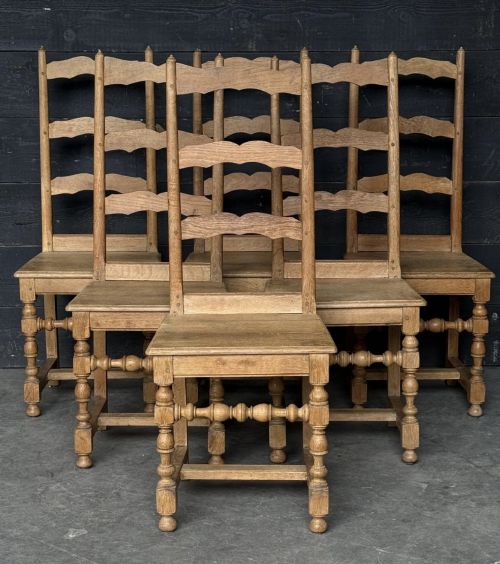
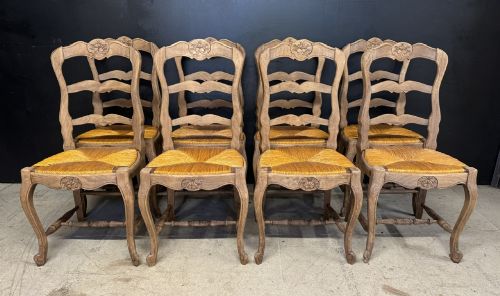
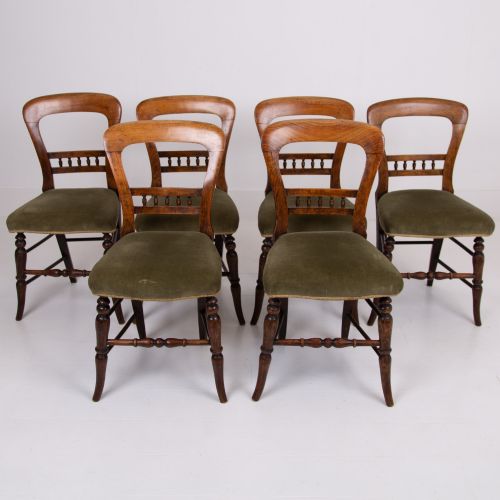
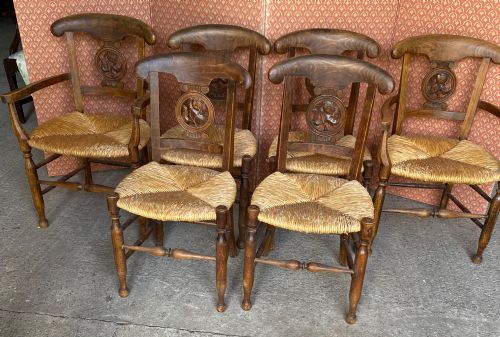
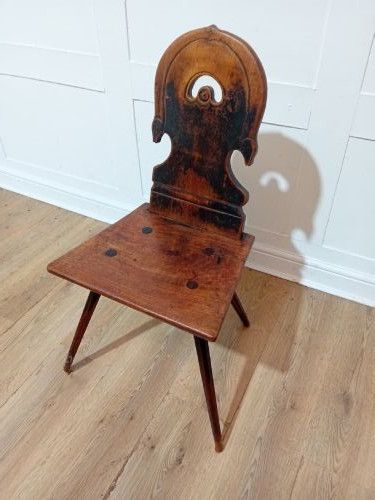
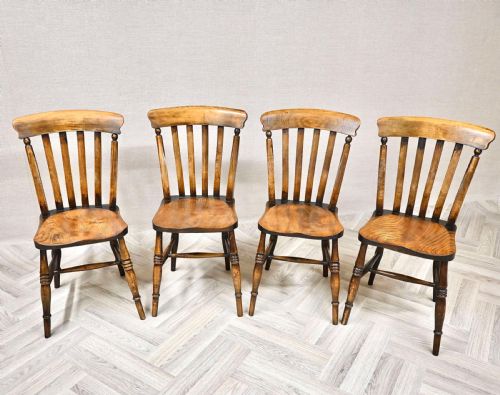
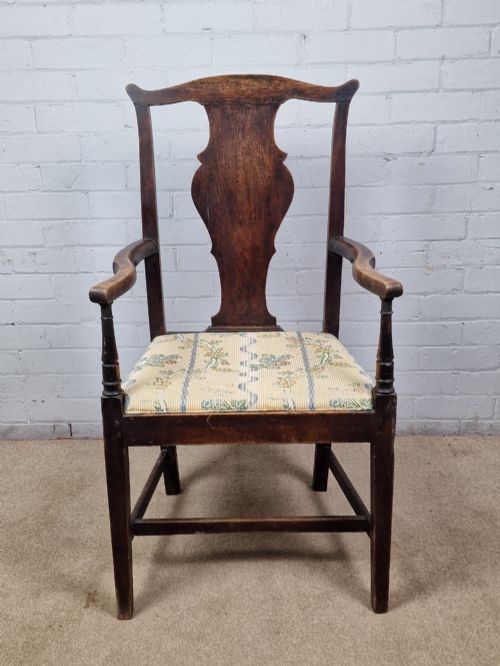
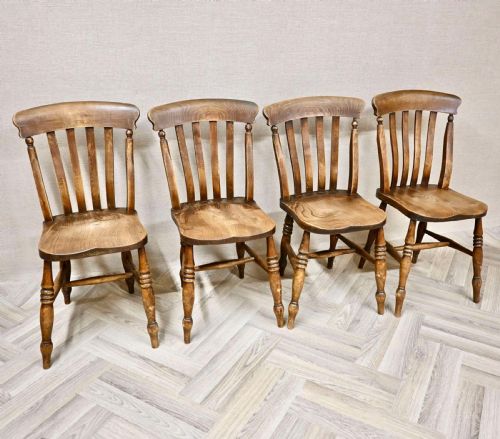
When you search for a vintage rustic chair, you enter a diverse field of vernacular seating shaped by practical utility across domestic and garden spaces. The selections span simple kitchen dining chairs, robust armchairs, rocking chairs, and benches originating from English, French, and Bavarian traditions. You are most likely to encounter sturdy timber forms originating from the nineteenth and early twentieth centuries.
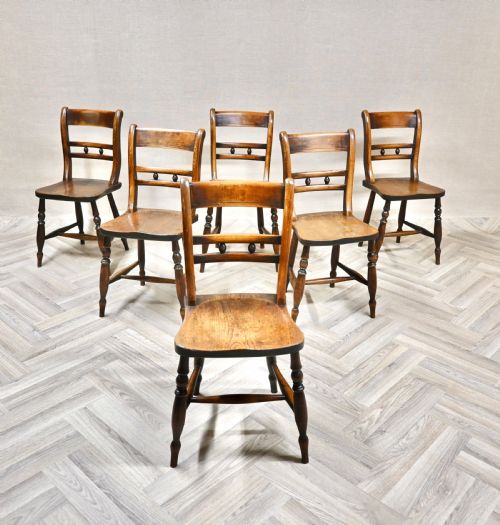
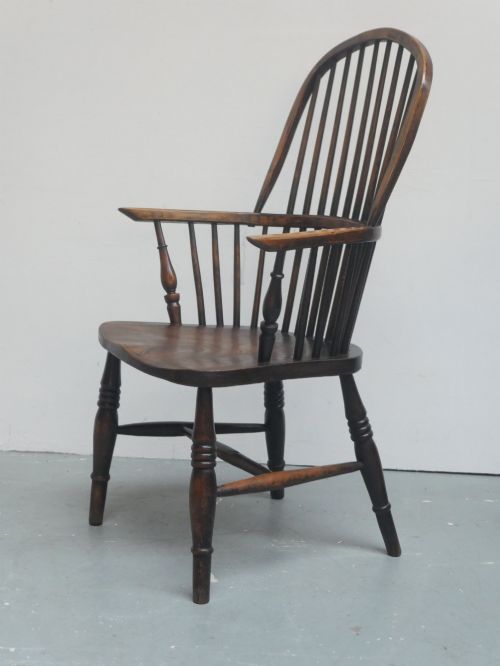
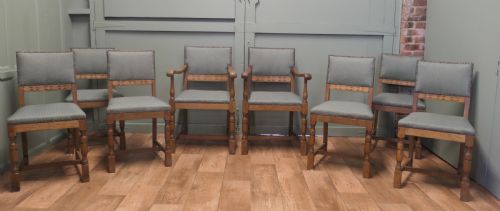
The inventory accommodates matching sets alongside singular accent pieces designed for fireside or kitchen use. Common variations include Windsor patterns, ladderbacks, and stick backs constructed from regional hardwoods.
Makers ranged from local village wheelwrights to specialised rural joiners working without pattern books. Their output prioritizes everyday function over formal academic design, resulting in honest domestic seating.
Materials and construction
Construction relies heavily on native timbers such as elm, beech, ash, oak, and pine, selected for specific structural properties. Elm frequently provides stable, split-resistant seating planks, while ash and beech offer flexible strength for turned spindles and steam-bent hoops.
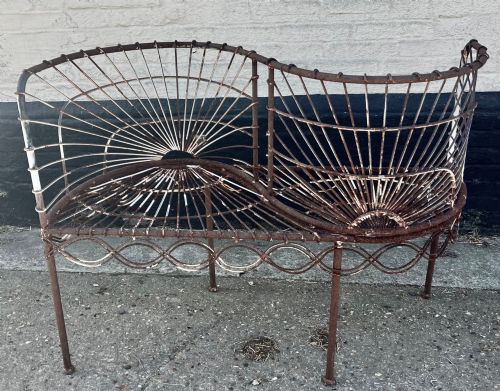
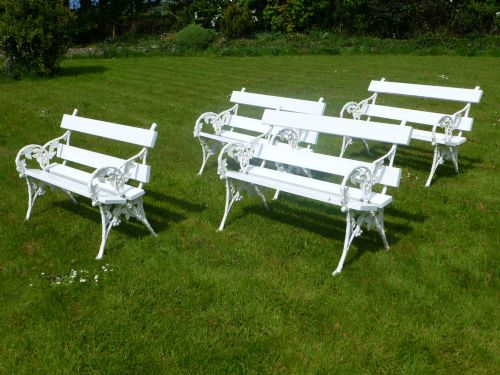
Joinery methods emphasise traditional pegged mortise and tenon joints alongside wedged through-tenons. Iron and wrought elements appear on garden benches and faux bois pieces, combining metalwork with timber slats.
Listings feature regional furniture spanning the eighteenth, nineteenth, and early twentieth centuries, constructed predominantly from native British and European hardwoods.
Judging quality and integrity
Quality rests upon the preservation of original surfaces, honest patination, and structural integrity. Pieces retaining their primary timber finishes and untouched joints hold greater historical cohesion than heavily sanded or restructured examples.
The finesse of the turning on spindles and legs separates standard workshop output from superior regional craftsmanship. Proportion and timber selection dictate whether a vernacular seat achieves balanced elegance.
The Vintage Rustic Chair Glossary
- Windsor
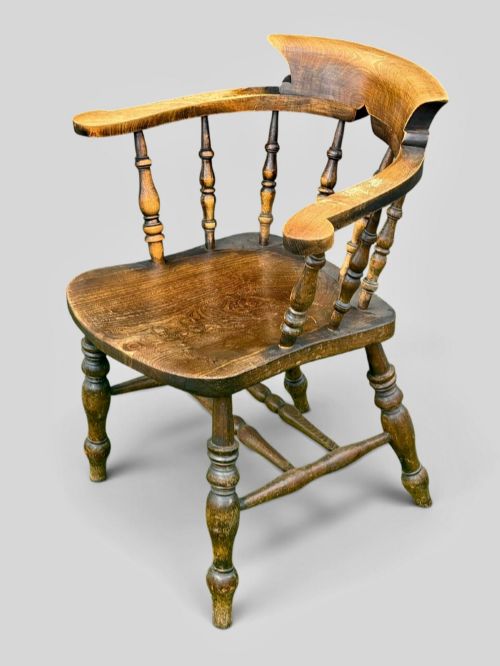
- A traditional wooden chair featuring a solid sculpted seat into which the legs and back sticks are independently socketed. This construction method creates a durable and unified frame.
- Faux Bois
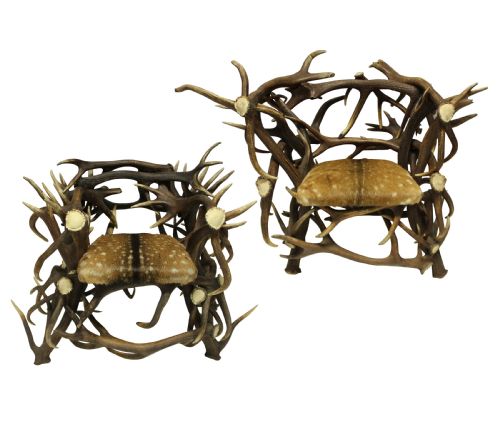
- A decorative technique mimicking wood grain using concrete or metal, seen frequently on garden furniture. Artisans sculpt the material to imitate natural timber branches.
- Harlequin set
- A collection of dining chairs sharing similar stylistic traits and periods but assembled from different origins. Such sets offer a collected appearance rather than uniform factory production.
- Stick back
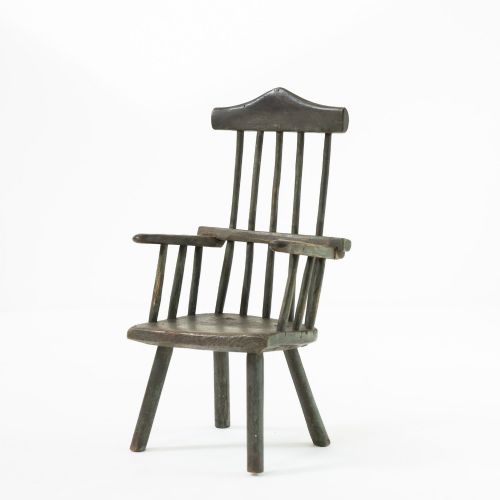
- A chair design utilising simple turned spindles inserted into the seat and top rail. This austere construction typifies regional vernacular seating.
Vintage Rustic Chair: Frequently Asked Questions
How do I date a rustic chair?
Dating relies on tool marks, timber shrinkage, and construction techniques visible beneath the seat or along the joints. Hand-dug saddle seats and early fastener types point toward nineteenth-century origins.
Changes in turning styles and regional vernacular patterns also help narrow down the decade of production.
Are these chairs comfortable for daily use?
Most vernacular wooden seats feature ergonomic saddle-shaped depressions carved directly into the solid elm. This traditional shaping provides surprising support during prolonged sitting.
Adding loose cushions can further increase comfort for dining or fireside use.
Can I use these chairs outdoors?
Timber pieces designated for garden use incorporate weather-resistant hardwoods or protected finishes. Iron garden seats require periodic maintenance to prevent rust accumulation.
Indoor wooden chairs should remain protected from damp conditions and direct heat sources.
What is a Thames Valley chair?
Thames Valley chairs represent a specific regional British tradition known for high-quality elm and yew construction. They often feature distinctive wheelback or comb back designs.
Local nineteenth-century workshops produced these sturdy seats for prosperous farmhouses and rural homes.