

Vintage Rural Art
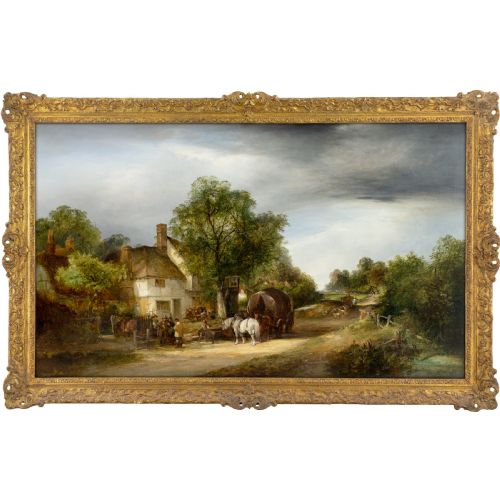
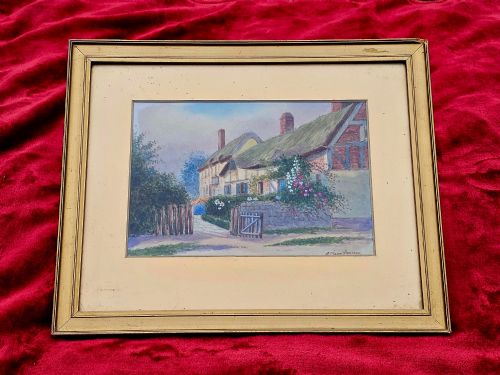
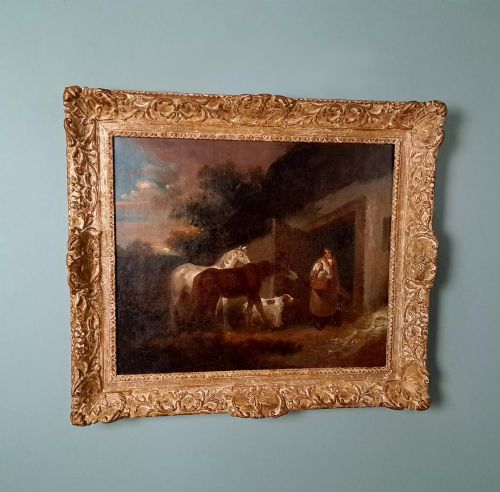
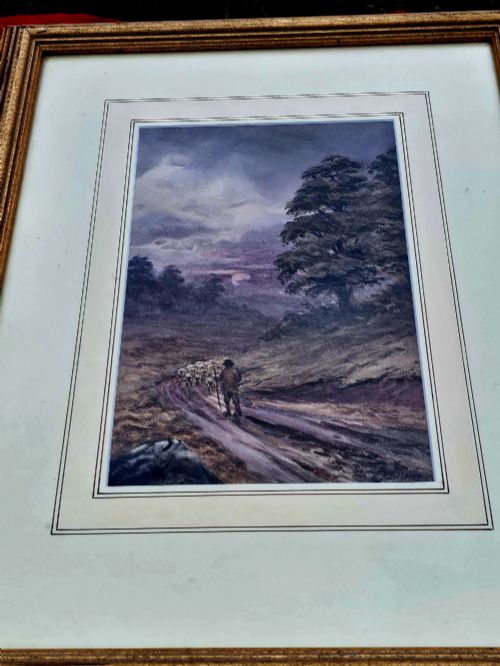
Vintage rural art captures the countryside through depictions of cottages, farmyards, livestock and working horses across the nineteenth and twentieth centuries.
Vintage Rural Art
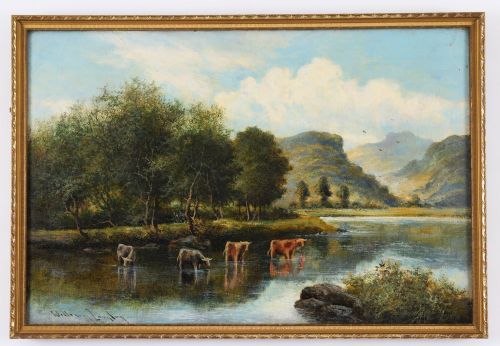
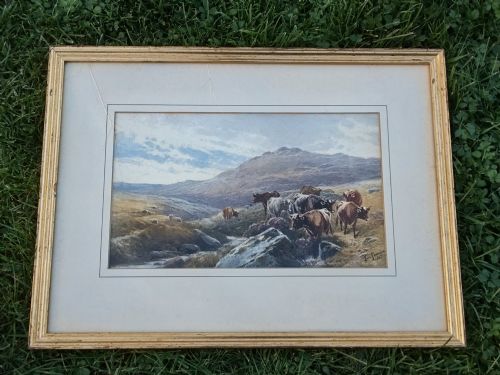
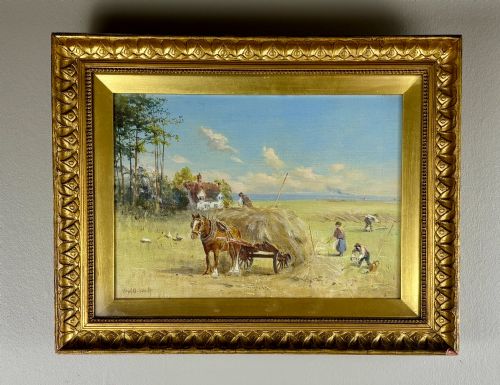
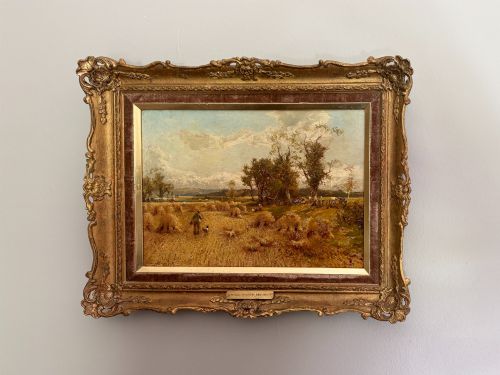
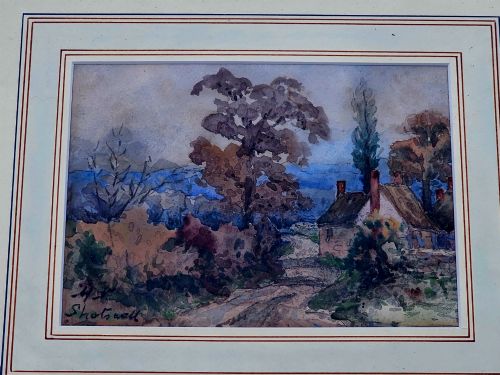
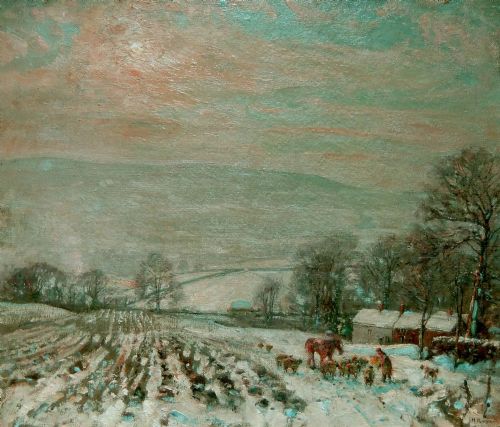
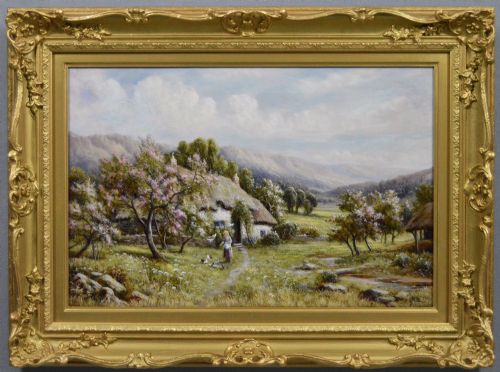
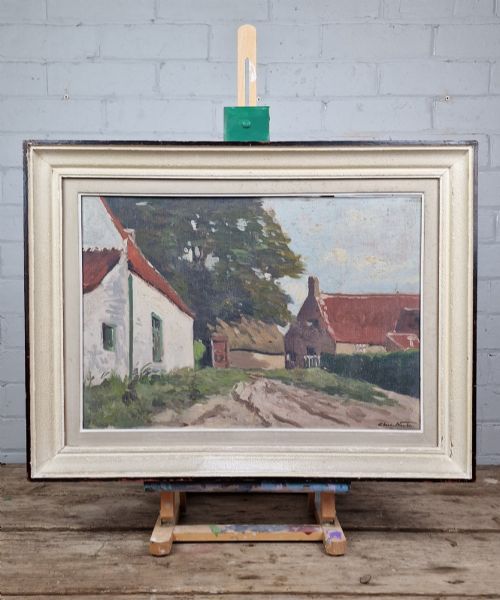
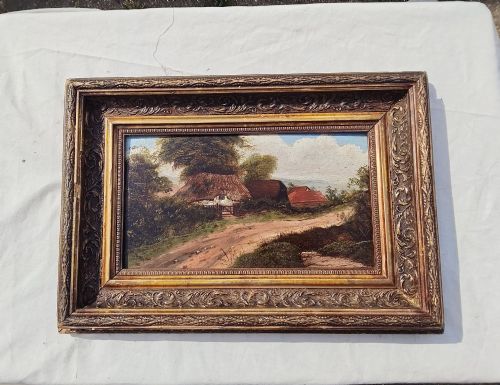
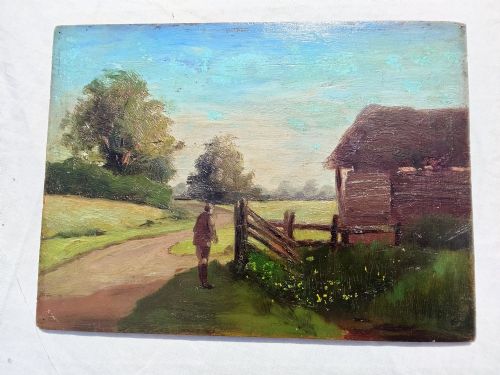
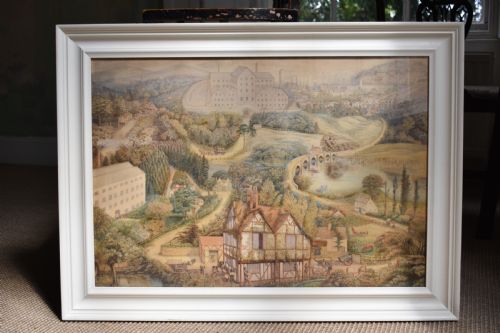
Vintage rural art encompasses framed paintings, watercolours and wall art depicting pastoral and agricultural scenes. These works document traditional country life, featuring subjects such as ploughing horses, sheep herding, haystacks and thatched cottages.
The selection ranges from Victorian pastoral watercolours to mid-century British impressions of farmyards and rivers. Buyers frequently encounter nineteenth-century English school landscapes alongside early twentieth-century depictions of Yorkshire and southern rural views.
Materials and techniques
Artists working within this category utilised oil paint and watercolour as primary media. Supports varied between canvas, traditional wooden boards, card and heavy paper.
Techniques span traditional academic realism, British impressionism and post-impressionist brushwork. Many works incorporate gold leaf within period frames, while others utilise simple wood surrounds to complement the pastoral subject matter.
Several sheep, pigs and ponies appear to have spent more time posing for pastoral artists than actually working the land.
Distinctions in quality
Quality in these rural works rests upon the confidence of the brushwork and the artist's command of natural light. Stronger pieces convey atmospheric depth and movement within the landscape rather than relying on formulaic topographical recording.
The sophistication of the palette and the handling of texture distinguish accomplished hand-painted oils and watercolours from routine decorative items. Original artist attribution and documented provenance further elevate individual pieces.
George Graham·A. Marie Parsons·William Joseph Shayer Senior·EJ Letheren·Herbert Royle·Robert John Hammond·Charles Houben·George Augustus Holmes·Frederick Walker·Eric Brown·Ernest Higgins Rigg·Frederick James Kerr·Edgar Hunt·Umberto Volpato·Herman S Melville·George Morland·Charles Edward Wilson·Sydney Yates Johnson·Charles Clair·Harry Freckleton·Henry Charles Fox·William JB Jenkins·Cuthbert Crossley·Reginald Grange Brundrit·Fred Lawson
The Vintage Rural Art Glossary
- Oil on Canvas
- Pigment bound in drying oil applied to a woven fabric stretched across a wooden frame. This surface permits layered impasto and subtle blending.
- Watercolour
- A paint consisting of colour suspended in a water-soluble vehicle, typically applied to paper. It allows for translucent washes and delicate atmospheric effects.
- Pastoral Landscape
- An artistic genre depicting idealized or realistic countryside scenes, typically involving farms, livestock and agricultural labourers. These works emphasise a connection to the land.
- Post-Impressionist
- A diverse artistic development following impressionism that explored expressive use of form and colour. Works in this vein abandon strict naturalism for personal interpretation.
Vintage Rural Art: Frequently Asked Questions
What periods do these paintings cover?
The available artworks span from the nineteenth century through the mid-twentieth century, encompassing Victorian and Edwardian periods.
Specific dates range from the early 1800s up to the 1960s, reflecting changing artistic approaches to the countryside over time.
How do I identify the medium?
Listings distinguish between oil paintings on canvas, board or card, and watercolours on paper.
Oils generally present a textured surface with visible brushwork, whereas watercolours rely on paper supports and translucent washes.
Where were these scenes typically set?
Many works depict English and Irish rural locations, including specific regions such as Yorkshire, Dorset and Devon.
Subjects also include continental European farmyards and river landscapes captured by British and foreign artists.
How should I display vintage rural art?
These pieces suit traditional country interiors, cottage spaces and period properties where pastoral themes complement the room.
Original frames, when retained, assist in placing the artwork within its correct historical era.