

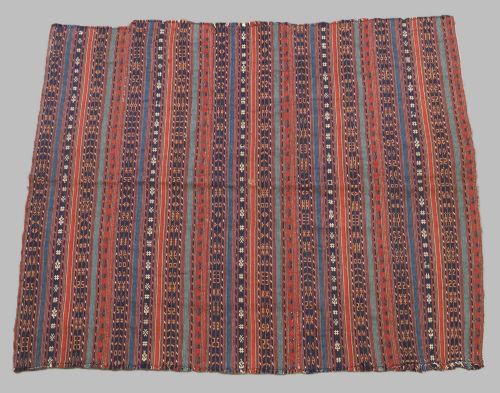
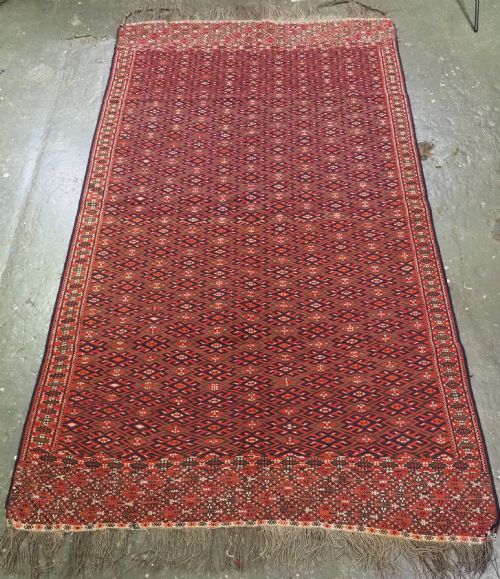
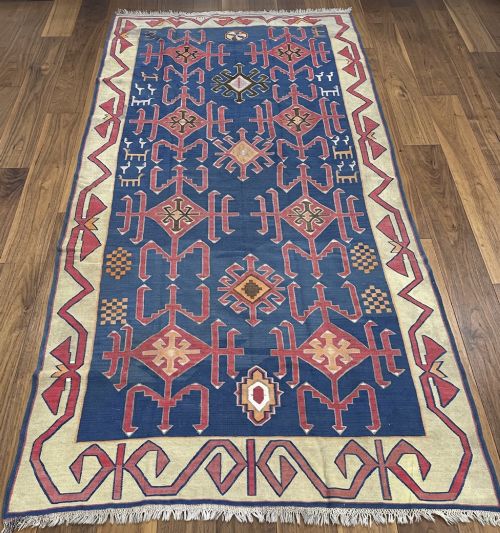
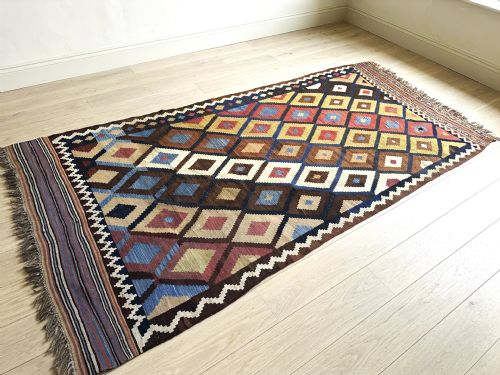
Vintage Runner
These vintage runner pieces are woven floor coverings that bring texture and traditional pattern to a hallway or narrow space.
Vintage Runner
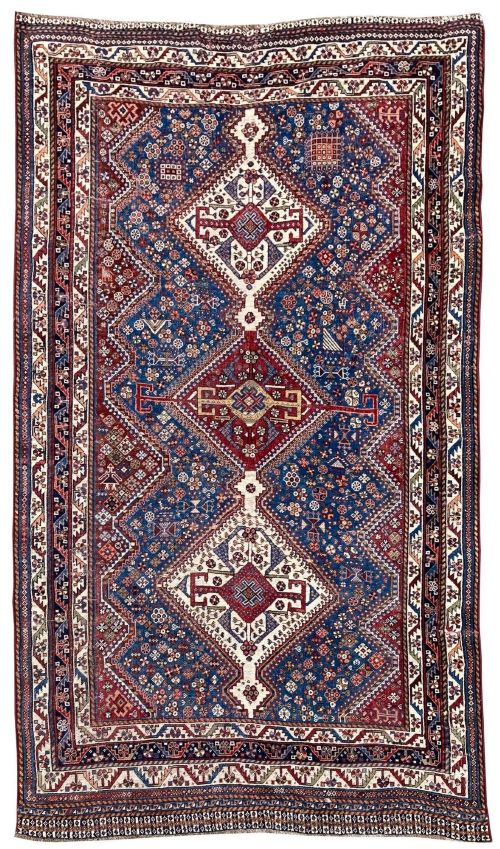
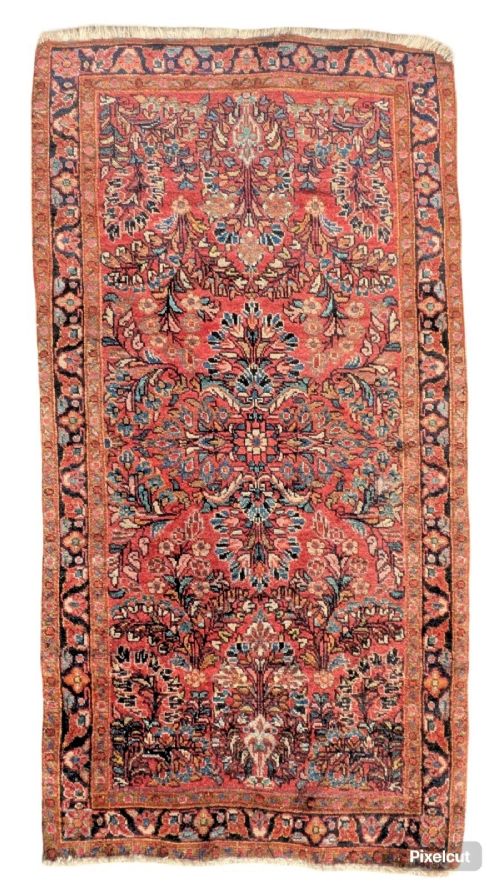
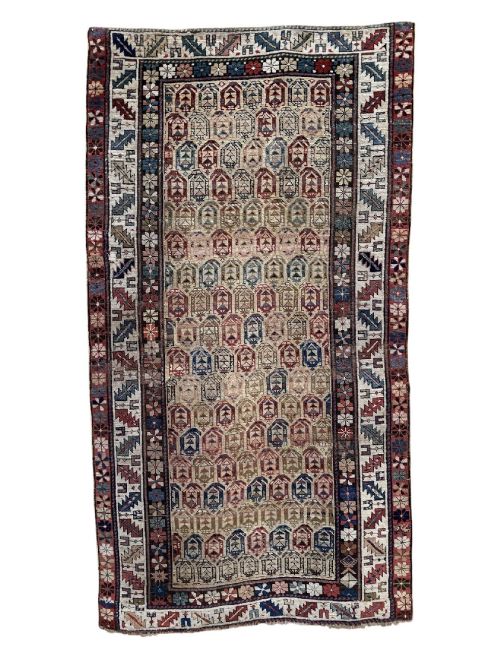
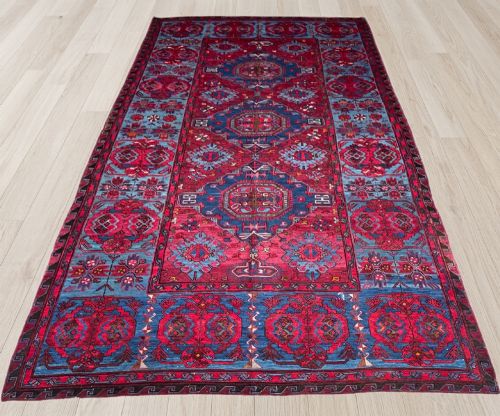
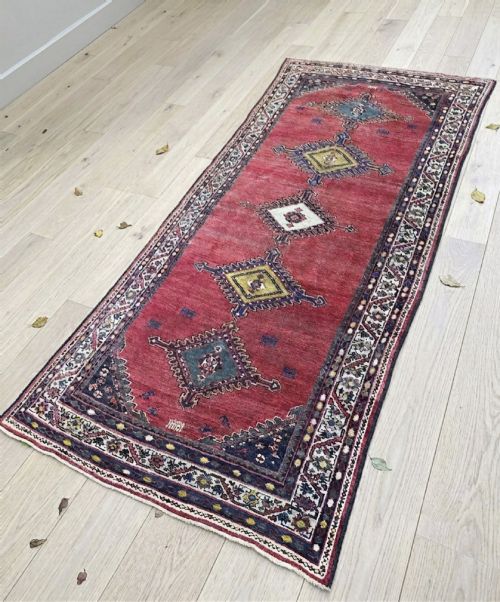
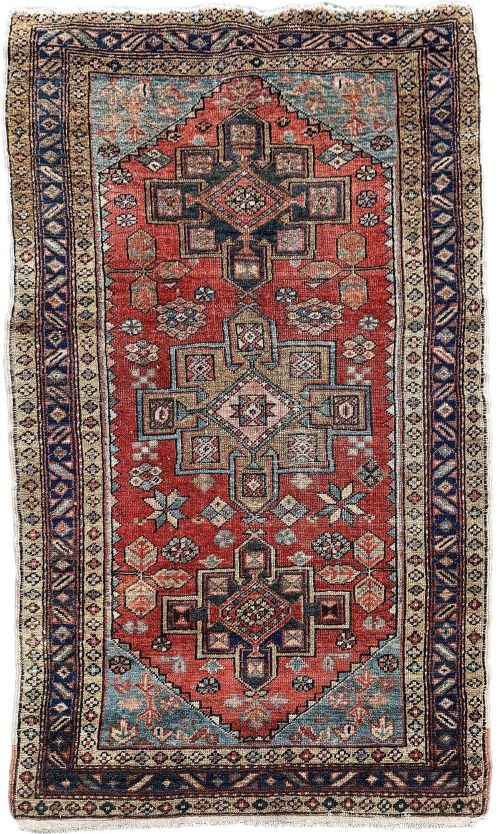
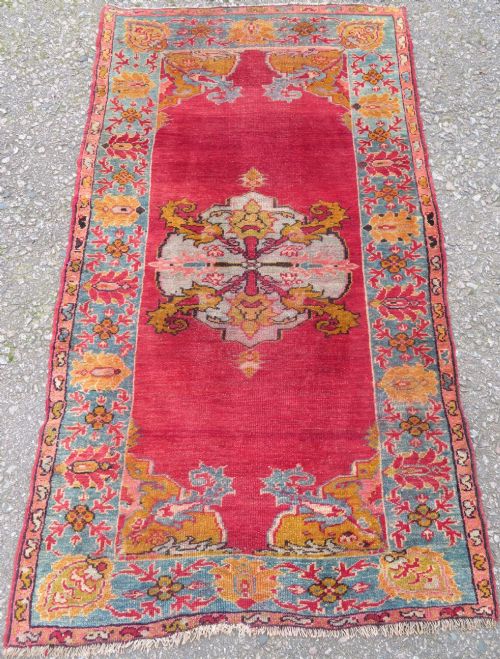
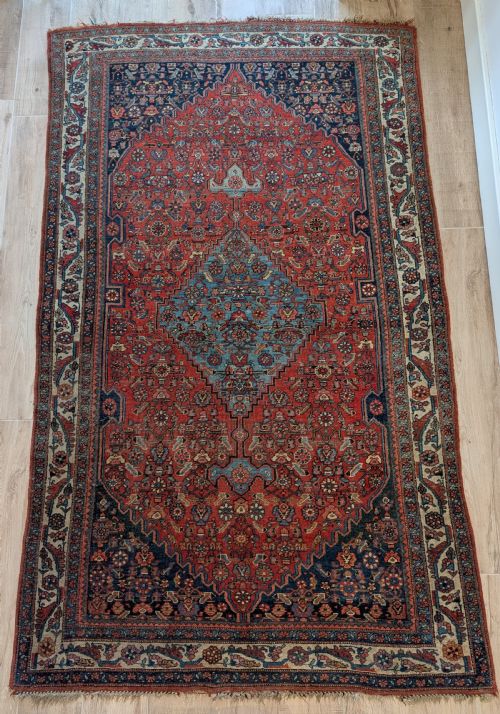
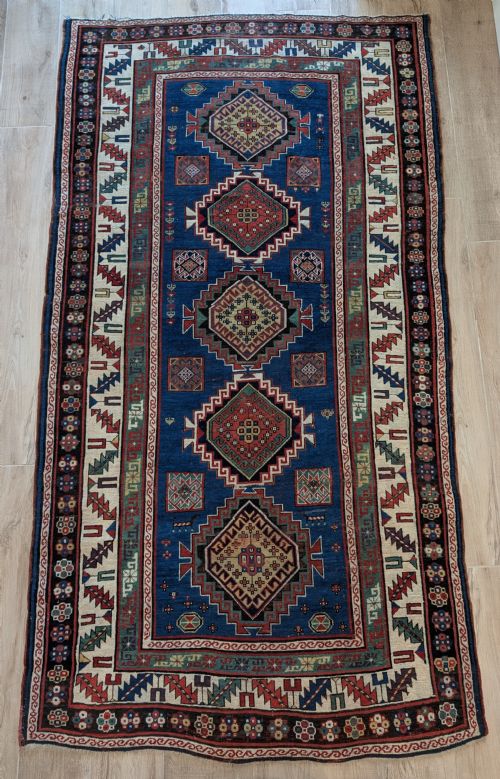
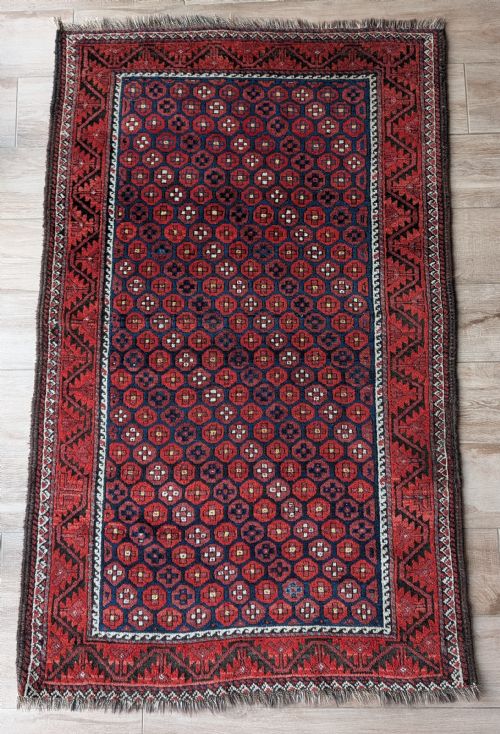
A vintage runner typically takes the form of a long, narrow carpet designed for corridors, stairs, and passageways. When searching for a vintage runner, buyers encounter Persian, Caucasian, Anatolian, and Turkmen tribal weaving traditions spanning from the nineteenth century into the 1930s.
The selections on this page encompass various formats including Heriz runners, Kurdish long rugs, and Turkish Oushak runners. These textiles serve both functional purposes in high-traffic areas and decorative roles through geometric and floral motifs.
Materials and construction methods
These textiles rely predominantly on wool, cotton, and linen fibres spun and woven by hand. Wool provides the durable pile and resilient surface necessary for floor use, while cotton and linen frequently serve as the foundation warps and wefts.
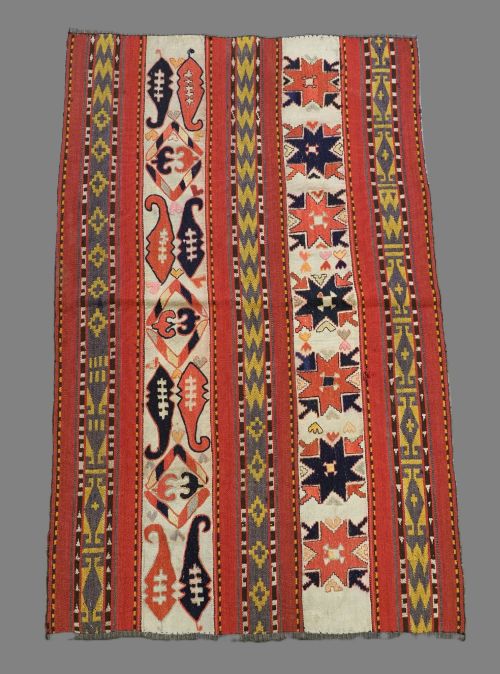
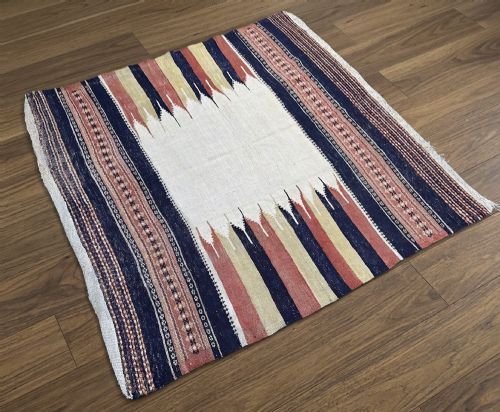
Tribal and village weavers employed knotting techniques and flatweave methods such as kilim construction, utilising natural dyes to create enduring patterns across Persian, Caucasian, and Anatolian workshops.
Vintage Runner Retail Price Guide 2026
Typical asking prices for vintage runner among the pieces listed under this phrase on Sellingantiques today, from the lower quarter to the upper quarter. They describe what is for sale here now, not the wider market.
Several runners arrived with tales of dusty village floors and old country houses baked into their wool.
Distinctions in quality
Quality rests upon the tightness of the weave, the precision of the tribal design, and the integrity of the foundation materials. Finer knot counts and well-preserved wool pile distinguish superior examples from heavily worn pieces.
The harmony and saturation of the natural dyes, alongside the structural stability of the edges and ends, separate standard village work from master tribal weaving.
The Vintage Runner Glossary
- Runner
- A long, narrow carpet format suited for corridors and stairs. This shape accommodates transitional spaces within a building.
- Kilim
- A flatweave textile produced without a pile. These pieces rely on interlocking weft threads to form geometric patterns.
- Warp
- The vertical foundation threads stretched tightly on a loom. Weft threads pass horizontally through these structural elements.
- Pile
- The cut or uncut loop surface of a rug formed by knotting yarn to the warp and weft. This layer absorbs foot traffic and displays the design.
- Prayer rug
- A small rug featuring a mihrab design or niche motif. Historically, these pieces served devotional purposes.
Vintage Runner: Frequently Asked Questions
Where should I place a vintage runner?
A vintage runner fits naturally in narrow corridors, entryways, and staircases where length is required. Their narrow proportions also suit galley kitchens or bedside placement.
Because these textiles were woven for heavy use, they handle normal foot traffic well when supported by an appropriate underlay.
How do I clean a vintage wool runner?
Gentle surface cleaning and regular low-suction vacuuming without a rotating brush help maintain the wool pile. Professional textile cleaning is recommended for deep maintenance.
Avoiding excessive moisture and direct sunlight preserves both the natural wool fibres and the integrity of the dyes.
How do I identify a tribal design?
Tribal rugs from regions like the Caucasus, Anatolia, and Persia display geometric medallions, stylized animals, and hooked motifs. These patterns reflect traditional nomadic or village weaving practices rather than urban court workshops.
Asymmetrical details and spontaneous colour shifts often indicate hand-knotted tribal work.
What is the difference between a kilim and a piled rug?
A kilim is a flatweave textile with no raised pile, created entirely by tightly interweaving warp and weft threads. Piled rugs feature individual knots tied to the foundation to form a plush surface.
Both types were produced across the Middle East and Central Asia using wool and cotton.