

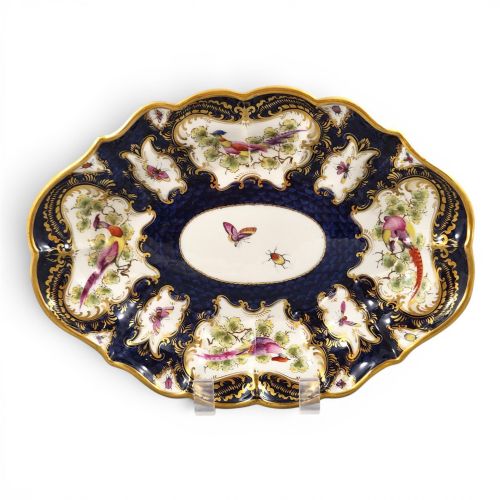


Vintage Royal Worcester Dish
These vintage royal worcester dish selections bring hand-painted fruit and rich gilding straight from British kilns into your home.
Vintage Royal Worcester Dish
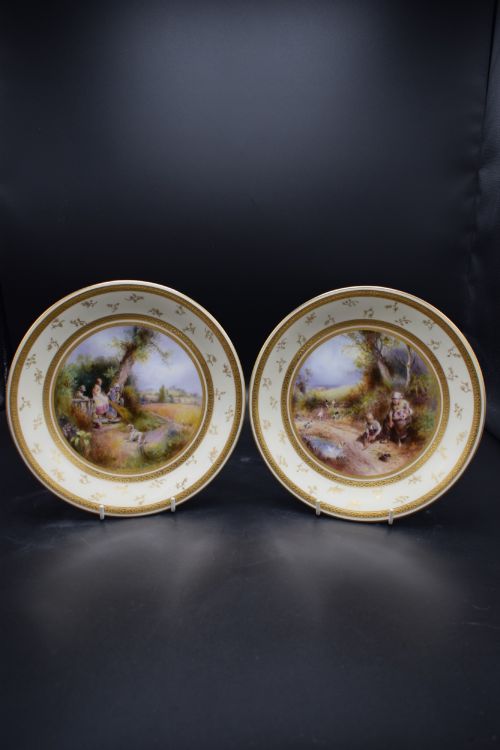
When you search for a vintage royal worcester dish, you encounter an array of fine porcelain items spanning from the late Victorian and Edwardian eras through the mid-twentieth century. The selection ranges from cabinet plates and dessert dishes to sugar bowls and comports, reflecting the diverse output of this historic English pottery.
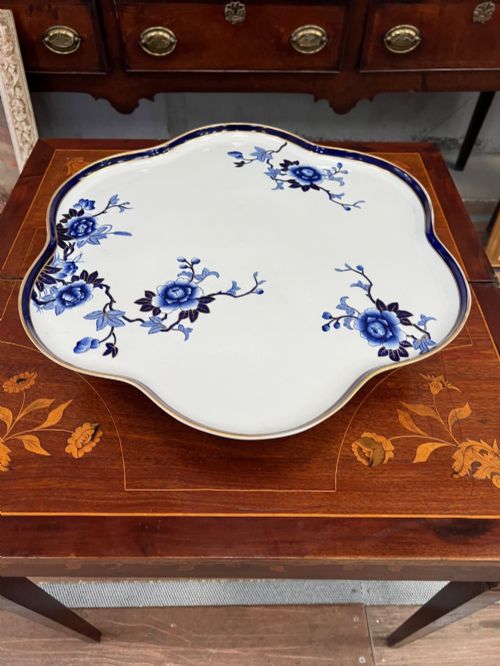
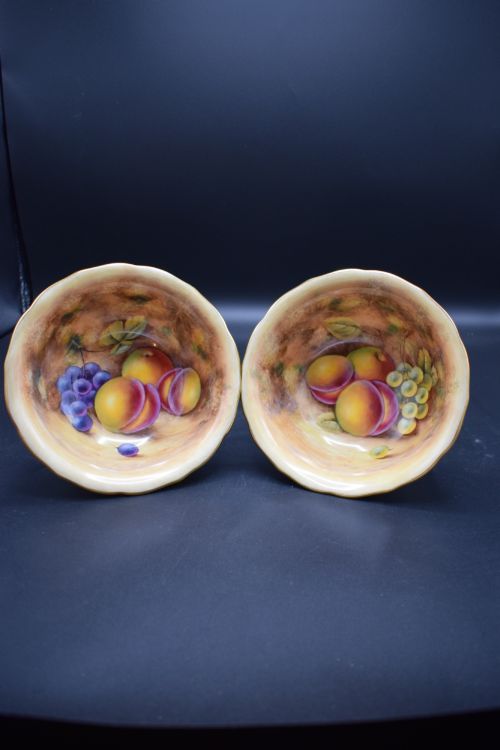
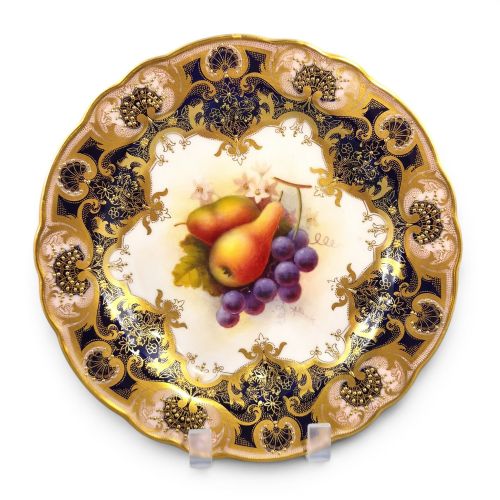
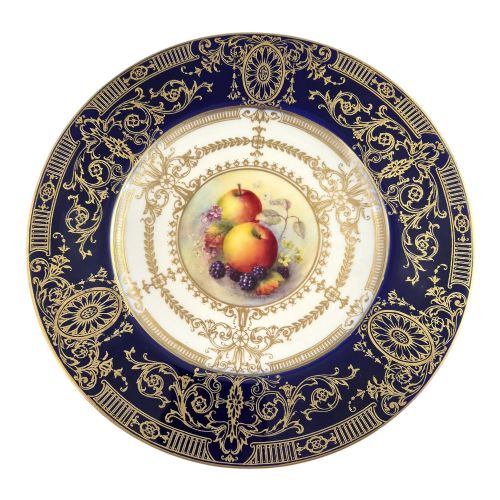
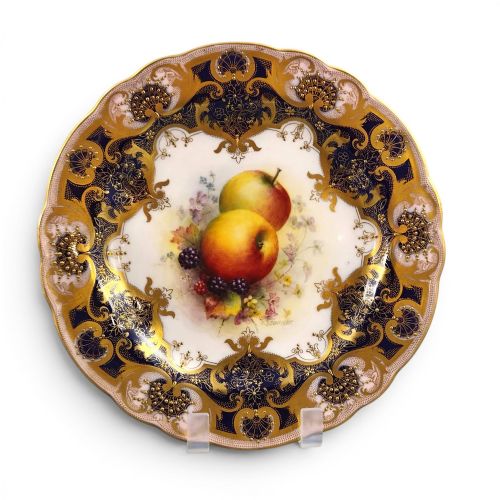
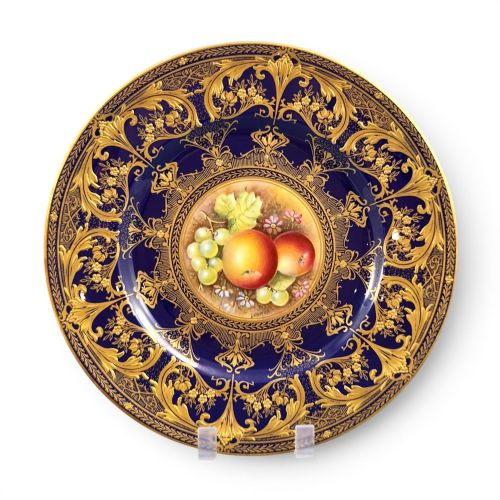
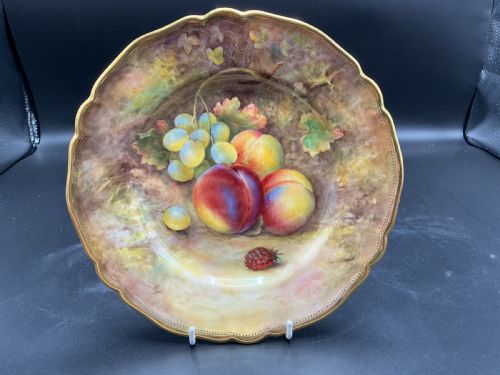
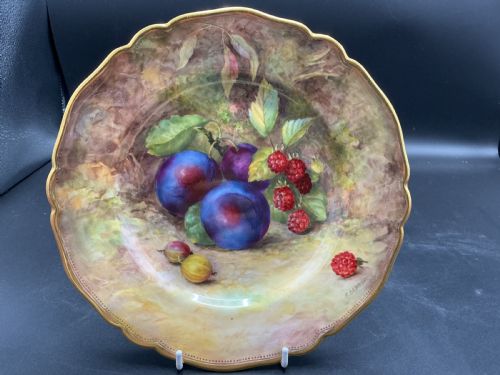
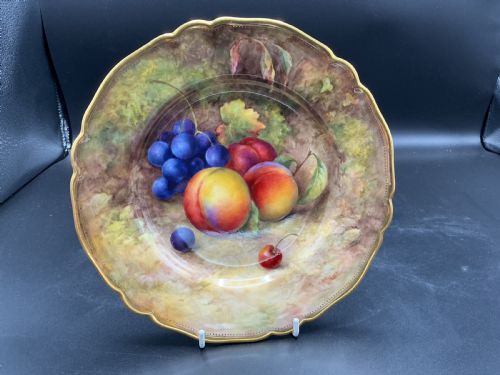
Painted fruit compositions dominate the pieces seen here, alongside traditional blue scale patterns and floral decorations. Cabinet plates and dessert dishes painted by notable artists form the core of the current offering, accompanied by occasional soup dishes and decorative bowls.
The objects originate across multiple decades including the eighteen-nineties, nineteen-tens, nineteen-twenties, and nineteen-thirties, extending into later mid-century examples. Each piece demonstrates the enduring British traditional style of porcelain manufacture.
Materials and methods
Porcelain and bone china provide the smooth white foundation for these items, shaped into plates, bowls, and dishes. Skilled decorators applied paint by hand to render naturalistic fruit, floral motifs, and detailed border patterns.
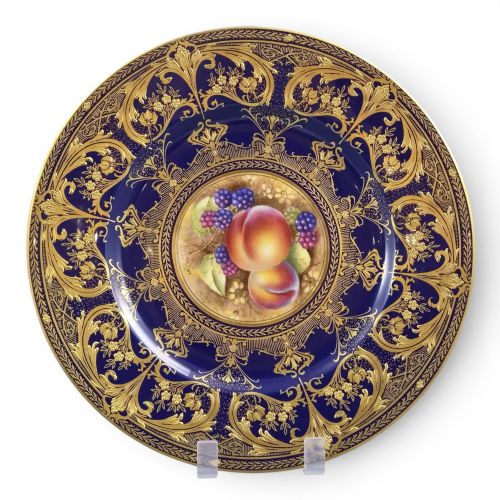
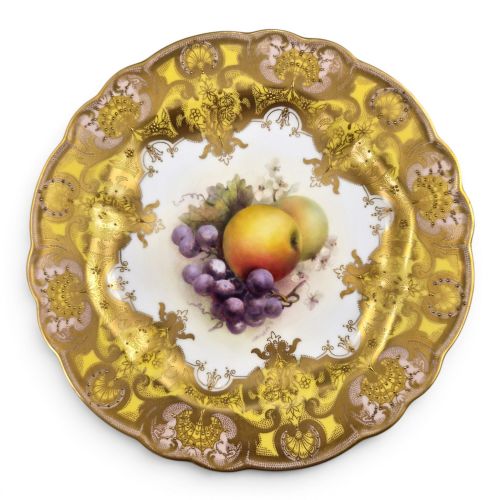
Gold leaf, gilding, and gilt enamel finish the rims and handles, adding lustrous metallic accents that complement the central painted scenes. Enamel details give depth and permanence to the botanical and fruit subjects.
Vintage Royal Worcester Dish Retail Price Guide 2026
Typical asking prices for vintage royal worcester dish among the pieces listed under this phrase on Sellingantiques today, from the lower quarter to the upper quarter. They describe what is for sale here now, not the wider market.
Listings span periods from the eighteen-nineties through the Edwardian era and mid-twentieth century, utilising porcelain, bone china, and gold leaf.
Distinctions in quality
The distinction between standard production and top-tier pieces rests upon the complexity and attribution of the hand-painted decoration. Items featuring intricate fruit studies signed by master artists command greater attention than simple floral prints.
The application of heavy gilding and gold leaf also differentiates standard tableware from exhibition-grade cabinet pieces. Fine details such as rope edge mouldings and blue scale patterns indicate higher levels of artisanal craftsmanship.
Richard Sebright·Brian Leaman·Albert Shuck·Grainger and Co·Kitty Blake
The Vintage Royal Worcester Dish Glossary
- Cabinet plate
- A decorative plate intended for display in a cabinet rather than for dining use. These often feature elaborate painted scenes and rich gilding.
- Comport
- A raised dish or bowl used for serving fruit or sweets, standing on a short foot or pedestal. They form a centrepiece on a dining table.
- Blue scale
- A patterned dark blue ground resembling fish scales, applied beneath the glaze. It serves as a decorative backdrop for painted panels.
- Gilding
- The application of gold leaf or gold paint to ceramic surfaces. It highlights rims, handles, and borders.
- Bone china
- A type of porcelain incorporating bone ash, yielding a strong and translucent body. It forms the base material for many fine British wares.
Vintage Royal Worcester Dish: Frequently Asked Questions
How do I identify a painted fruit dish?
Look for hand-painted depictions of apples, grapes, and berries against a shaded background, often signed by studio artists.
These pieces usually include extensive gilding around the scalloped or moulded rims to frame the central artwork.
Are these dishes meant for daily dining?
Cabinet plates and fine fruit dishes are primarily designed for display and light service rather than heavy everyday use.
The delicate enamelwork and gold leaf require gentle handling to preserve the painted surfaces over time.
What periods do these ceramics come from?
The available selection spans from the late nineteenth century through the Edwardian period and into the mid-twentieth century.
Earlier pieces often date to the eighteen-nineties and nineteen-hundreds, while others represent the nineteen-twenties, thirties, and later decades.
How should I display a cabinet plate?
Display these plates in secure wall mounts or dedicated plate stands inside a cabinet to protect them from accidental knocks.
Keep them away from direct sunlight to maintain the vibrancy of the painted fruit and enamel colours.