



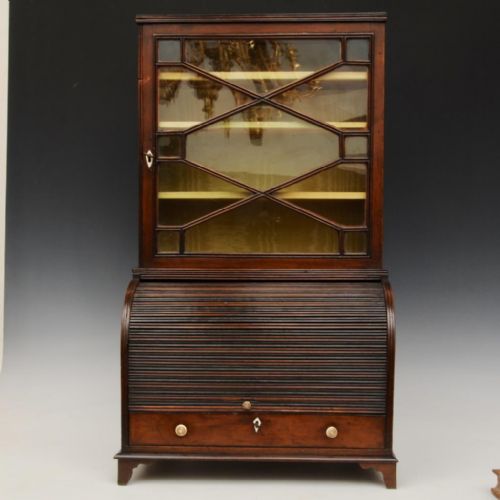


Vintage Rolling Bookcase
These vintage rolling bookcase examples offer mobile utility and period timber craftsmanship for any serious library setup.
Vintage Rolling Bookcase
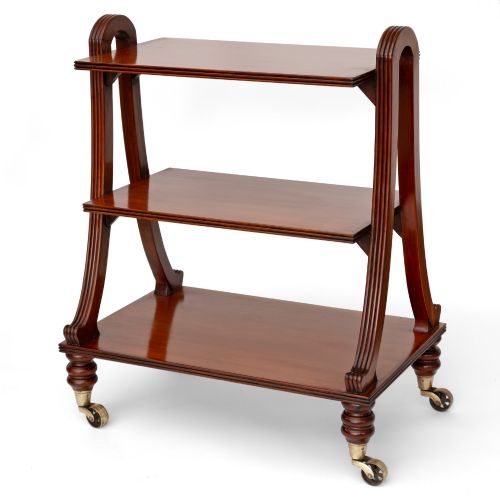
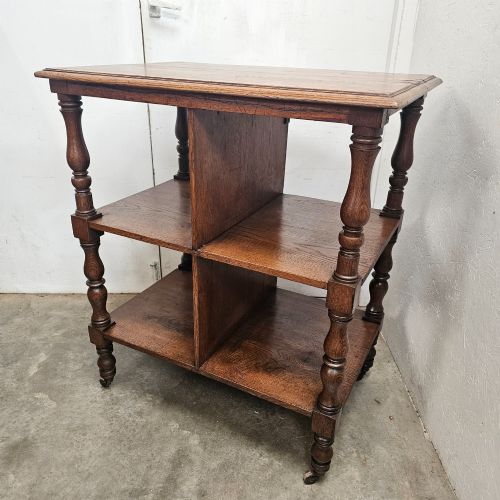
A vintage rolling bookcase brings mobility to traditional book storage, combining wheels or castors with tiered shelving or enclosed cabinetry. When you search for a vintage rolling bookcase, you find items designed to move heavy volumes easily across library floors and drawing rooms.
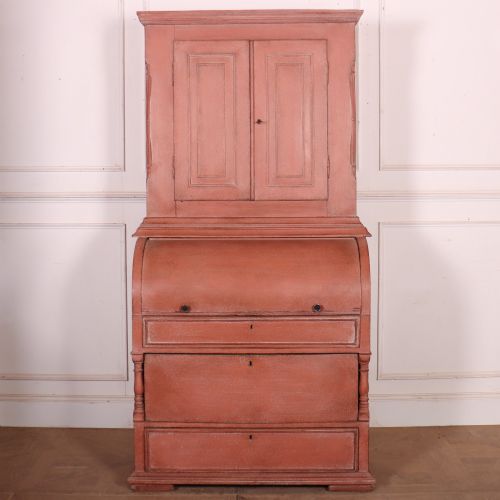
The pieces on this page span several distinct eras, drawing heavily on nineteenth century, Regency, Edwardian, and Victorian aesthetics. Mahogany and oak dominate the material palette, alongside occasional examples in satinwood, walnut, and painted pine.
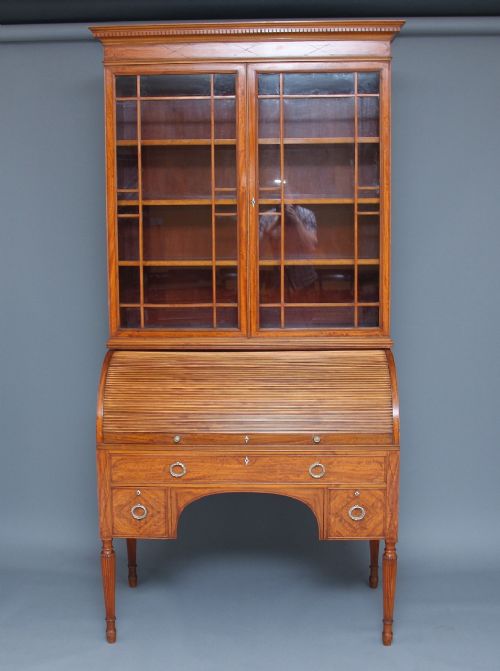
Formats range from dedicated library trolleys and carts with artillery castors to more complex cylinder desks, bureau bookcases, and compact miniature furniture. Edwardian roll top variants and French regional pieces appear alongside grander Regency and Scandinavian country designs.
Materials and construction methods
Makers utilised dense hardwoods such as mahogany and oak to build frames capable of supporting heavy rows of bound volumes. Satinwood and walnut also surface as decorative veneers, lending rich grain patterns to cylinder fronts and writing surfaces.
Functional hardware defines these items, notably brass and original artillery castors that allow smooth movement across timber floorboards. Glazed glass doors and lead details further distinguish the cabinetry, protecting contents while keeping volumes visible.
Vintage Rolling Bookcase Retail Price Guide 2026
Typical asking prices for vintage rolling bookcase among the pieces listed under this phrase on Sellingantiques today, from the lower quarter to the upper quarter. They describe what is for sale here now, not the wider market.
Judging quality in mobile shelving
Superior examples demonstrate seamless integration between the rolling mechanism and the wooden chassis, ensuring that heavy loads do not strain the joints. The robustness of the original castors and the smoothness of cylinder actions dictate the upper tier of the range.
Timber selection and secondary framing methods separate standard utility pieces from fine cabinetwork. Higher quality items feature thoughtful secondary woods, crisp carving details, and well-fitted glass or tambour panels that operate without binding.
Edwards & Roberts
The Vintage Rolling Bookcase Glossary
- Artillery castors
- Heavy-duty wheels originally designed for military ordnance, fitted to library trolleys to handle immense weight and movement. They provide both durability and a distinct industrial aesthetic.
- Cylinder top
- A curved wooden shutter that slides back into the body of a desk or bookcase to conceal the writing surface and pigeonholes. It offers a tidy alternative to traditional fold-down flaps.
- Tambour
- A flexible shutter made from narrow strips of wood glued to a canvas backing, allowing it to slide smoothly around a curved track. This technique requires precise joinery to prevent sticking.
- Bureau bookcase
- A combination of a sloping desk compartment below and shelving enclosed by doors above. It serves as a dual-purpose workspace and storage unit.
Vintage Rolling Bookcase: Frequently Asked Questions
What is a rolling bookcase?
A rolling bookcase is a mobile shelving unit or cabinet fitted with castors designed for transporting books easily between rooms.
These pieces range from open library trolleys to enclosed cylinder desks and bureau bookcases.
How do I care for mahogany?
Maintain mahogany timber by keeping it away from direct heat sources and applying appropriate natural waxes periodically.
Avoid excessive moisture and protect the surface from scratches using felt pads under heavy objects.
Are castors original?
Original brass or artillery castors show appropriate wear and match the mounting fixings typical of the piece's period.
Replacements often appear cleaner or utilise modern screw fittings that differ from historical manufacturing standards.
Where were they used?
These items populated large country house libraries, private studies, and institutional offices where moving reference books was necessary.
Smaller variants also served domestic drawing rooms for daily reading materials.