



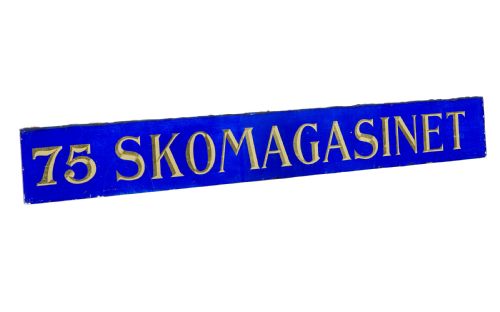
Vintage Reverse Painted Glass
These vintage reverse painted glass pieces bring vibrant trade signs, delicate portraits and games boards into focus through the back of the pane.
Vintage Reverse Painted Glass
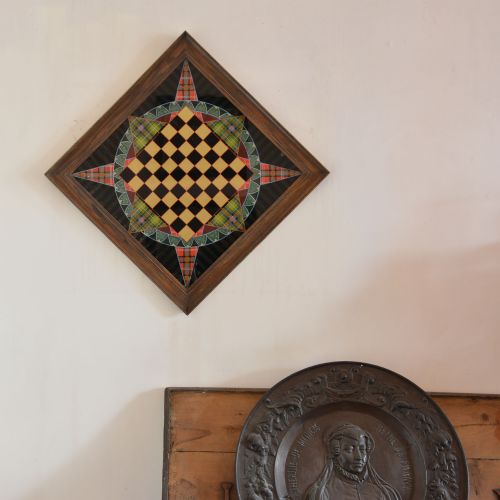
Buyers seeking vintage reverse painted glass encounter a diverse selection ranging from Georgian portraits and games boards to early twentieth century advertising signs. The items on this page span several periods, including Georgian, Victorian, Edwardian and the 1920s and 1930s.
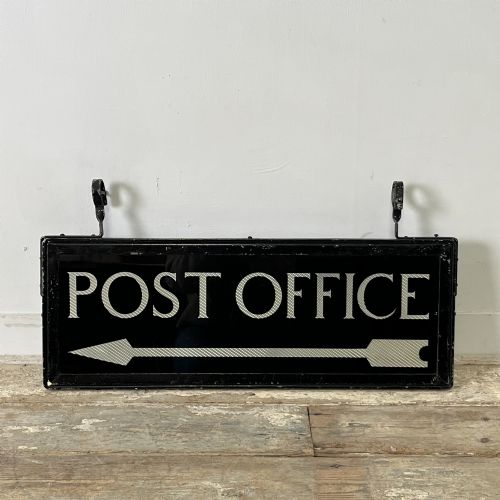
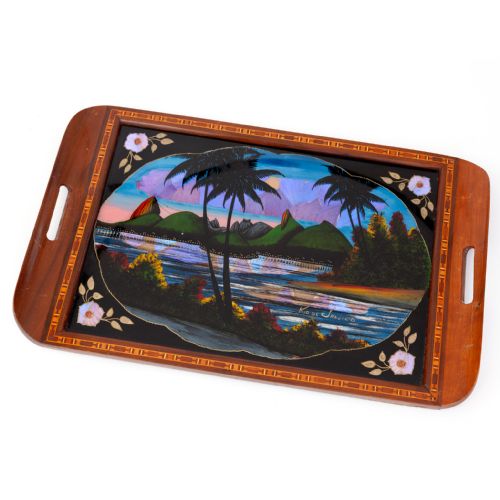
The inventory covers functional objects and decorative works, including wall signs, mirrors, trays and framed art. Among these, trade signs and advertising mirrors dominate, alongside portrait prints and chrystoleums.
Origins vary widely across the selection, featuring British, Scottish, Scandinavian, French, Chinese, Japanese and Brazilian examples. Each piece demonstrates how artists applied paint, gold leaf or paper directly to the rear of the glass plate.
How they were made
Makers utilised glass as the primary support, applying oil paint, enamel, paper and gold leaf to the reverse side so the design reads correctly from the front. This technique protects the delicate pigments behind a transparent shield.
Frames play a structural and aesthetic role, constructed from wood, gilt wood or maple to support the fragile glass panels. Many trade signs and mirrors retain their original timber surrounds.
Specialised variants such as chrystoleums involve hand-coloured photographs or prints mounted to glass, clarified with oil and further painted from behind to create depth.
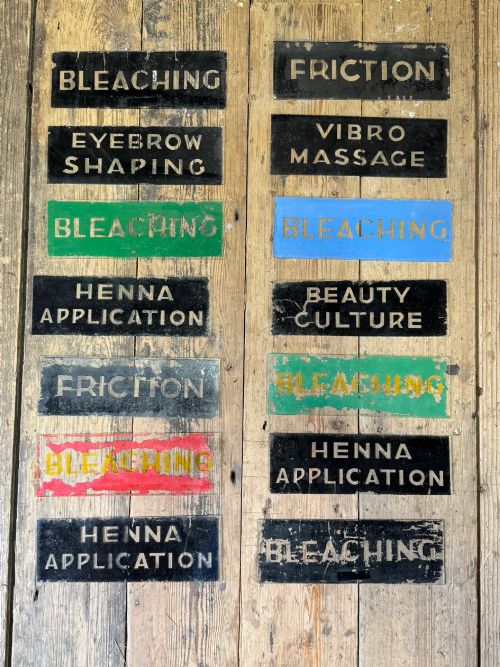
A hairdressing establishment left behind a fourteen-piece collection of signs, proving hairdos required serious signage.
What varies in quality
Quality rests in the crispness of the brushwork and the preservation of the applied gold leaf, oil paint or enamel behind the glass. Superior pieces maintain their original colour saturation without widespread flaking or pigment loss.
The integrity of the mounting matters greatly, particularly whether the glass remains secure within its original wooden frame or housing. Original backing papers and uncompromised sign lettering elevate the piece's historical weight.
W. Bishop·Takabatake Kasho·Schweninger
The Vintage Reverse Painted Glass Glossary
- Eglomise
- A technique involving the application of cold painting and metal leaf, particularly gold or silver, to the rear of glass. This method creates a reflective, mirror-like finish surrounding the painted details.
- Chrystoleum
- A Victorian method of applying a coloured photograph or print to the inside of a convex glass, thinning the paper, and painting the reverse to add rich colour. These works often mimic oil paintings.
- Reverse mezzotint on glass
- A print transferred onto glass and hand-painted from behind to produce a tonal image. The process combines printmaking with rear-surface painting.
- Essex crystal
- A convex rock crystal carved in intaglio on the flat back and painted to create a three-dimensional miniature scene. These stones are typically mounted in jewellery like brooches.
- Trade sign
- A painted board or glass panel utilised by a shop or business to advertise wares. These items were designed for daily commercial use in windows and storefronts.
Vintage Reverse Painted Glass: Frequently Asked Questions
What is vintage reverse painted glass?
These items are artworks, signs, mirrors and games boards created by applying paint, gold leaf or prints to the back of a glass panel. Viewers look through the smooth front surface to see the protected image.
The selection includes advertising pieces for shops, portraits and decorative scenes from the eighteenth century onwards. Each piece relies on rear-application techniques to achieve its specific finish.
How do I hang a glass sign?
Hanging these pieces requires secure wall fixings that support the weight of both the glass and the original wooden frame. Wall signs and mirrors should be mounted away from direct, harsh moisture to protect the rear paint layers.
Ensure the frame itself bears the hanging weight rather than relying on the glass panel. Professional picture hangers provide the necessary stability for heavier trade signs.
How are chrystoleums made?
A chrystoleum is produced by taking a photograph or print and adhering it face-down to the inside of a glass sheet. The paper backing is then rubbed away until thin enough to become translucent.
Artists painted oil colours onto the back of this translucent paper, creating a detailed and tinted image. Convex glass was frequently utilised to enhance the illusion of depth.