

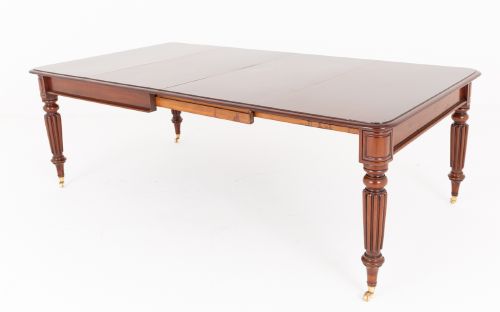

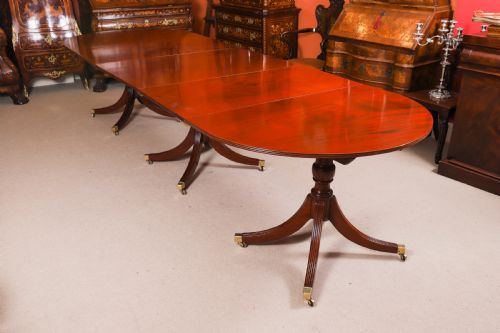


Vintage Regency Extension Table
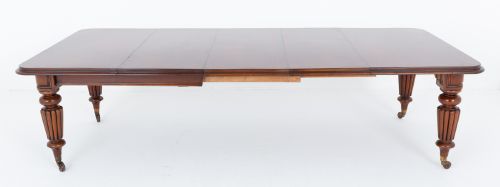
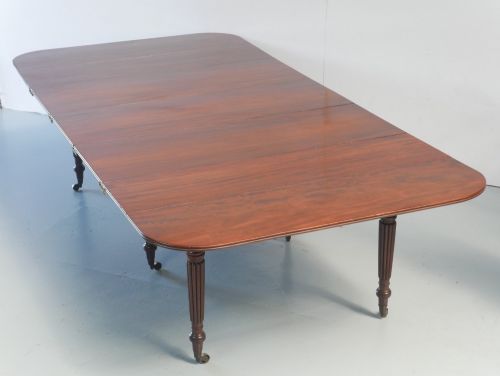
A vintage regency extension table brings the grand scale and modular convenience of the early nineteenth century straight to the modern dining room.
Vintage Regency Extension Table
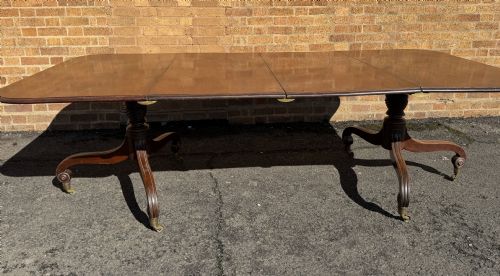
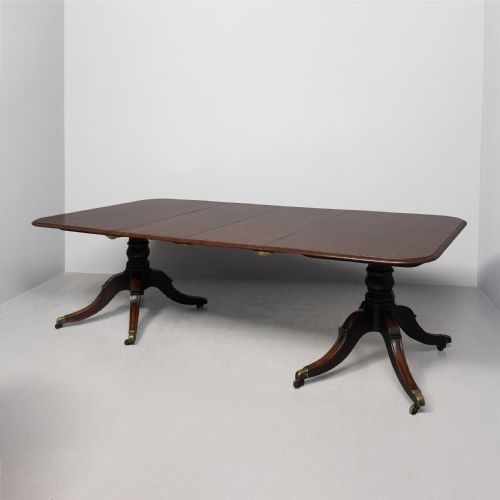
When you search for a vintage regency extension table, you are looking at substantial dining furniture designed to expand for large gatherings. The pieces gathered here span genuine nineteenth-century origins as well as later revival periods from the 1920s and 1930s.
The most common forms on this page include twin-pillar and triple-pedestal dining tables, often accompanied by extra leaves to alter the length. Alongside these grand dining formats, you will encounter smaller occasional pieces such as pembroke and sofa tables sharing the same aesthetic.
Originating primarily from the Georgian, Regency, and William IV eras, these tables reflect a tradition of adaptable domestic furniture. The inventory bridges the gap between authentic period antiques and later interpretations built in the same classical style.
Materials and construction methods
Makers of a vintage regency extension table relied heavily on rich timbers, with mahogany dominating the selection alongside occasional uses of rosewood and walnut. These dense hardwoods provided the structural stability required for multi-pillar formats and heavy tops.
Brass fittings frequently appear on the feet and mechanisms, adding functional detail to the timber framework. The integration of drop leaves and removable extra sections demanded precise cabinet work to ensure the surface remained level when extended.
Vintage Regency Extension Table Retail Price Guide 2026
Typical asking prices for vintage regency extension table among the pieces listed under this phrase on Sellingantiques today, from the lower quarter to the upper quarter. They describe what is for sale here now, not the wider market.
Listings span from the 1800 Georgian era through the 19th-century Regency period up to Edwardian and 1930s revival pieces.
Distinguishing quality across the range
The division between standard examples and the finest pieces rests upon the figure of the mahogany and the integrity of the pedestals. Superior tables display deeply grained timber selections and robust pillar supports that handle extended lengths without sagging.
Another measure of quality involves the mechanism used for adding extra leaves and the preservation of original brass components. Tables retaining their early extension systems and uncompromised structural frames stand apart from later replacements or heavily altered formats.
The Vintage Regency Extension Table Glossary
- Pedestal
- A central column support resting on splayed legs, commonly used to hold up the ends of large dining tables. Multiple pedestals allow a table to extend safely to considerable lengths.
- Pembroke table
- A small occasional table featuring hinged flaps on two opposing sides that can be raised to enlarge the surface area. They often include a single drawer and slender legs.
- Sofa table
- A rectangular occasional table traditionally designed to stand in front of a sofa, featuring drop leaves and low stretchers. They date predominantly from the Georgian and Regency periods.
- Extra leaves
- Removable wooden boards stored separately and inserted into the middle of an extending table to increase seating capacity. Their presence allows the table length to adapt to different occasions.
Vintage Regency Extension Table: Frequently Asked Questions
How do I add leaves to the table?
Most multi-pillar tables separate at the centre to allow drop-in boards to rest on wooden runners or bearers. Securing clips underneath typically lock the sections firmly into place.
Ensuring the floor is level helps the leaves align correctly with the main dining surface during assembly.
Can I use daily as a dining table?
These tables are built from durable hardwoods like mahogany and function exceptionally well for everyday family meals. Using heat mats and protective covers preserves the polished timber surface from daily wear.
Regular waxing maintains the moisture content of the wood and guards against accidental spillages.
How do I tell original Regency from revival pieces?
Original period tables display construction techniques, timber patination, and wear consistent with the early nineteenth century. Revival pieces from the 1920s or 1930s often show machine-cut elements and cleaner, less oxidized internal framing.
Examining the underside and the joint construction usually reveals the true age of the piece.
Where should a pedestal table be placed?
Twin and triple pedestal formats require adequate room around the perimeter for chairs to pull out comfortably. Placing the table centrally in a dining space allows the balanced proportions of the pillars to show.
Avoid positioning the timber directly next to heat sources to prevent the wood from drying out.