






Vintage Recliner
A vintage recliner brings mechanical ingenuity and deep comfort into a room through adjustable frames crafted in mahogany, oak, and leather.
Vintage Recliner
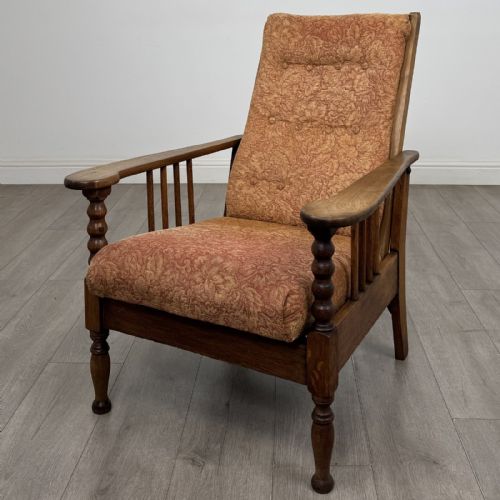
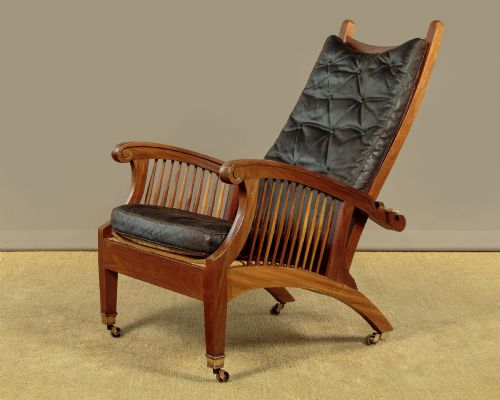
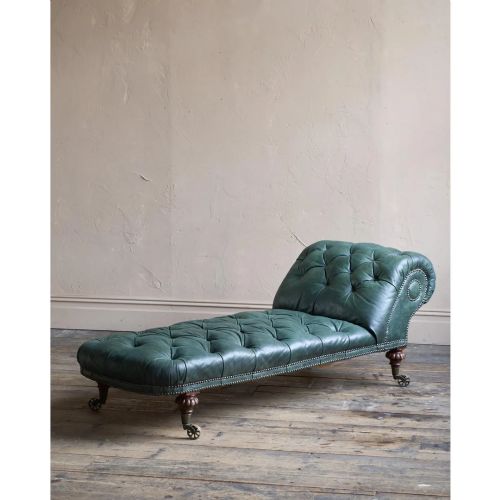
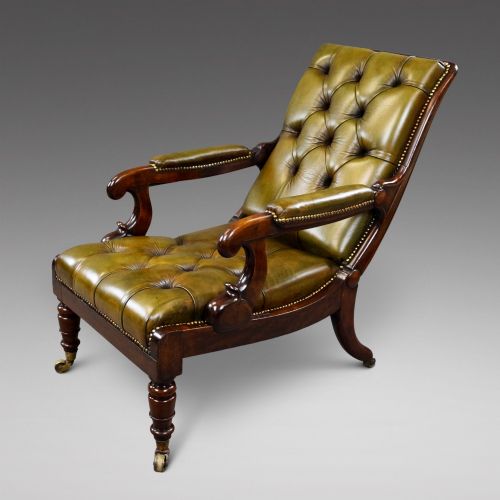
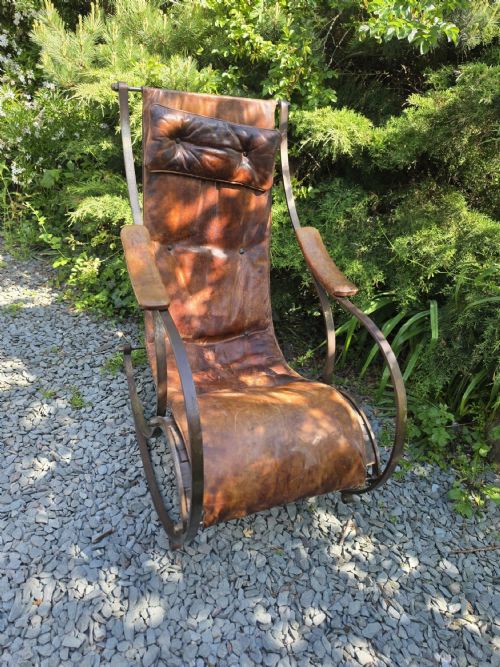
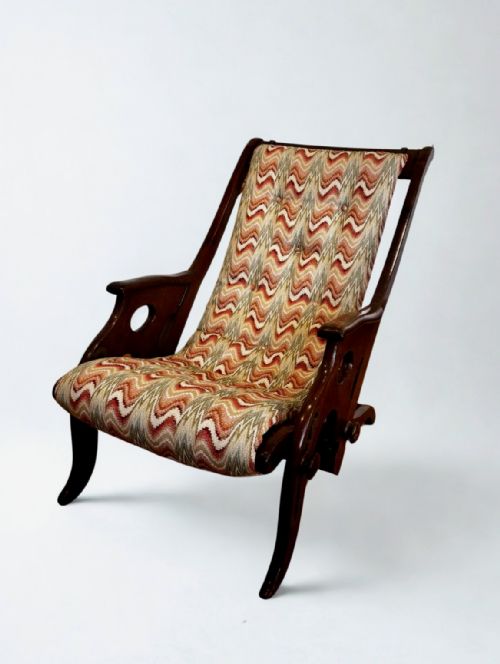
A vintage recliner spans forms such as adjustable armchairs, Morris chairs, library chairs, and steamer deck chairs originating from the nineteenth and early twentieth centuries. These seats incorporate mechanical actions, ranging from patent ratchets to folding frames, designed for rest and convalescence.
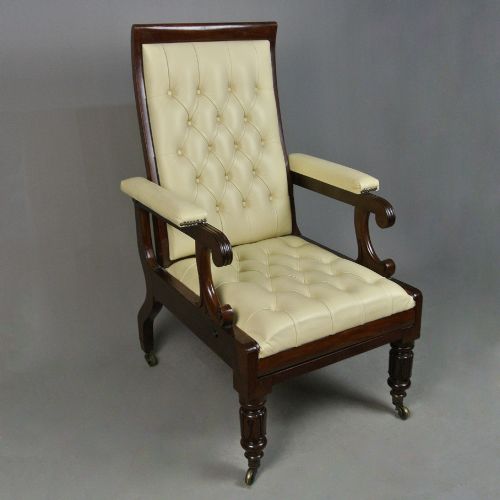
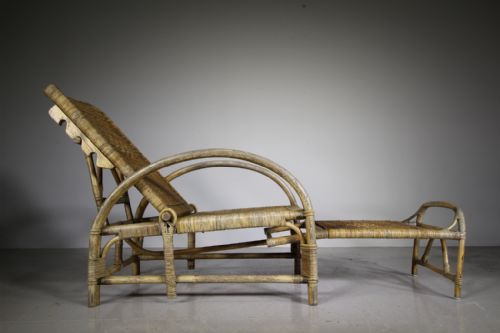
Buyers seeking a vintage recliner encounter solid timber frames paired with buttoned leather, cane, or fabric upholstery. Styles stretch from Regency and William IV designs through Arts and Crafts interpretations to early twentieth-century garden loungers and steamer chairs.
The selection includes specialised seating such as campaign armchairs, planters chairs, and invalid chairs alongside day beds and chaise longues. Oak and mahogany predominate in the timber frames, while iron and brass provide structural and mechanical support.
How they were made
Maker workshops utilised solid timbers including mahogany, oak, rosewood, and walnut to build robust chair frames that could withstand adjustable mechanical loads. Brass fittings, iron ratchets, and castors facilitated the movement required for reclining backs and extending footrests.
Upholstery techniques involved buttoned leather, linen, fabric, and cane panels threaded into wooden frames. Skilled cabinetmakers and patent holders incorporated complex hinges and pivoting mechanisms into library and invalid chairs.
Vintage Recliner Retail Price Guide 2026
Typical asking prices for vintage recliner among the pieces listed under this phrase on Sellingantiques today, from the lower quarter to the upper quarter. They describe what is for sale here now, not the wider market.
Some nineteenth-century sitters required fully adjustable invalid chairs equipped with wheels and writing slopes to manage daily correspondence while recovering.
What varies in quality
The calibre of a reclining chair rests upon the complexity and original execution of its mechanical action, whether patent ratchet or folding linkage. Smoother operation and heavier gauge brass or ironwork distinguish superior examples from simpler forms.
Material selection and cabinetmaking execution dictate distinction, separating standard production seating from works bearing named maker attributions or patent stamps. The integrity of the timber frame and the retention of original upholstery materials influence overall character.
Angraves of Leicester·J Herbert McNair·Jas Shoolbred·John Ward·Robert Daws
The Vintage Recliner Glossary
- Bergère
- A upholstered armchair with enclosed sides, where the frame is typically exposed and panels are woven from cane.
- Morris chair
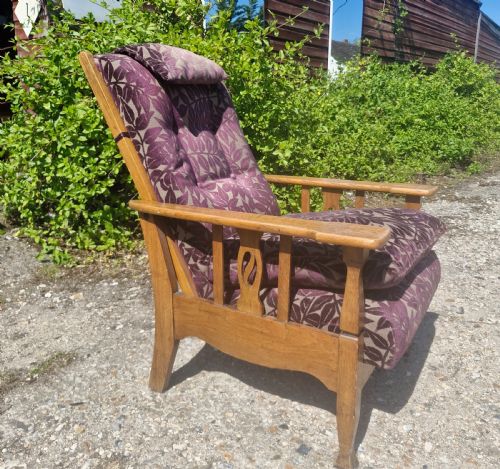
- An early form of reclining armchair featuring an adjustable back suspended on a rod or pegs between the arm uprights.
- Planters chair
- An armchair featuring extended arms designed to support the legs, frequently produced in colonial contexts using rosewood or teak.
- Steamer chair
- A folding wooden deck or lounge chair utilised on ship voyages and garden lawns, often fitted with a sliding footrest.
- Patent chair
- A seating design incorporating a legally registered mechanical adjustment system invented by makers such as Daws or Foot and Son.
Vintage Recliner: Frequently Asked Questions
How do vintage recliners work?
Many vintage recliners utilise a mechanical system of adjustable ratchets, hinges, or pivoting brass rods to alter the angle of the backrest. Users manually set the position by engaging the frame into designated notches or securing sliding components.
Other designs rely on folding wooden frameworks, such as steamer chairs, which collapse or extend through pivoting cross-members. These mechanisms allowed nineteenth-century sitters to recline for reading or convalescing without modern springs.
Where were these chairs used?
These chairs were primarily placed in libraries, studies, and drawing rooms where gentlemen and convalescents required adjustable seating for reading or resting. Library chairs often featured writing slopes or extending footrests to accommodate extended periods of study.
Lighter versions, such as steamer chairs and wicker garden loungers, were built for ship decks, verandas, and lawns. Campaign and invalid chairs served utilitarian purposes during travel or recovery from illness.
How do I identify a patent recliner?
Patent recliners frequently bear brass plaques, stamped makers' marks, or registry numbers detailing the inventor and the manufacturing firm. Names such as Daws or Foot and Son often appear on the mechanism or frame timbers.
The presence of complex iron ratchets, brass adjustment rods, and proprietary hinges usually indicates a patented design intended to improve user comfort during the nineteenth century.
What is a Morris chair?
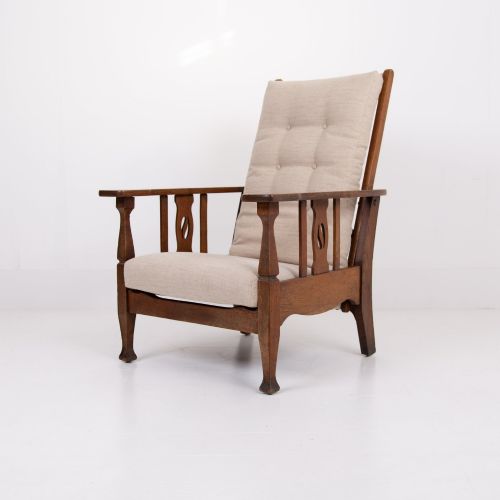
A Morris chair is an armchair featuring an adjustable reclining back suspended between the rear posts by a metal rod or wooden pegs. Originating in the Arts and Crafts period, these chairs emphasise exposed oak frames and loose cushions.
They derive their name from the design popularized by William Morris's firm, becoming a staple form for Arts and Crafts workshops and makers across the early twentieth century.
Are these chairs comfortable?
Victorian and Edwardian recliners provide substantial physical support through sprung seats, buttoned leather upholstery, and angled backs. The ability to adjust the recline allows sitters to find an ergonomic posture suited for resting.
Chairs upholstered in horsehair or stuffed with traditional materials offer a firm seat compared to modern foam upholstery. Many incorporate footrests or extendable sections to support the legs.