


Vintage Reading Glasses
Vintage reading glasses take shape through magnifying lenses, lorgnettes, and desk illumination designed to assist the eye.
Vintage Reading Glasses
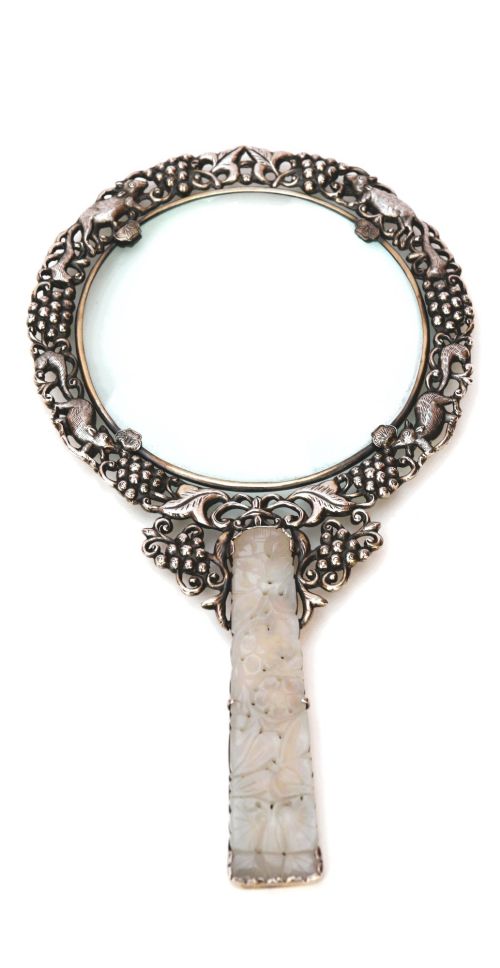
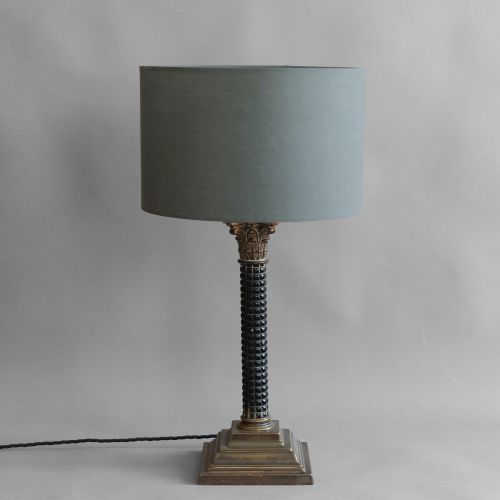
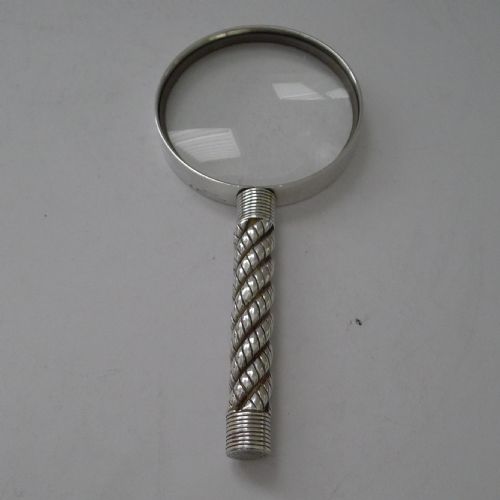
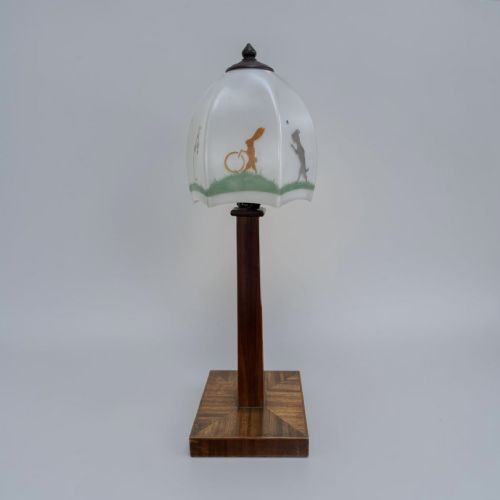
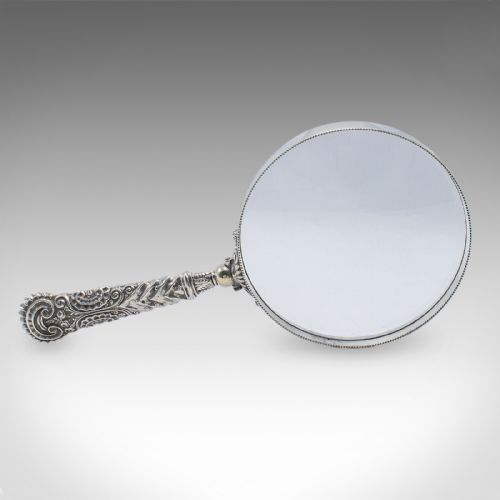
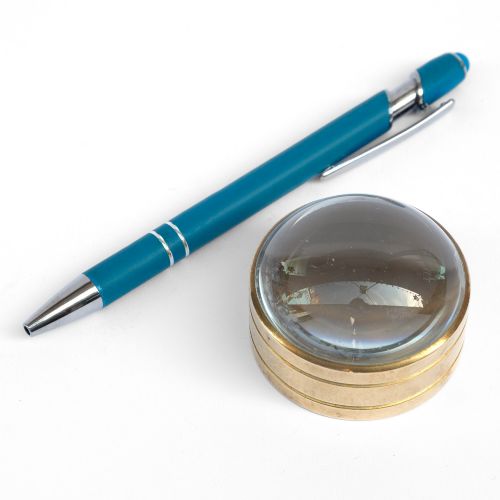
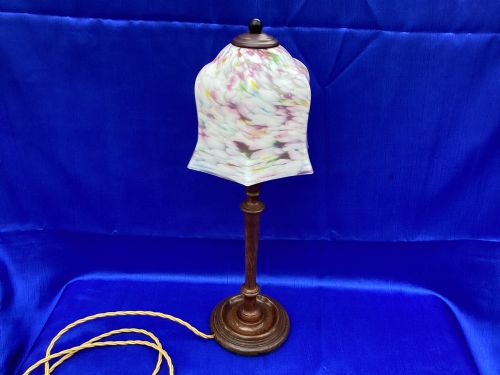
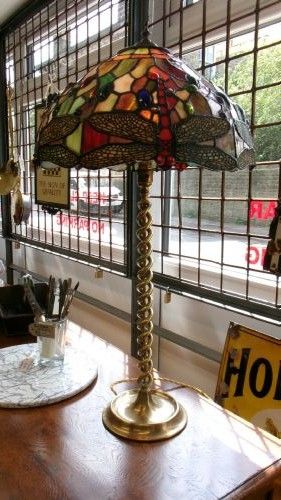
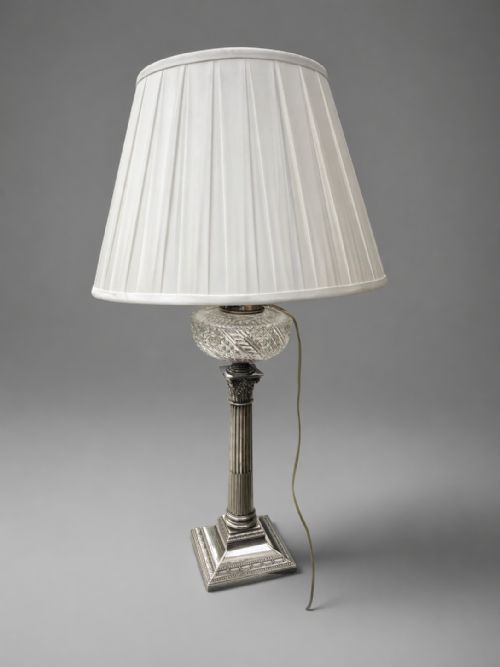
Vintage reading glasses and associated aids encompass magnifying lenses, lorgnettes, and adjustable reading lamps spanning from the Victorian period through the mid-century modern era. Collectors encountering this search phrase find handheld magnifying glasses, desk-mounted lenses, folding lorgnettes, and task lighting designed to illuminate books and documents.
The objects derive from diverse aesthetic movements, including Art Deco, Edwardian, Arts and Crafts, and Art Nouveau styles. Materials range from sterling silver and brass to chrome, bronze, and opaline glass, reflecting functional utility combined with period craftsmanship.
How they were made
Metals such as brass, bronze, silver plate, and sterling silver form the structural frames and stands, often shaped through casting, turning, and open-twist wirework. Silver components frequently display hallmarks from silversmithing hubs such as Birmingham, alongside decorative elements like guilloche enamel and shagreen.
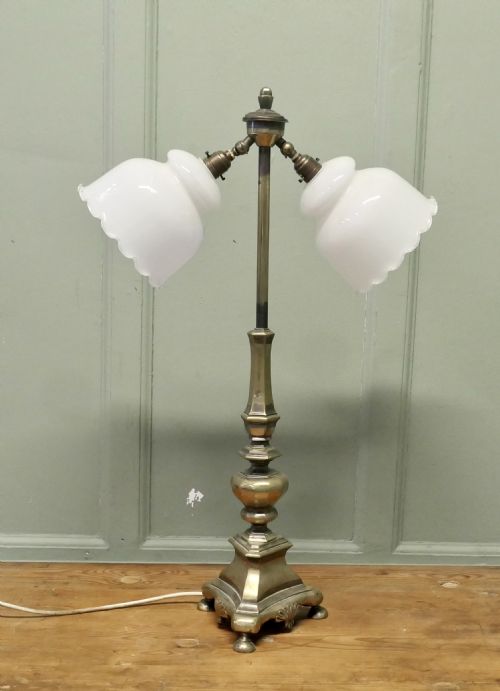
Optical glass provides the lens components, paired in certain pieces with decorative shades formed from opaline glass, cranberry glass, or fabric. Desk lamps and magnifying stands utilise articulated joints, swan-neck tubing, and heavy weighted bases to maintain stability and adjustable focus.
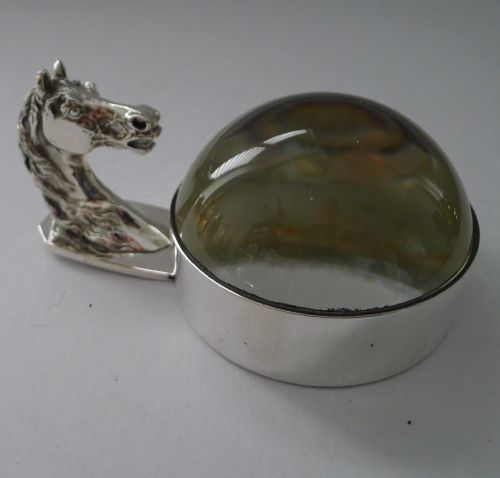
An equestrian horse head carved into a handle assists someone who prefers their reading glass with a side of stableyard character.
What varies in quality
The standard of materials and finishing distinguishes examples across the selection, particularly in the weight of the metal mounts and the clarity of the glass lenses. Solid brass, heavy bronze, and sterling silver handles demonstrate superior durability compared to lighter silver plate or base metal alternatives.
Precision in mechanical movement defines the better adjustable lamps and folding lorgnettes, where joints, pivots, and threaded fixings operate smoothly without slack. Integration of decorative details, such as hand-applied enamel, intricate piercing, and matched maker marks, separates standard utility items from workshop productions.
Hermes Paris·Broadway And Co·Eileen Grey·Mappin And Webb·P H Vogel And Co·Karl Ens·Anton Buschelberger·Joseph Hinks·Wild And Wessel·The Charles Parker Company
The Vintage Reading Glasses Glossary
- Lorgnettes
- Foldable eyeglasses held by a long handle rather than fitting over the ears. These optical aids often incorporate decorative frames set with platinum, diamonds, or precious metals.
- Guilloche enamel
- A decorative technique where a precise geometric pattern is mechanically engraved beneath a translucent enamel layer. It appears frequently on small silver accessories and magnifying handles.
- Shagreen
- Untanned skin from sharks or rays used as a tactile covering for small items. It provides a distinct textured surface on period desk accessories.
- Opaline glass
- A type of semi-translucent glass, often pale blue, white, or pink, used for lamp bases and shades. It diffuses light softly across reading surfaces.
- Swan neck
- A curved, flexible or fixed metal tube used on desk lamps to direct illumination. This form allows the lamp head to pivot smoothly.
- Angle-poise
- A counter-balanced mechanical arm system that holds a lamp in position at various angles. It represents a functional design developed for task lighting.
Vintage Reading Glasses: Frequently Asked Questions
What periods do vintage reading glasses and aids cover?
The available evidence spans from the Victorian era and the 1880s through the Edwardian period, 1920s, 1930s, and into mid-century modern examples from the 1960s.
Designs shift from ornate 19th-century silver and bronze work toward the clean geometric lines of Art Deco chrome and Bakelite.
How were magnifying glasses and lamps used originally?
Handheld magnifying glasses and desk-mounted lenses served as library aids for examining fine print, maps, and documents before electric lighting became universal.
Adjustable brass and bronze lamps provided directed task illumination for reading desks and tables.
What materials are common in these reading aids?
Common materials include optical glass lenses mounted in brass, sterling silver, silver plate, bronze, and rosewood. Supporting stands incorporate marble, oak, and weighted iron bases.
Lighting elements feature opaline glass, cranberry glass, and fabric shades alongside chrome and brass frames.
How do I identify Art Deco reading accessories?
Art Deco pieces typically display streamlined geometric forms, smooth chrome plating, and contrasting materials like Bakelite or shagreen. They often date from the 1920s and 1930s.
Maker marks and hallmarks from firms active during this period help confirm the date of production.