


Vintage Reading Glass
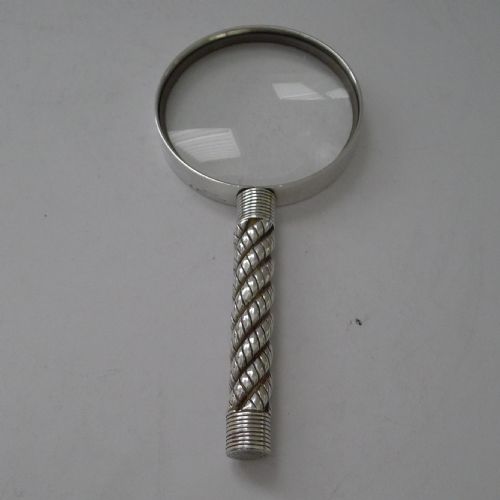
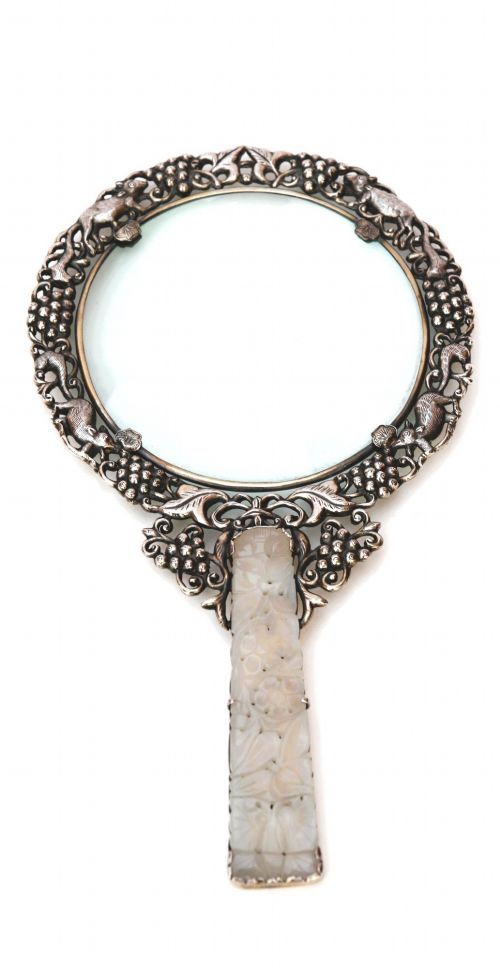
A vintage reading glass brings tactile precision and period character to a desk, offering clear optics housed in brass, silver plate or early plastics.
Vintage Reading Glass
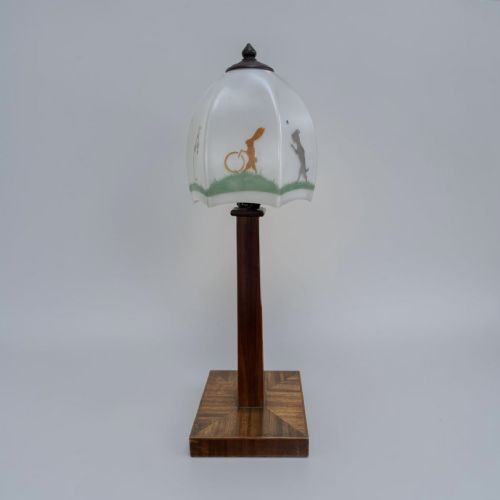
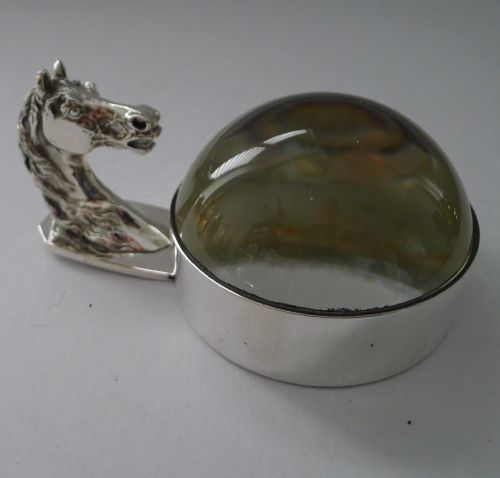
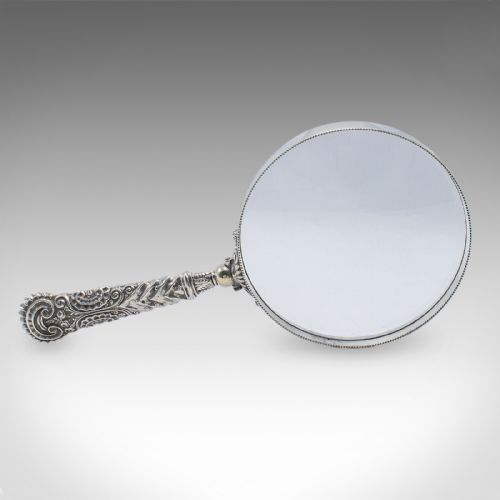
A vintage reading glass covers a range of desk accessories and magnifiers designed for close inspection of maps, text and fine details. Buyers seeking a vintage reading glass encounter forms varying from heavy brass library lenses to folding pocket lorgnettes and equestrian themed desk pieces. The selection spans periods including Victorian, Edwardian, Art Deco and Mid-Century Modern.
The most common examples on this page are brass mounted desk top magnifiers and pocket pieces dating from the late nineteenth century through to the mid twentieth century. These items combine utilitarian function with decorative metalwork and specialised handles made from early plastics or horn substitutes.
Origins represented in these items include English and French workshops, featuring specialty makers such as CW Dixey London and Hermes Paris. Object types categorized under this search range from traditional magnifying glasses to lorgnettes and desk accessories.
How they were made
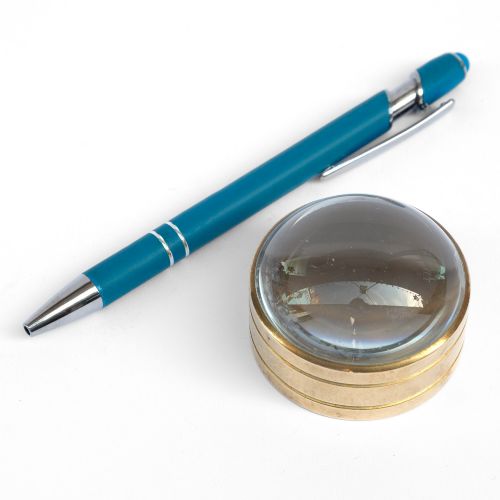
Construction relies on heavy optical glass lenses held securely within metal mounts of brass, steel or silver plate. Frames and handles often incorporate early manufactured materials such as celluloid and faux tortoiseshell, mirroring natural horn and shell through chemical processing.
Mechanisms range from simple solid casts to articulating joints, folding frames and angle-poise arms patented by makers like Webber. Metal components involve casting, turning and hand-finishing, whilst handled pieces frequently showcase pinned or riveted construction.
Vintage Reading Glass Retail Price Guide 2026
Typical asking prices for vintage reading glass among the pieces listed under this phrase on Sellingantiques today, from the lower quarter to the upper quarter. They describe what is for sale here now, not the wider market.
Some nineteenth century optics incorporate handles shaped as equestrian horse heads for the dedicated rider.
What varies in quality
Quality rests upon the optical clarity of the glass lens and the substantial weight of the metal mount. Heavier brass frames and distortion-free lenses indicate superior manufacture compared to lighter, purely decorative variants.
The integrity of specialised mechanisms, such as folding joints or adjustable library arms, distinguishes standard utilitarian items from patented or maker-marked pieces. Signed examples by established opticians and luxury houses retain greater fidelity in their finish and materials.
Hermes Paris·CW Dixey London·Webber Patent
The Vintage Reading Glass Glossary
- Lorgnette
- A pair of spectacles or magnifying lenses held in place with a handle rather than fitting over the ears. These folding designs were popular for brief reading and theatrical use during the Victorian period.
- Celluloid
- An early thermoplastic created from nitrocellulose and camphor, used extensively in the nineteenth and twentieth centuries to simulate ivory, tortoise shell and bone. It provides a tactile, lightweight alternative to metal handles.
- Angle-poise
- A mechanical arm arrangement utilising springs or balanced pivots to hold a lens or light source in multiple fixed positions. This industrial design allows hands-free adjustment over large desk maps and documents.
- Silver plate
- A thin layer of silver fused or electroplated onto a base metal core such as brass or copper. It offered the appearance of solid silver at a lower production cost for desk accessories.
Vintage Reading Glass: Frequently Asked Questions
What is a vintage reading glass used for?
These pieces function primarily as desk accessories for reading small print, examining maps or inspecting fine art details.
Beyond practical utility, they serve as decorative objects that add period character to a study, library or office desk.
How do I date a brass magnifying glass?
Dating relies upon stylistic cues from periods such as Victorian, Edwardian or Art Deco, alongside manufacturing techniques and materials.
Patents marked on the metal frame or maker signatures etched into the glass or handle provide precise chronological reference points.
Are early plastics durable on vintage pieces?
Materials like celluloid and faux tortoiseshell remain stable under normal handling conditions, though they require protection from direct heat and strong solvents.
These early plastics were valued for their ability to replicate natural horn while offering lightweight durability for pocket and desk use.
What makes a magnifying glass collectible?
Collectibility is driven by maker attribution, unusual mechanical patents, heavy brass construction and specialised forms like mammoth map lenses.
Signed pieces by historic opticians or luxury fashion houses command particular interest among collectors of desk antiquities.