




Vintage Rattan Furniture
Vintage rattan furniture brings lightweight strength and warm texture to interiors through woven seating, tables, and cabinets from past eras.
Vintage Rattan Furniture
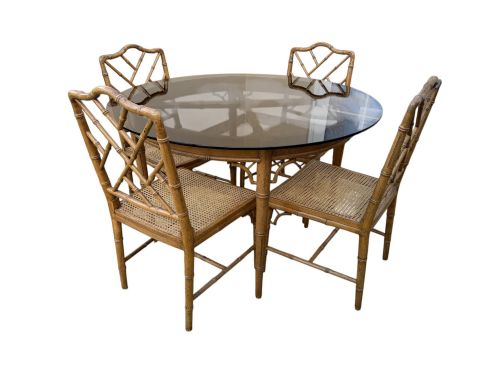
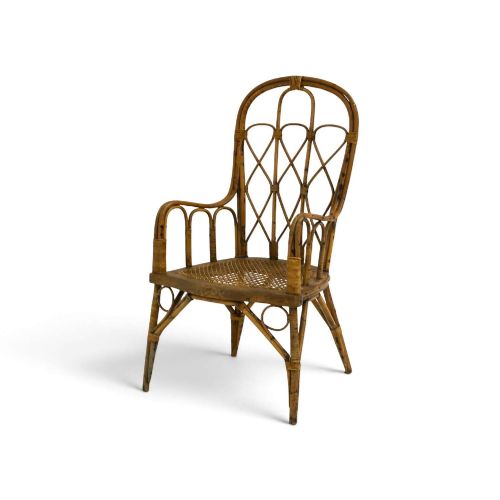
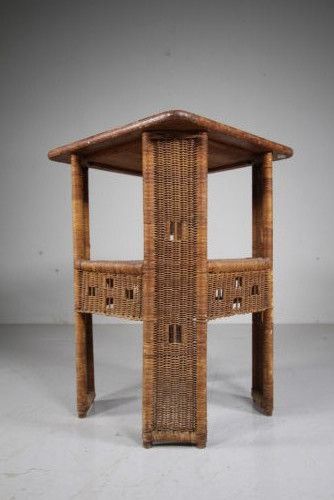
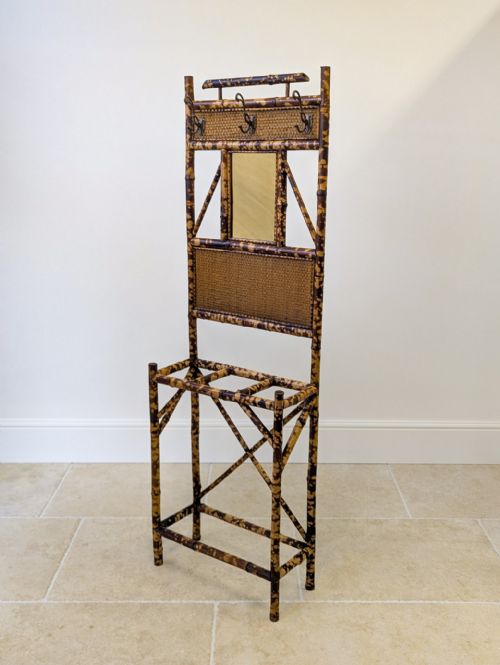
Vintage rattan furniture encompasses a diverse selection of seating, storage, and occasional pieces produced across the nineteenth and twentieth centuries. Buyers searching for vintage rattan furniture will encounter items spanning the Victorian era, the 1920s, and the 1930s, reflecting shifts in domestic design from ornate Aesthetic Movement hall stands to streamlined French Art Deco drinks cabinets.
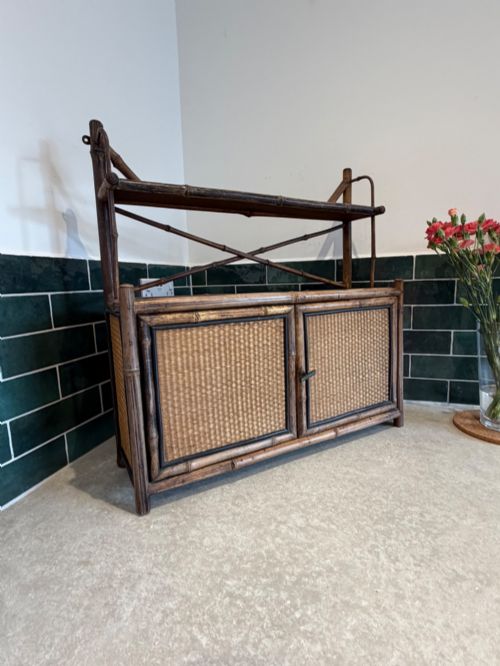
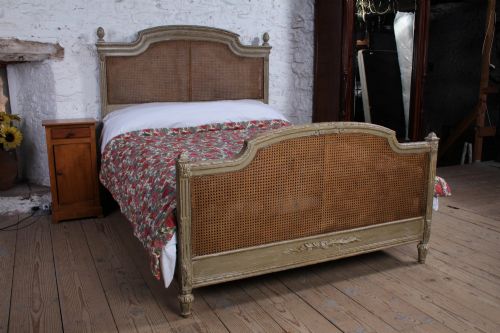
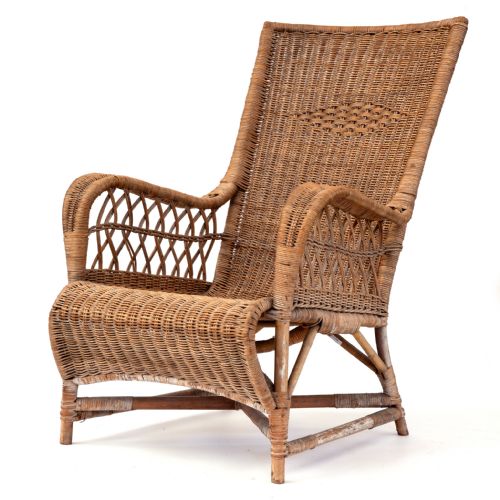
The objects listed under this category range from intimate side tables and corner shelves to substantial bookcases, armchairs, and full bedsteads. Many pieces combine woven elements with bamboo, teak, mahogany, or oak, while others showcase specialised European production from makers associated with the era.
How they were made
Makers constructed these pieces using natural materials such as rattan, cane, bamboo, and wicker, often pairing them with solid hardwoods like mahogany and oak for structural frames. Woven components required skilled hand manipulation to create durable surfaces for seats, panels, and shelf inserts.
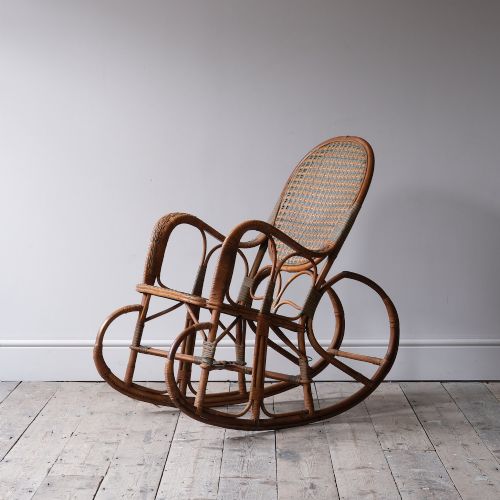
Additional hardware elements, including brass fittings, cast-iron legs, and glass panels, appear on specific forms like drinks cabinets and campaign beds. Artisans utilised steam-bending techniques to shape bamboo and flexible cane into curved profiles characteristic of the Aesthetic Movement and later Art Deco styles.
Vintage Rattan Furniture Retail Price Guide 2026
Typical asking prices for vintage rattan furniture among the pieces listed under this phrase on Sellingantiques today, from the lower quarter to the upper quarter. They describe what is for sale here now, not the wider market.
What varies in quality
The distinction between standard domestic items and finer examples lies in the complexity of the joinery and the integrity of the woven surfaces. Pieces featuring integrated hardwoods, robust framing, and retained maker attribution demonstrate higher standards of period craftsmanship.
Design ambition also separates the range, with simple utility items contrasting against elaborately styled French Riviera loungers, Anglo-Indian colonial chairs, and signed retail pieces. The survival of original structural supports, such as cast-iron legs or folding campaign mechanisms, influences the overall character of each piece.
Dryad of Leicester·Heals and son·Lloyd loom
The Vintage Rattan Furniture Glossary
- Rattan
- A climbing palm with strong stems used whole for structural framing or split for weaving. It provides flexibility and durability in chairs, tables, and cabinets.
- Cane
- Strips derived from the outer bark of the rattan palm, traditionally woven into patterned meshes for seats and backrests. This technique creates a breathable, lightweight surface.
- Bamboo
- A woody grass utilised for structural poles in nineteenth and twentieth-century furniture frames. It offers a lightweight alternative to traditional hardwoods while maintaining rigidity.
- Wicker
- A method of weaving pliable plant materials into finished furniture forms rather than the specific material itself. It encompasses various plant fibres including willow, reed, and rattan.
- Campaign Bed
- Portable furniture designed for travel, typically featuring folding wooden frames and tensioned woven beds. These pieces prioritize modular assembly and compact transport.
Vintage Rattan Furniture: Frequently Asked Questions
What periods do these pieces date from?
The pieces span from the nineteenth century through the 1930s, encompassing Victorian, Edwardian, and interwar design movements.
Specific dates depend on the construction style and materials, ranging from 1890s bamboo pieces to 1930s French lounge furniture.
How do I identify different styles?
Styles range from ornate Victorian Aesthetic Movement and Arts and Crafts pieces to sleek French Art Deco and minimalist Anglo-Indian designs.
Examining the structural framing and woven patterns helps distinguish between nineteenth-century bamboo work and twentieth-century European production.
Were these items used indoors?
While many pieces functioned as interior drawing room furniture, hall stands, and bedroom bedsteads, others served specialised roles such as colonial plantation chairs or folding campaign beds.
Sun loungers and garden tables also catered to transitional indoor-outdoor spaces like sunrooms and veranda settings.
How do I care for vintage woven surfaces?
Natural fibres benefit from gentle dusting with a soft brush and occasional light moisturization to prevent the cane or rattan from becoming brittle.
Keeping pieces away from direct heat sources and excessive moisture preserves the structural integrity of the woven panels.