




Vintage Putti Figures
These vintage putti figures bring classical winged forms into domestic and garden settings through bronze, porcelain, and stone.
Vintage Putti Figures
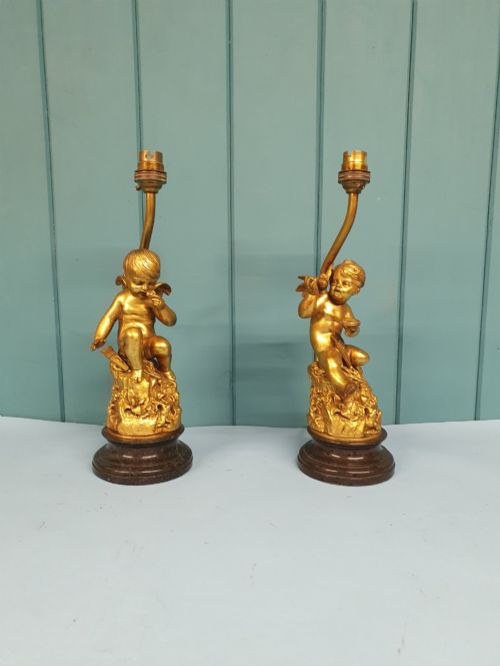
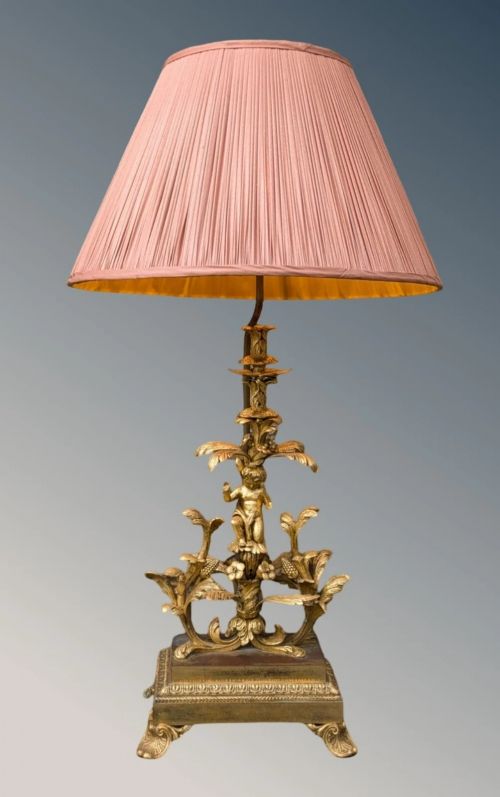
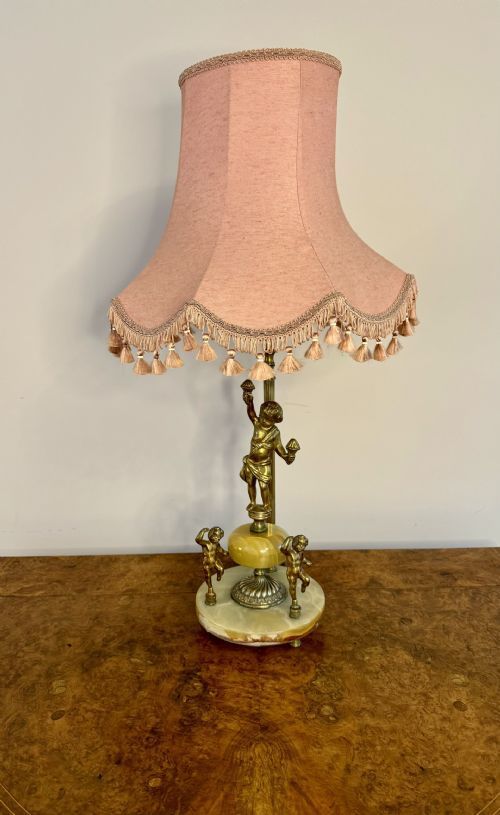
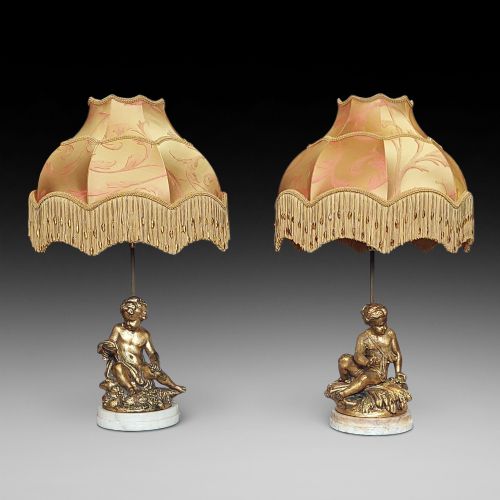
Vintage putti figures capture winged cherubic boys and allegorical infants across nineteenth and twentieth century periods. You will encounter table lamps, porcelain figurines, and garden statues drawing on neoclassical and rococo revival styles.
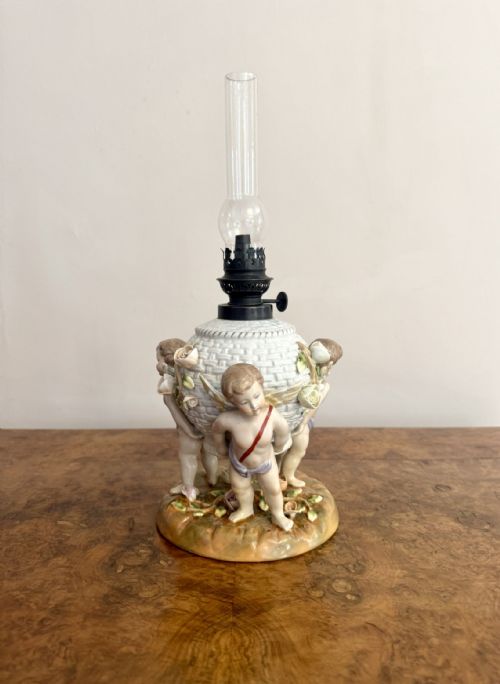
The selection ranges from porcelain oil lamps and porcelain groups to heavy cast iron garden pots, architectural pieces, and bookends. Many examples originate from continental workshops in Italy, France, and Germany.
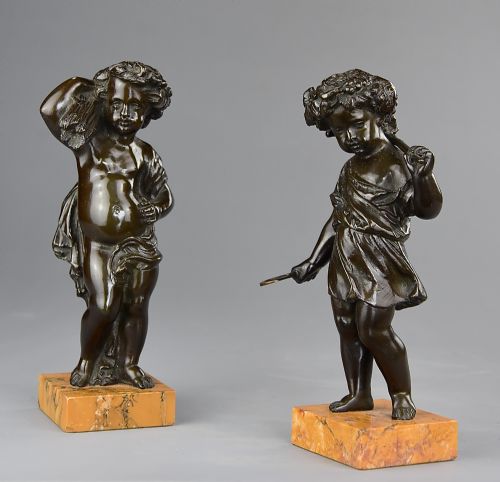
Sculptures appear as standalone bronze statuettes, wall decorations, and functional lighting. The forms lean heavily on classical mythology, harvest themes, and allegorical subjects.
How they were made
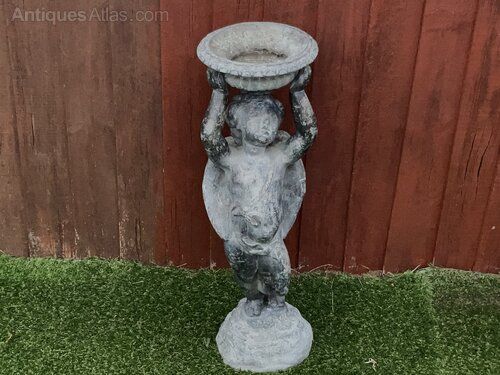
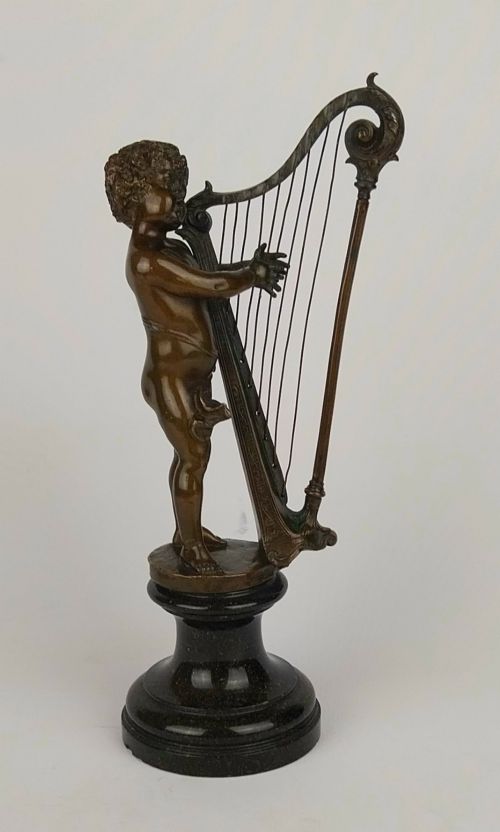
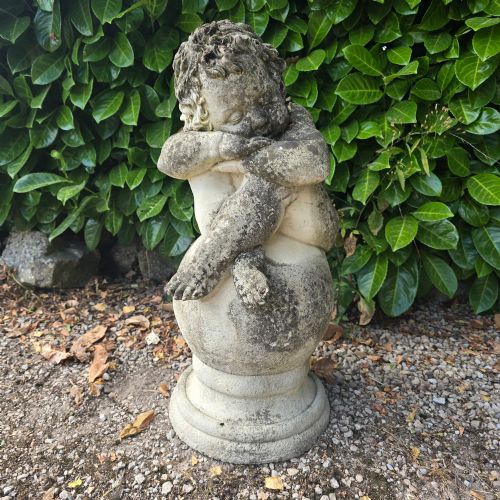
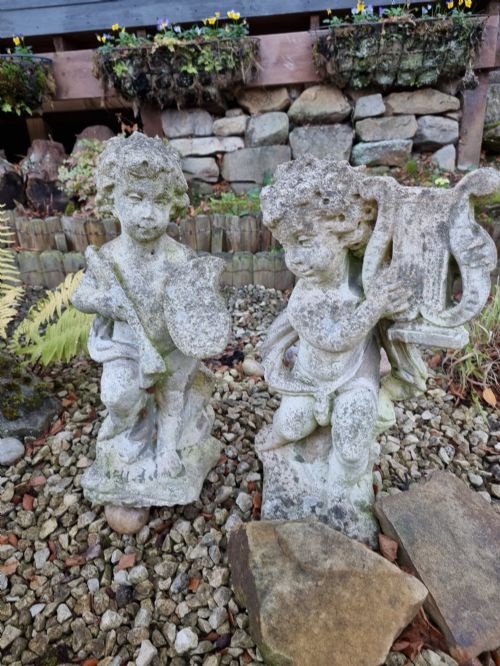
Metal versions utilise bronze, gilt bronze, brass, and cast iron, often cast in sections and finished with chasing or gilding. Lead and reconstituted stone appear predominantly in heavier garden and architectural pieces.
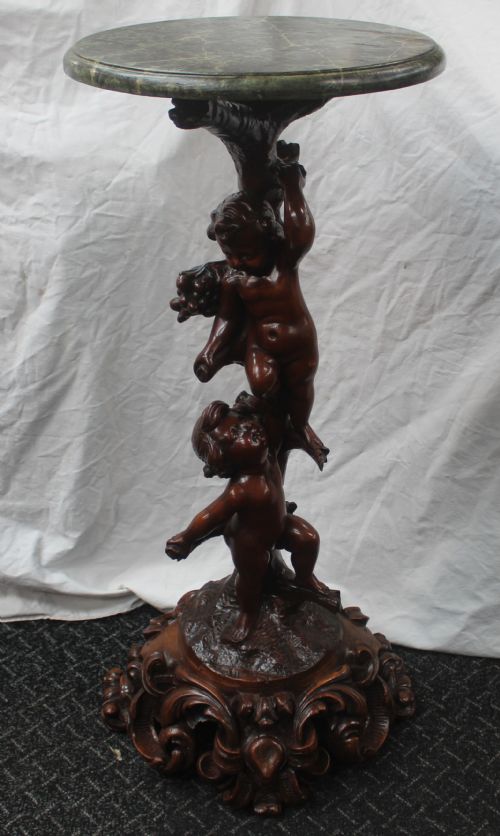
Ceramic forms employ hard-paste porcelain and continental clay bodies, shaped in moulds and hand-painted or glazed. Alabaster, onyx, and marble provide natural stone mounts and bases for table lamps.
Vintage Putti Figures Retail Price Guide 2026
Typical asking prices for vintage putti figures among the pieces listed under this phrase on Sellingantiques today, from the lower quarter to the upper quarter. They describe what is for sale here now, not the wider market.
Several cherubs double as heavy doorstops, holding doors open with divine authority.
What varies in quality
Quality rests in the crispness of the casting and the sensitivity of the modelling in faces and limbs. Finer bronze and porcelain examples show sharp detail in hair and drapery, whereas lesser pieces lose definition in secondary casts.
Material integration dictates value, particularly in converted lamps where wiring and mounts meet antique bronze or alabaster. Original gilding, hand-painted porcelain enamels, and natural weathering on stone separate standard production from exceptional pieces.
Royal Dux Bohemia·Royal Worcester·Sitzendorf
The Vintage Putti Figures Glossary
- Putto
- A plump, naked male child figure found in classical art, often winged and referred to as a cherub. They populate rococo and neoclassical decorative arts.
- Gilt bronze
- Bronze metal coated with a thin layer of gold or gold-coloured alloy to give a rich metallic sheen. It appears frequently on nineteenth-century French lighting and mounts.
- Tole peinte
- Painted sheet metal used for decorative objects and lamp bases during the nineteenth century. The surface typically bears hand-painted floral or figural motifs.
- Hard-paste porcelain
- A durable ceramic material fired at high temperatures, composed of kaolin and petuntse. Continental factories utilised it for detailed figurines and oil lamps.
- Neoclassical
- A style reviving classical Roman and Greek motifs, symmetry, and restrained ornamentation. It dominates many of the nineteenth-century bronze and marble pieces here.
Vintage Putti Figures: Frequently Asked Questions
What are vintage putti figures?
Vintage putti figures are sculptural representations of winged infants and cherubs produced across the nineteenth and twentieth centuries. They span materials from cast bronze and porcelain to stone and iron.
These pieces serve as freestanding sculptures, bookends, doorstops, and decorative lighting bases. Their designs draw directly from classical and revivalist European art traditions.
How were putti figures used historically?
Historically, putti decorated domestic interiors through mantel ornaments, candelabra, and oil lamps. They symbolised classical themes, love, and the harvest.
Larger versions adorned gardens, patios, and architectural facades in stone, lead, or cast iron. Indoor pieces brought neoclassical and rococo elegance to nineteenth-century drawing rooms.
How should I clean bronze putti?
Bronze putti require gentle dusting with a soft, dry cloth to remove surface particles. Avoid chemical polishes that strip original patination and historical wear.
Wax can protect outdoor or indoor bronze surfaces when applied sparingly. Heavy cleaning risks destroying the aged patination valued by collectors.
How do I tell porcelain from bronze?
Porcelain pieces feel smooth and ceramic, often featuring hand-painted glazes and hollow moulded bodies. Bronze objects feel heavy, cold to the touch, and metallic.
Porcelain figures usually originate from factories like Sitzendorf or Royal Worcester. Bronze and brass examples rely on metal casting and patination rather than ceramic glazes.