





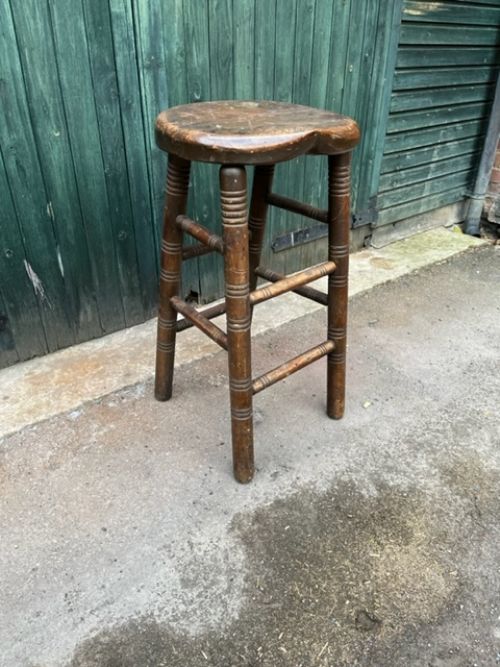
Vintage Pub Counter
A vintage pub counter grounds a room with undeniable presence, offering substantial timber work and authentic character honed by decades of daily hospitality.
Vintage Pub Counter
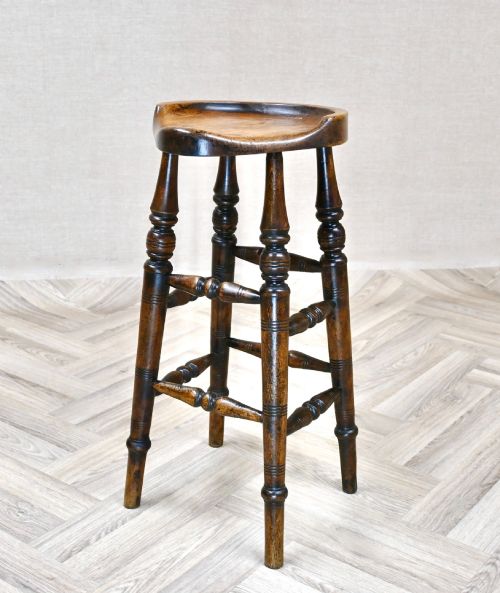
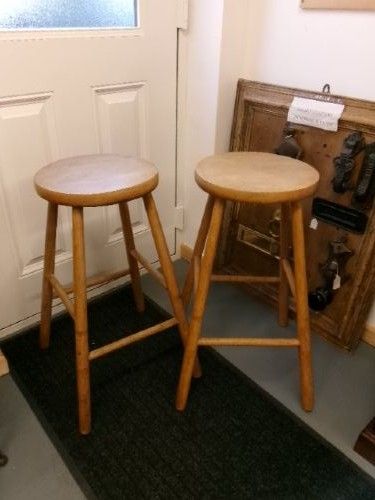
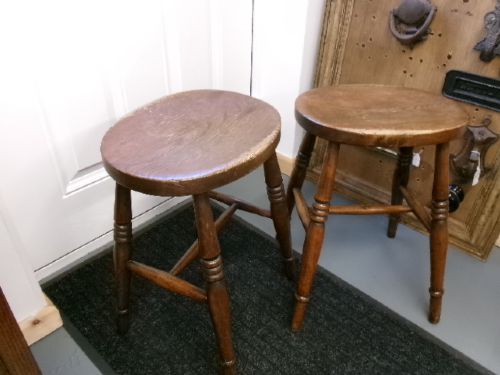
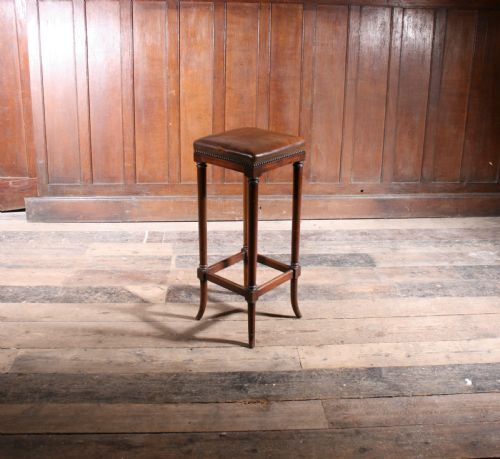
A vintage pub counter encompasses substantial architectural bars alongside the seating and furnishings that populated historic drinking establishments. When searching for a vintage pub counter, buyers encounter large Victorian mahogany front and back bar installations as well as the tall stools designed to accompany them.
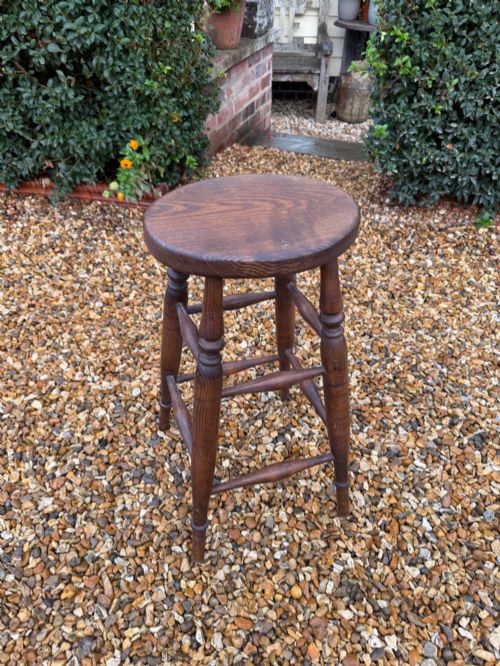
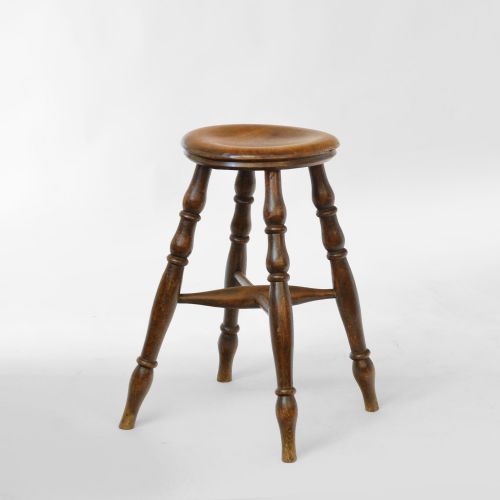
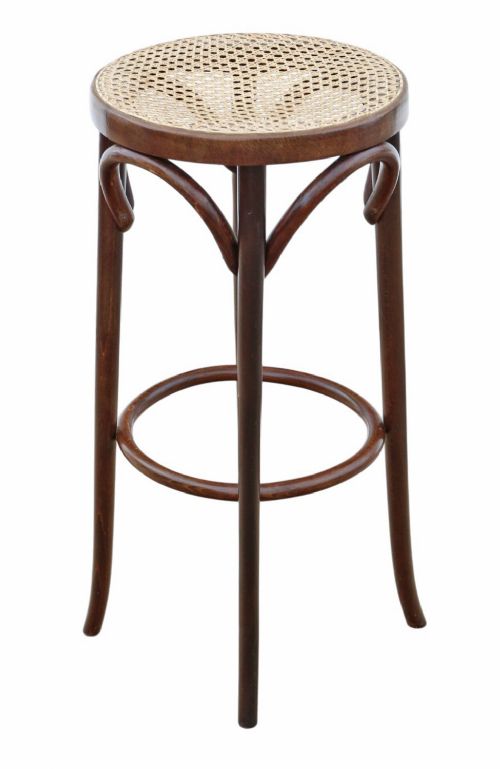
The seating forms most commonly met on this page include elm, sycamore, and beech tavern stools featuring dished tops, saddle seats, or bentwood construction. These pieces bridge domestic utility and commercial craft, originating from periods spanning the late nineteenth century through the mid-twentieth century.
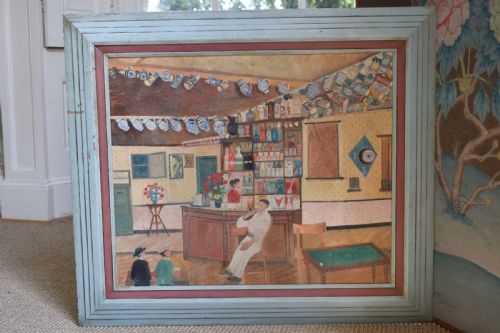
Alongside the physical furniture, related artistic depictions such as oil on canvas bar interior scene paintings occasionally appear to complete the setting. Each item reflects the robust construction necessary for public house life, carrying the patination of heavy use.
Assessing Quality
The distinction between ordinary utility items and superior examples rests in the integrity of the timber and the depth of the patination. Heavy gauge woods and substantial casting on iron bases indicate a higher tier of commercial manufacture.
Proportion and retention of original surface finish dictate the desirability of each piece, whether dealing with a turned clerk stool or an extensive mahogany bar. Superior examples display honest wear that enhances the structural grain rather than obscuring it.
Vintage Pub Counter Retail Price Guide 2026
Typical asking prices for vintage pub counter among the pieces listed under this phrase on Sellingantiques today, from the lower quarter to the upper quarter. They describe what is for sale here now, not the wider market.
The inventory bridges functional bar furniture, seating variants, and visual art depicting nineteenth-century tavern interiors.
The Vintage Pub Counter Glossary
- Bentwood
- Wood that has been heated using steam and bent into curved shapes, commonly seen in tavern seating from the early twentieth century.
- Dished top
- A seat surface carved into a shallow concave depression to provide comfort for the sitter without upholstery.
- Clerk stool
- A tall wooden stool with turned legs and a narrow seat, historically utilised by writers and administrative workers before migrating to counter settings.
- Saddle seat
- A wooden stool top shaped with raised contours mimicking an equestrian saddle for ergonomic support.
- Patina
- The surface sheen and colour developed on timber and metal through years of handling, cleaning, and exposure to the environment.
Vintage Pub Counter: Frequently Asked Questions
What fits in a home bar?
Compact tavern stools and single high seating units easily integrate into domestic kitchen islands and small entertaining spaces without overwhelming the room.
Larger architectural bar installations require designated square footage and appropriate ceiling height to accommodate both front counters and back bar shelving.
How do I clean old wood?
Gentle dusting with a soft, dry cloth preserves the historical surface and accumulated character of antique timber without stripping natural oils.
Periodic application of appropriate wax protects the grain while maintaining the dry finish typical of hardworking pub furniture.
Are cast-iron bases original?
Industrial stools frequently combine heavy cast-iron mechanical components with wooden seats to ensure stability in commercial environments.
Examining the junctions and fixings reveals whether the metal and timber elements share a contemporaneous manufacturing origin.
How do I date these pieces?
Turned details, timber species selection, and construction methods offer primary clues for placing an item within the nineteenth or twentieth century.
Industrial markings and patent stamps cast into metal elements provide definitive chronological markers for workshop production.