




Vintage Pub Chair
These vintage pub chair selections offer genuine character and robust seating forged in elm, beech, and oak for traditional spaces.
Vintage Pub Chair
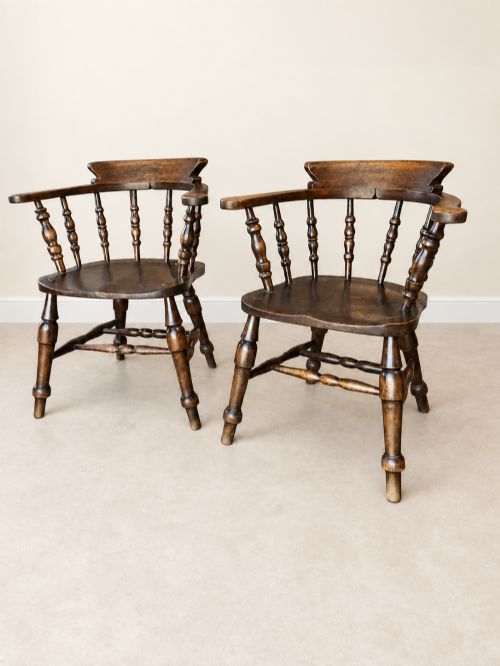
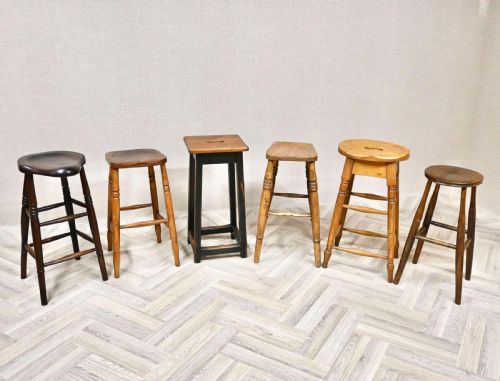
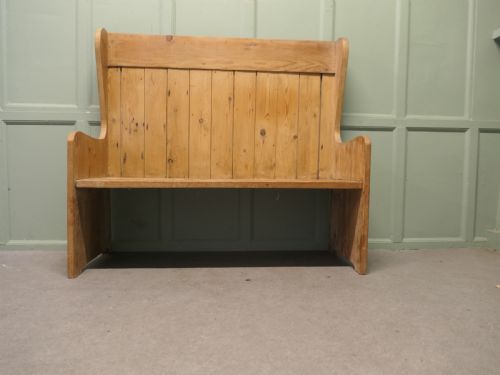
A vintage pub chair represents sturdy, utilitarian seating historically found in British taverns, inns, and country houses throughout the nineteenth century and into the Edwardian period. Buyers searching this phrase encounter robust forms designed for daily public use, ranging from low-backed smokers bows to tall bar stools and high-backed pine settles.
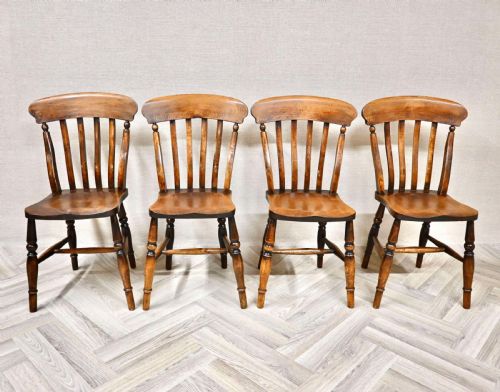
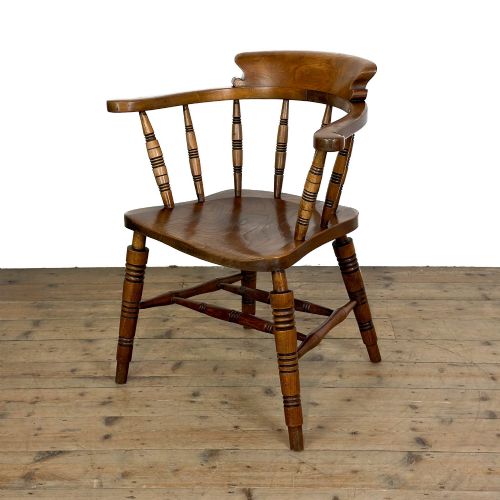
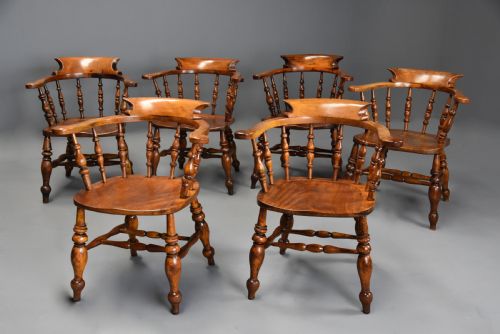
The most common versions met on this page are smokers bow armchairs, captain's chairs, and lathback kitchen Windsor chairs built from mixed timbers like elm, beech, and ash. These seating options span various eras including Victorian country and rustic farmhouse styles, providing practical and authentic character for modern dining rooms and kitchens.
Materials and construction methods
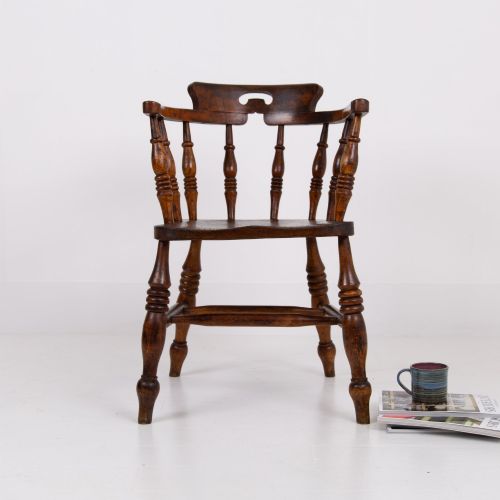
Makers built these pieces using durable native hardwoods, pairing sturdy elm or ash seats with turned beech spindles, legs, and steam-bent armbows. Joinery relied on traditional methods such as wedged through-tenons and pegging to withstand the heavy demands of commercial tavern and domestic kitchen environments.
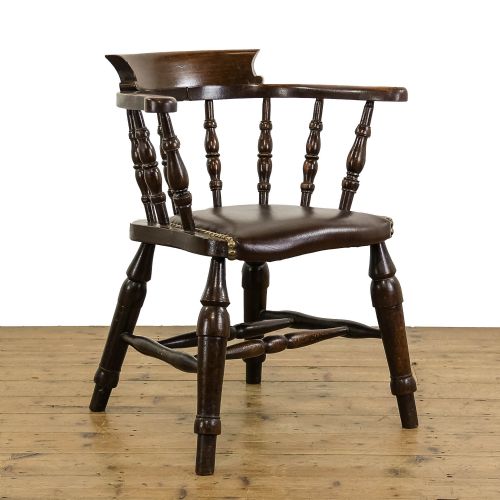
Certain examples incorporate added functional elements such as upholstered leather seats or brass details, while others showcase turned beech supports and bentwood framing characteristic of early twentieth-century production.
Distinctions in craftsmanship and timber
The distinction between standard utility seating and finer examples lies in the selection and figuring of the timber, particularly the choice of a substantial, well-sculpted solid elm seat paired with smoothly turned spindles. Heavier steam-bent backrails and balanced proportions indicate superior workshop execution.
Wear patterns and patination accrued from decades of daily tavern use also define the character of individual pieces, where untouched original surfaces distinguish genuine utilitarian history from later restorations.
The Vintage Pub Chair Glossary
- Smoker's bow
- A low-backed Windsor-style armchair with a continuous curved armbow, commonly found in nineteenth-century public houses and smoking rooms.
- Lathback
- A chair back featuring vertical wooden slats or laths set between the seat and the top rail, typical of traditional kitchen and farmhouse seating.
- Settle
- A high-backed wooden bench with solid arms and often a storage box beneath the seat, designed to block drafts in fireside pub settings.
- Bentwood
- Wood softened by steam and bent into curved structural forms, utilised extensively in the production of nineteenth and twentieth-century chairs.
Vintage Pub Chair: Frequently Asked Questions
What is a smoker's bow chair?
A smoker's bow is a sturdy armchair featuring a low, continuous curved wooden backrest and turned spindles above a solid timber seat. These chairs were designed for comfort in public houses and taverns.
They offer a compact seating option that works well around modern dining tables or as standalone desk chairs.
How do I care for antique wooden chairs?
Maintain antique wooden seating by keeping them away from direct heat sources and sudden temperature fluctuations that can dry out the timber. Regular dusting and occasional application of appropriate wax help preserve the natural patination.
Avoid using harsh chemical cleaning agents on historic elm and beech surfaces.
What timbers were used for these chairs?
Nineteenth-century makers primarily utilised native British hardwoods, combining durable elm for comfortable sculpted seats with strong beech and ash for turned legs and spindles. Oak and pine also appear in heavier settles and benches.
These mixed-timber constructions provided the necessary strength for heavy commercial tavern use.
How do I identify a Victorian pub chair?
Victorian examples display traditional joinery techniques, such as pegged joints and hand-turned spindles, constructed from solid timbers like elm and beech. Their forms reflect practical utility rather than mass production.
Examining the wear patination and underseat construction helps confirm the nineteenth-century origins of these pieces.