


Vintage Powder Jar
A vintage powder jar brings the elegance of the dressing table back to daily life, holding cosmetics or small trinkets within glass, porcelain, and silver.
Vintage Powder Jar
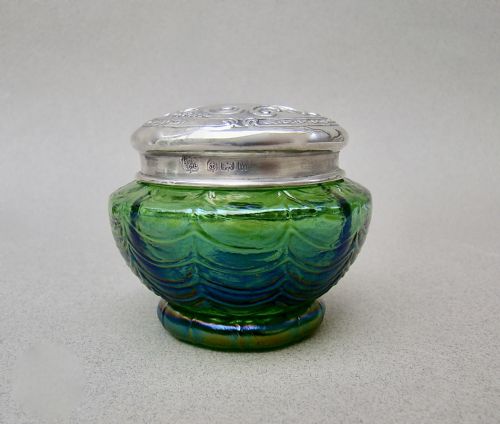
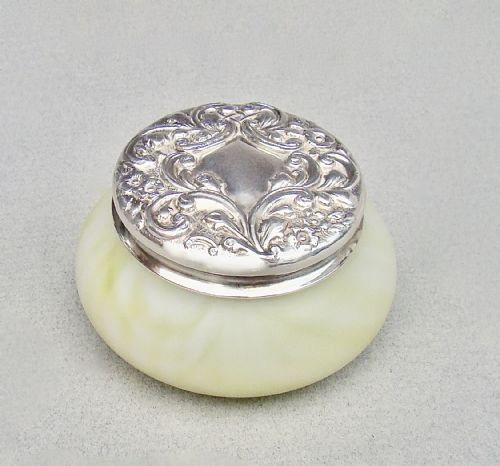
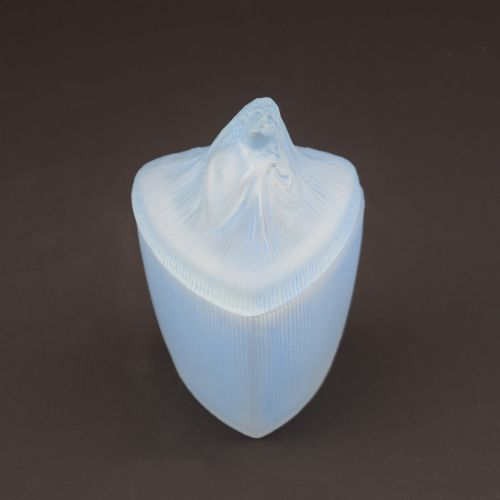
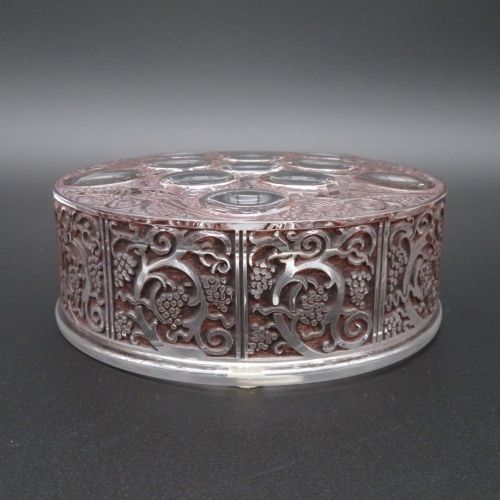
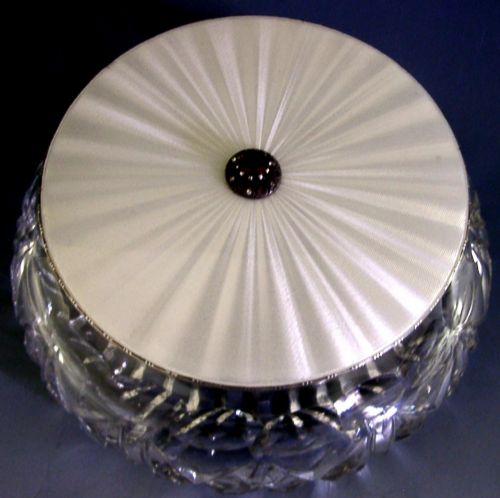
When you search for a vintage powder jar, you encounter a specialised dressing table accessory designed to hold loose face powder, puffs, or cosmetic creams. These pieces span from the late Victorian and Edwardian eras through the height of the Art Deco period, capturing changing domestic habits of the vanity room. The most common examples take the form of ceramic bowls topped with figural half dolls, or glass vessels fitted with silver and enamel lids.
Makers across Britain, France, Germany, and Austria produced these containers in varied shapes, including circular bowls, lidded boxes, and dedicated powder puff stands. Styles shift from ornate floral Edwardian glass to geometric Art Deco ceramics and stylised flapper figures. Each object served a practical role on a dressing table before becoming a display item for modern collectors.
Materials and Construction
The body of a vintage powder jar typically relies on moulded cut glass, overlaid glass, or glazed ceramic, shaped to contain cosmetics securely. Glass vessels often incorporate heavy cutting or coloured tints such as cranberry, blue, or amethyst. Ceramic versions employ porcelain or earthenware moulded into bowls and figural lids.
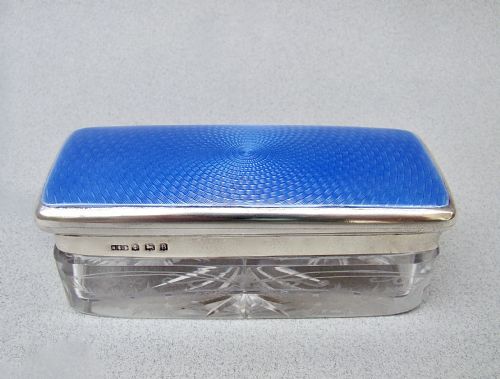
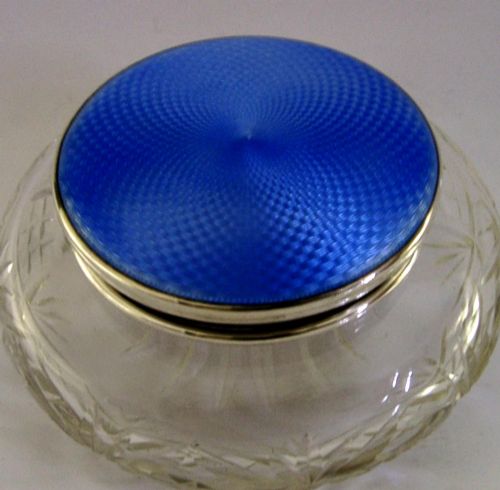
Metalwork and enamel provide the finishing elements, with sterling silver used for hinged mounts, rims, and lids. Artisans applied guilloche enamel in blue, pink, or white over engine-turned silver bases to create patterned decorative panels. Makers also utilised brass or other base metals for specific mounts depending on the workshop origin.
Some ceramic powder jars feature whimsical jester figures and flapper girls peering out from beneath powder puffs.
Factors of Quality
For metal and enamel components, the precision of the guilloche pattern beneath translucent enamel marks the upper tier of craftsmanship. Sterling silver mounts that fit tightly and bear clear assay hallmarks demonstrate superior manufacturing care compared to unmarked or loose fittings.
A. J. Pepper & Co·Henry Clifford Davis·A. Bromet & Co·Rene Lalique·Posen of Frankfurt·Fasold & Stuach·Limoges
The Vintage Powder Jar Glossary
- Guilloche enamel
- A decorative technique where transparent enamel is laid over engine-turned metalwork. This creates a repeating geometric wave or ray pattern beneath the coloured surface.
- Half doll
- A ceramic or porcelain torso without legs, manufactured extensively in Germany and Austria. These figures served as decorative lids for powder bowls and trinket boxes.
- Satin glass
- Glass treated with an acid-finish to create a velvety, soft-sheen texture. It appears frequently in Edwardian dressing table wares.
- Sterling silver
- A silver alloy containing 92.5 percent pure silver by mass. It forms the lids and mounts on many glass and porcelain dressing table containers.
- Trinket box
- A small lidded container used for storing jewellery or pins. These share materials and construction methods with powder jars.
Vintage Powder Jar: Frequently Asked Questions
What is a vintage powder jar used for?
These jars originally held loose face powder and cosmetic puffs on a Victorian or Art Deco dressing table. Today, they function primarily as decorative containers for small items or as display pieces.
Their compact size makes them suitable for holding rings, small jewellery, or pins on a bedside table or mantelpiece.
How do I identify an Art Deco powder jar?
Art Deco examples usually date from the 1920s and 1930s, featuring geometric patterns, bold colours, and stylised ceramic figures. You will often find flapper girl half dolls or streamlined glass designs from this period.
Maker marks, registration numbers, and silver hallmarks can help narrow down the exact decade of manufacture.
Are these jars made of silver?
Many lidded jars combine glass or ceramic bodies with sterling silver mounts and covers. British examples frequently carry silver hallmarks indicating the assay office and year of production.
Some pieces utilise unplated base metals or feature enamel applied directly onto silver surfaces.
Where were these powder jars manufactured?
Production was widespread across Europe, with significant numbers originating in British workshops in Birmingham, as well as factories in France, Germany, and Austria. Limoges and various German porcelain potteries produced notable ceramic bowls.
French makers contributed moulded crystal and specialised glass vanity sets during the same eras.