



Vintage Pottery Plaque
These vintage pottery plaque examples bring decorative painted ceramic wall art, bin labels and tiles straight from the nineteenth and twentieth centuries into your home.
Vintage Pottery Plaque
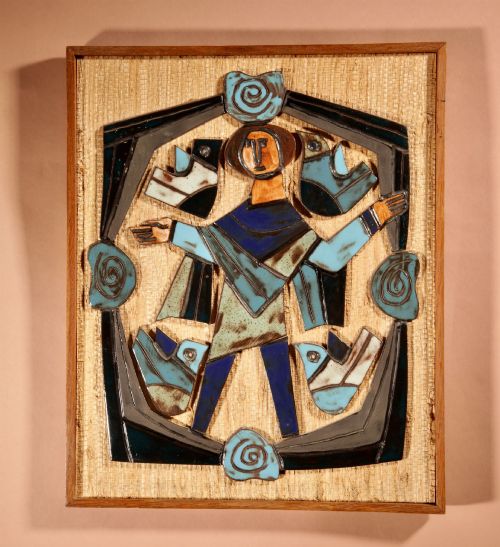
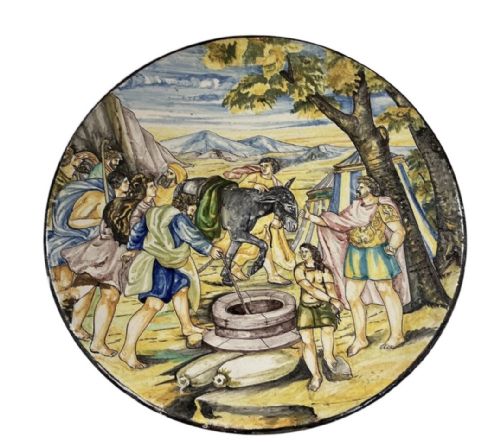
A vintage pottery plaque covers a wide range of flat and relief ceramic wall art originating from nineteenth and twentieth century production. When you search for a vintage pottery plaque, you encounter everything from French faience scenes and Italian majolica chargers to salesman sample jugs and framed designer tiles.
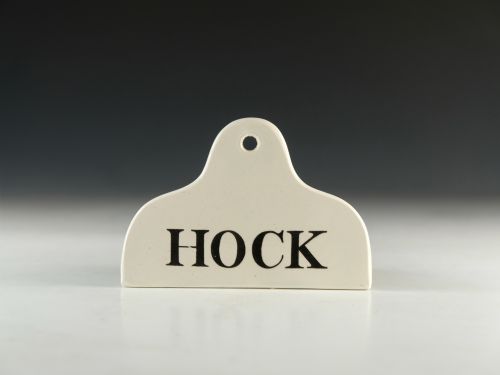
The selections span distinct periods including Victorian, Edwardian, Art Nouveau, and Art Deco eras. You will find items such as wine cellar bin labels for hock or sherry, pictorial tiles featuring birds and cheetahs, and hand-painted wall chargers.
Origins vary across British, French, and Italian workshops, giving collectors diverse forms of ceramic wall ornamentation. Earthenware and creamware form the structural foundation of these decorative wall pieces.
How they were made
Potters shaped these pieces using earthenware, creamware, and ceramic bodies before applying tin glaze or standard glaze formulations. Many examples incorporate hand-painted details directly onto the wet or fired glaze surfaces.
Makers utilised specialised framing, wooden supports, and mounting elements to transform functional wall tiles and bin labels into decorative display items. The integration of Renaissance Revival, French Rococo, and Italian majolica techniques dictated the final aesthetic of each charger or plaque.
Vintage Pottery Plaque Retail Price Guide 2026
Typical asking prices for vintage pottery plaque among the pieces listed under this phrase on Sellingantiques today, from the lower quarter to the upper quarter. They describe what is for sale here now, not the wider market.
Some nineteenth century cellars took their wine organisation very seriously indeed, employing hand-painted ceramic bin labels for hock, sherry, and marsala.
What varies in quality
Quality rests primarily in the precision of the hand-painting and the clarity of the glaze work across each ceramic surface. Pieces designed by notable artists or produced by established potteries display superior decorative depth.
The complexity of the style, whether an intricate Italian majolica charger or a detailed French faience narrative scene, elevates the piece above standard utilitarian bin labels.
Minton Hollins·Longwy·Sherwin and Cotton·Bassano·Gio Ponti·Richard Ginori
The Vintage Pottery Plaque Glossary
- Majolica
- Tin-glazed earthenware featuring colourful opaque glazes often associated with Italian Renaissance revival styles. This technique creates a smooth, glossy surface ideal for pictorial wall chargers.
- Faience
- European tin-glazed pottery, particularly French wares that often depict historical or narrative scenes. It provides a crisp white background for detailed hand-painted artwork.
- Creamware
- A refined earthenware developed in the eighteenth century with a pale yellowish straw colour. It serves as a smooth canvas for transfer-printed or hand-painted wall art.
- Charger
- A large decorative plate intended for display on a wall or sideboard rather than for dining use. These large pottery surfaces often showcase elaborate painted designs.
- Bin label
- A small ceramic plaque used in wine cellars to identify specific vintages and contents. They are typically cast in earthenware with clear lettering.
Vintage Pottery Plaque: Frequently Asked Questions
What is the difference between a charger and a plaque?
A charger is fundamentally a large decorative plate form adapted for wall display, whereas a plaque is shaped specifically as a flat or relief wall hanging from its creation. Both serve primarily decorative functions in interior settings.
Chargers often feature circular painted borders, while plaques can take rectangular or custom moulded shapes.
Can I clean vintage glazed earthenware safely?
Dust your ceramic plaques gently with a dry, soft cloth to remove everyday surface particles without disturbing the glaze. Avoid harsh chemical cleaners or submerging antique pieces in water.
Moisture can seep into unglazed portions of older earthenware or damage delicate wooden frames surrounding vintage tiles.
How do I identify the period of a ceramic tile?
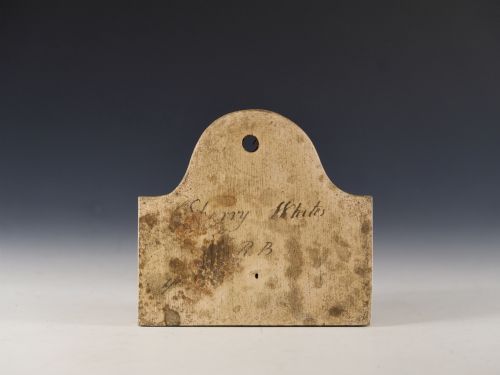
Examine the reverse side of the tile or plaque for maker marks, impressed stamps, and structural characteristics typical of Victorian or Art Deco production. Stylistic cues such as Art Nouveau motifs or Renaissance Revival painting also provide clear dating evidence.
Comparing the glaze texture and clay body to documented pieces from the same pottery helps confirm the exact era of manufacture.