






Vintage Pottery Lamp
These vintage pottery lamp examples transform traditional ceramic vessels into practical interior lighting.
Vintage Pottery Lamp
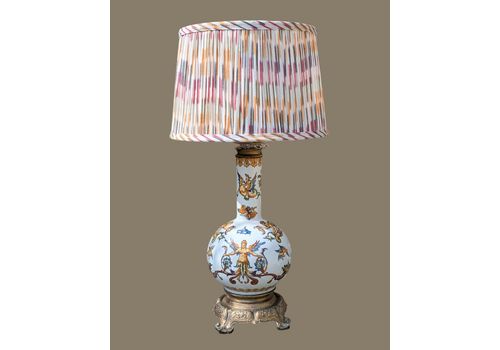
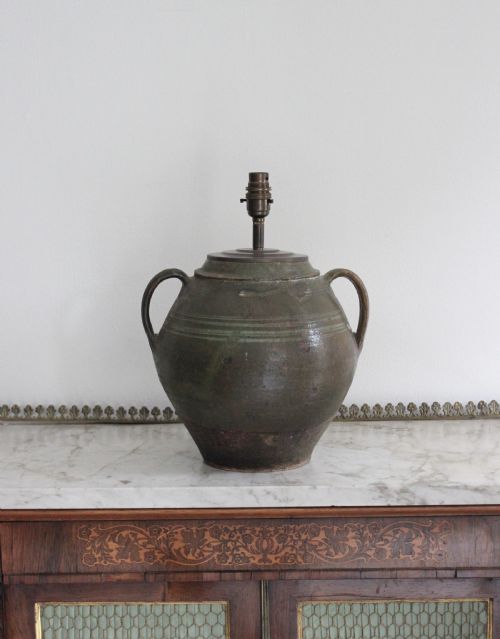
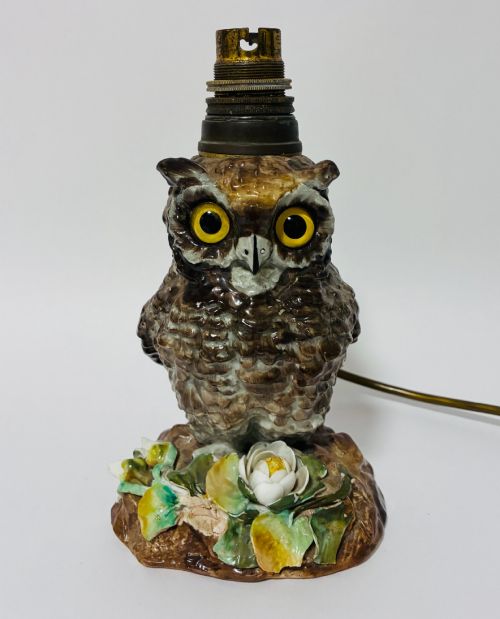
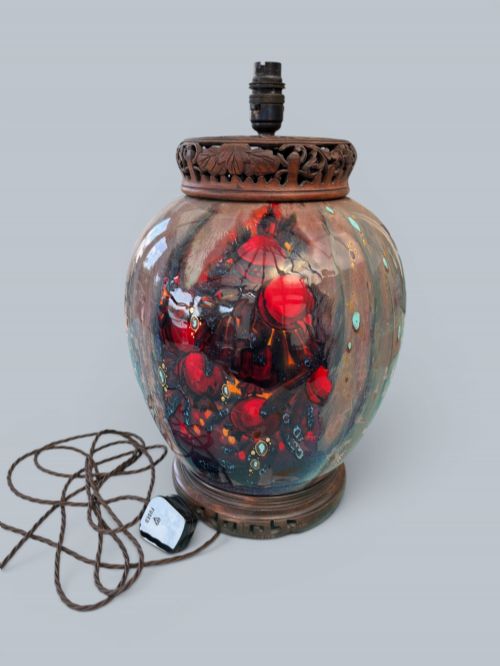
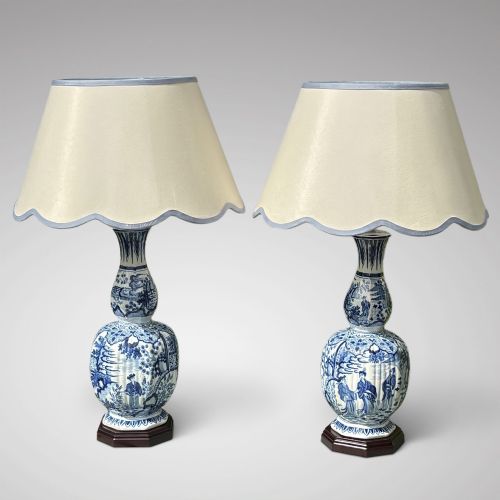
A vintage pottery lamp repurposes older ceramic vessels, such as vases, ginger jars, and tobacco jars, into functional lighting. These pieces span multiple decades and centuries, drawing from traditions like Dutch Delftware, Japanese Satsuma, and Art Deco ceramics.
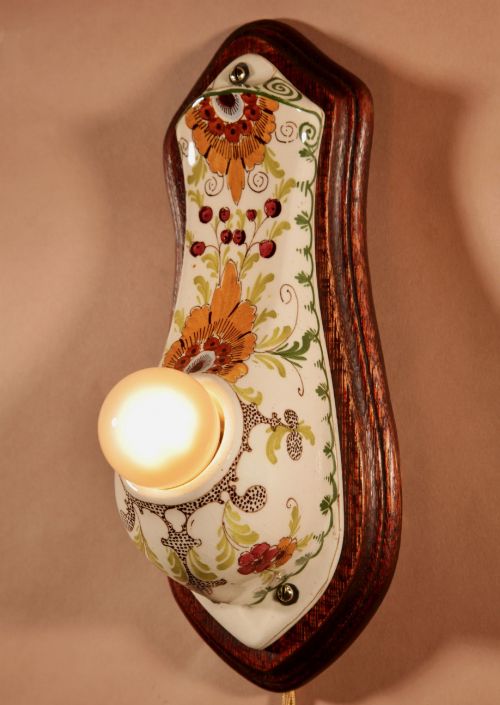
The selection ranges from nineteenth-century European majolica to twentieth-century Denby ware and Moorcroft pottery. Each vintage pottery lamp retains the distinct aesthetic of its originating period and ceramic tradition.
How they were made
Maker workshops shaped these bodies from earthenware, porcelain, and ceramic clays before applying detailed glazes and hand-painted motifs. Many items began as decorative vases or jars before later conversion into lighting fixtures.
Metal components such as brass fittings integrate with the ceramic bodies to support modern electrical fixtures. Enamel and gilt highlights frequently accent the glazed surfaces across different regional traditions.
Vintage Pottery Lamp Retail Price Guide 2026
Typical asking prices for vintage pottery lamp among the pieces listed under this phrase on Sellingantiques today, from the lower quarter to the upper quarter. They describe what is for sale here now, not the wider market.
Listings feature ceramic and porcelain materials spanning the Victorian era through the Art Deco period.
What varies in quality
The sophistication of the ceramic body and the precision of the hand-painted decoration distinguish finer examples from simpler production. Master potters and recognised factories achieved superior depth in their cobalt blue, celadon, and polychrome glazes.
The integrity of the original vessel conversion also influences the overall standard of the piece. Lamps that preserve the character of the base vase without compromising its structural form demonstrate careful craftsmanship.
Moorcroft Art Pottery·Royal Doulton·Denby Ware
The Vintage Pottery Lamp Glossary
- Majolica
- Tin-glazed earthenware decorated with opaque colours over a white background. This technique appears across various European pottery traditions.
- Celadon
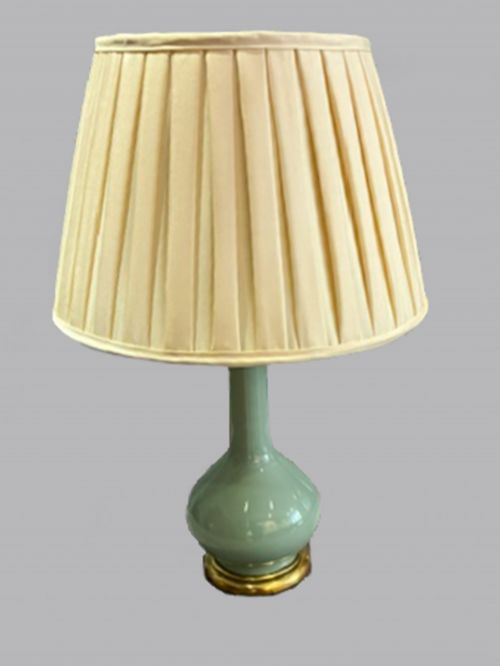
- A green jade-like ceramic glaze originating in East Asia. It covers stoneware and porcelain bodies with subtle tonal variations.
- Earthenware
- Porous pottery fired at lower temperatures than stoneware or porcelain. It serves as the primary body for many traditional lamp bases.
- Delftware
- Tin-glazed earthenware associated with the Netherlands, typically featuring blue and white painted designs. Early examples often utilise botanical or figural motifs.
Vintage Pottery Lamp: Frequently Asked Questions
Are these lamps converted from old vases?
Many examples originate as historical vases, ginger jars, or tobacco jars that were subsequently adapted to hold electrical components.
This conversion process transforms decorative ceramic vessels into functional lighting for modern interiors while preserving their original craftsmanship.
How do I identify the period of a ceramic lamp?
Dating relies on stylistic markers, glaze characteristics, and the specific ceramic traditions associated with the base vessel.
Victorian, Art Deco, and earlier nineteenth-century periods each display distinct decorative motifs and manufacturing techniques.
Can I use standard lampshades with these bases?
Most lamp bases feature standard fittings that accommodate a wide variety of contemporary or period-style fabric shades.
Proportion remains the primary consideration to ensure the shade complements the scale and weight of the ceramic body.
What materials are used in these lamp bases?
The primary bodies consist of ceramic, earthenware, and porcelain combined with brass fittings and occasionally wood or enamel elements.
Glazed finishes protect the clay bodies and define the visual appearance of each piece.